Argentina Designates Jalisco New Generation Cartel as a Terrorist Group
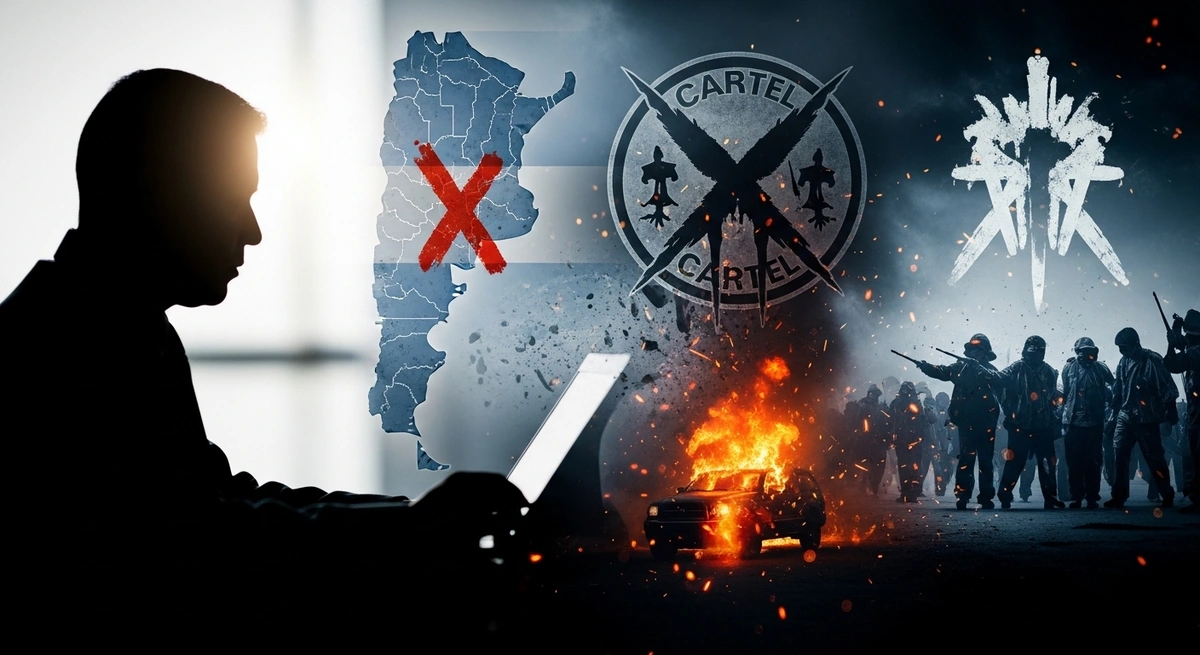
Milei government says the move will tighten financial sanctions, restrict operations, and deepen cross border security cooperation.
Argentina has formally designated Mexico’s Jalisco New Generation Cartel, known as CJNG, as a terrorist organization, in a move that places Buenos Aires in line with Washington’s harder regional security approach. The announcement came on March 26 in an official statement from President Javier Milei’s office, which said the measure was based on reports linking the cartel to transnational criminal activity and to other groups already treated as terrorist entities.
The designation places CJNG in Argentina’s public registry of persons and entities linked to acts of terrorism and its financing, known as RePET. Under that framework, authorities gain wider room to apply financial sanctions and operational restrictions designed to disrupt the group’s ability to function and to keep the Argentine financial system from being used for illicit activity. The government also said the step would strengthen security and justice cooperation with countries that have already taken similar action.
CJNG is widely regarded as one of Mexico’s most powerful and violent criminal organizations. Argentine authorities said the cartel emerged in 2010 after a split from the Sinaloa Cartel and expanded across dozens of countries, including into South America. Major international reporting has also linked the group to fentanyl trafficking, extortion, and attacks on Mexican security forces.
The decision also carries regional political weight. The United States designated CJNG and several other Latin American criminal networks as foreign terrorist organizations in February 2025. Canada announced similar terrorist listings the same month. Argentina is now among the first countries in Latin America to apply the same label to CJNG, reinforcing President Milei’s security alignment with the United States.
Argentina’s statement said the move was coordinated across the foreign ministry, security ministry, justice ministry, and state intelligence structures. The president’s office also placed CJNG in the same broad counterterrorism framework that Milei has already used for groups such as Hamas and Iran’s Quds Force. The government framed the step as part of a wider campaign against organized crime and terrorism, saying it will continue to identify and confront actors it sees as threats to national and regional security.
The move comes as the debate over whether cartels should be treated as terrorist organizations continues across the Americas. Supporters of the label argue it gives governments stronger legal and financial tools to freeze assets, widen intelligence cooperation, and target networks that operate across borders. Critics in Mexico have long resisted the term, arguing that cartels are profit driven criminal groups rather than movements with political aims, and warning that such classifications can open the door to broader foreign intervention and new diplomatic friction.
Mexico has not embraced the same legal classification for its domestic cartels. Reporting after Argentina’s announcement said Mexican officials had not immediately commented, while President Claudia Sheinbaum has previously resisted the use of terrorist labels for criminal groups on the grounds that their core motive is economic gain, not political ideology.
The latest step from Buenos Aires underlines how security policy in the region is shifting. By moving CJNG into its terrorism registry, Argentina has signaled that it is prepared to use counterterrorism tools, not only traditional anti narcotics laws, against one of the hemisphere’s most feared criminal networks.
Related News




You may like



Tom Holland Says Marvel Has a Plan for the Next Spider-Man
August 1, 2026
Elected News
-
Bangladesh Seeks UN Women Support on Digital Harassment and Women’s Empowerment
-
Bangladesh, Australia Discuss Human Trafficking, Irregular Migration and Rohingya Crisis
-
Bangladesh Plans Internet-Free Access to Mobile Banking and Financial Apps
-
DU to Open Undergraduate Admission Applications on 11 November, Tests Begin 5 December


