Around 20 Lakh Gazans Still Face Hunger Crisis
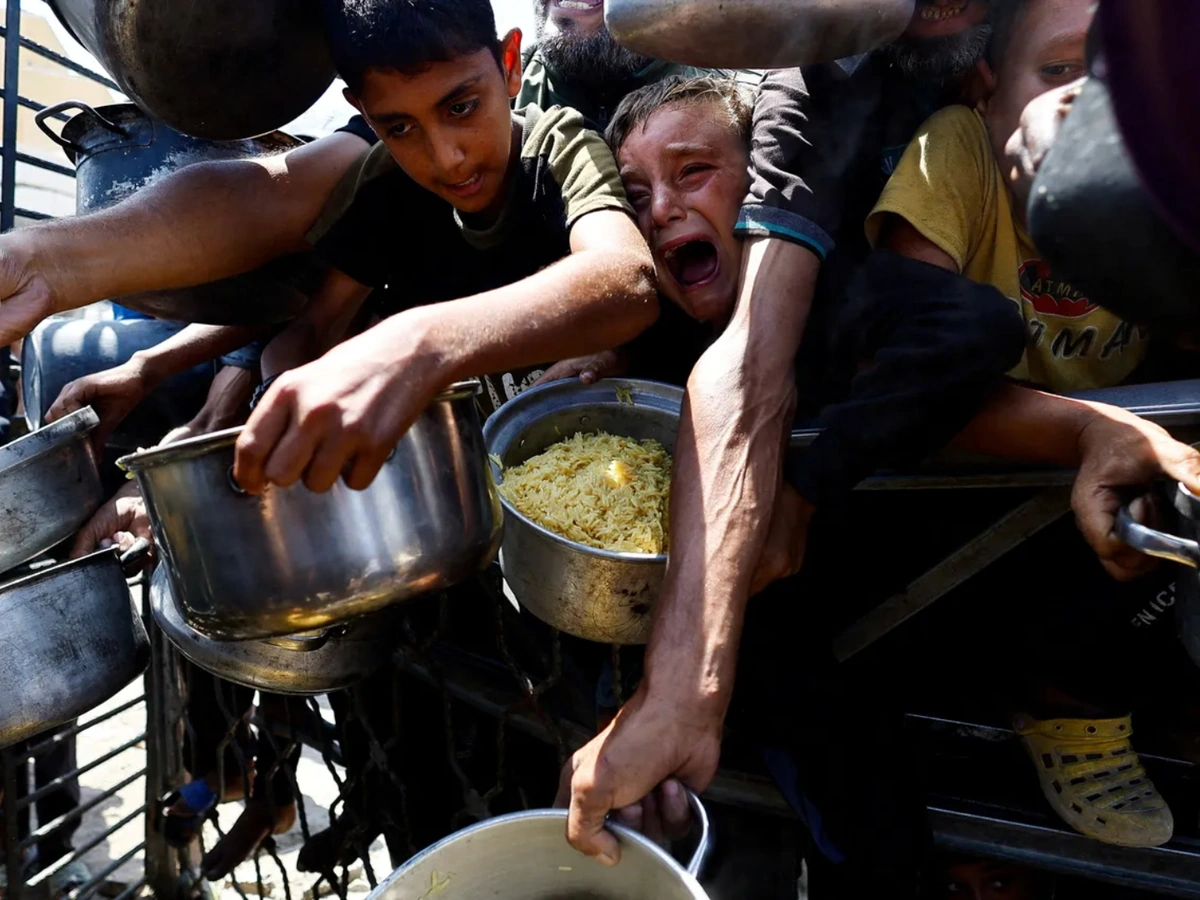
Although the ceasefire, proposed peace initiatives, and improved delivery of supplies have helped reduce the most extreme threats, the IPC warned that Gaza’s humanitarian outlook is still dire.
Food insecurity in Gaza has eased slightly since the ceasefire paused Israel’s offensive on the besieged territory, but the situation overall remains extremely fragile, according to new data released by the Integrated Food Security Phase Classification (IPC) yesterday.
The IPC—an international monitoring body working with the United Nations—reported that between 16 October and 30 November 2025, about 1.6 million people, or 77% of the population assessed, suffered from serious levels of acute food insecurity. The conditions ranged from IPC Phase 3 (Crisis) to the most critical Phase 5 (Catastrophe).
Among them were over 500,000 individuals at IPC Phase 4 (Emergency) and more than 100,000 facing Phase 5 conditions, which represent the highest risk category.
Although the ceasefire, proposed peace initiatives, and improved delivery of supplies have helped reduce the most extreme threats, the IPC warned that Gaza’s humanitarian outlook is still dire.
From 1 December 2025 to 15 April 2026, an estimated 1.6 million people are projected to remain in “Crisis or worse” levels of food insecurity. This includes roughly 571,000 people expected to face Emergency conditions and about 1,900 people likely to remain in Catastrophe. The reduction in extreme cases does not yet signal a return to normal living conditions.
The organisation cautioned that in a worst-case scenario—such as renewed conflict or disruption of aid and commercial supplies—the entire Gaza Strip could fall into famine by mid-April 2026.
Child and maternal nutrition show slight progress, but remain worrying. Nearly 101,000 children aged six to 59 months may suffer acute malnutrition by October 2026, including over 31,000 severe cases. During the same period, around 37,000 pregnant and breastfeeding women are also expected to experience acute malnutrition and require urgent care.
The IPC stressed that continued humanitarian access, stable conditions, and sustained aid flows are crucial to preventing another slide toward famine and further loss of life in Gaza.
Related News
You may like




Tom Holland Says Marvel Has a Plan for the Next Spider-Man
August 1, 2026
Elected News
-
Bangladesh Seeks UN Women Support on Digital Harassment and Women’s Empowerment
-

Bangladesh, Australia Discuss Human Trafficking, Irregular Migration and Rohingya Crisis
-

Bangladesh Plans Internet-Free Access to Mobile Banking and Financial Apps
-

DU to Open Undergraduate Admission Applications on 11 November, Tests Begin 5 December


