Ceasefire Under Pressure on Day 41 as Fighting Continues Across Middle East
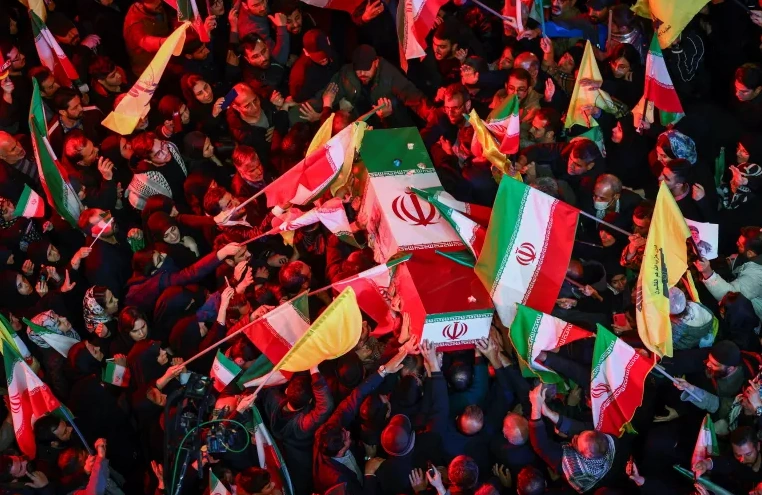
Lebanon has declared a national day of mourning after a wave of Israeli air strikes killed at least 254 people and injured more than 1,100 in a single day, marking one of the deadliest escalations since the start of the regional war.
Prime Minister Nawaf Salam said the government is mobilising all political and diplomatic channels to halt the attacks, as the country reels from widespread destruction and civilian casualties.
The strikes came despite a recently announced ceasefire between Iran and the United States, raising fresh concerns about the scope and durability of the truce. Israeli Prime Minister Benjamin Netanyahu stated that Lebanon is not part of the agreement, a position echoed by US Vice President JD Vance, who confirmed that no guarantees were made regarding a halt in hostilities there.
However, Shehbaz Sharif, who helped mediate the ceasefire, indicated that the deal was intended to include a broader pause, including Lebanon. Iran’s Foreign Minister Abbas Araghchi insisted the terms were clear, warning that continued attacks through Israel risk undermining the entire agreement.
In Tehran, President Masoud Pezeshkian said a halt to Israeli operations in Lebanon is a key condition for any lasting peace. Meanwhile, Iran’s parliament speaker Mohammad Bagher Ghalibaf accused the United States of failing to align with Tehran’s proposed ceasefire framework, citing ongoing attacks and disputes over nuclear policy.
Diplomatic efforts are intensifying ahead of planned talks in Pakistan, where JD Vance is expected to lead the US delegation. The negotiations aim to establish a more comprehensive agreement, though mistrust remains high on both sides.
International reaction has been swift. The United Nations human rights chief condemned the scale of the violence in Lebanon as “horrific”, while the International Committee of the Red Cross warned of a worsening humanitarian crisis. French President Emmanuel Macron has urged all parties to include Lebanon in the ceasefire framework to prevent further escalation.
Across the Gulf, the conflict continues to ripple. Several countries reported damage from Iranian retaliatory strikes, including attacks on energy infrastructure and missile interceptions. Governments in the region have called for clarity on the ceasefire terms, warning that ambiguity risks prolonging instability.
In the United States, confusion persists over the details of the agreement. Officials have offered differing accounts of whether Iran’s reported 10-point proposal forms the basis of negotiations, while protests have broken out in New York demanding an end to the war and protection for civilians.
Despite the ceasefire, Netanyahu signalled that Israel remains prepared to resume military action if necessary, stating that key objectives have yet to be achieved.
The latest escalation in Lebanon has underscored the fragility of the current truce and heightened fears of a broader regional conflict. Analysts warn that without a clear and inclusive agreement, the ceasefire risks collapsing under continued violence and competing strategic interests.
Related News





You may like




Tom Holland Says Marvel Has a Plan for the Next Spider-Man
August 1, 2026
Elected News
-
Bangladesh Seeks UN Women Support on Digital Harassment and Women’s Empowerment
-
Bangladesh, Australia Discuss Human Trafficking, Irregular Migration and Rohingya Crisis
-
Bangladesh Plans Internet-Free Access to Mobile Banking and Financial Apps
-
DU to Open Undergraduate Admission Applications on 11 November, Tests Begin 5 December


