21 or 22 carat gold: How to tell real from fake
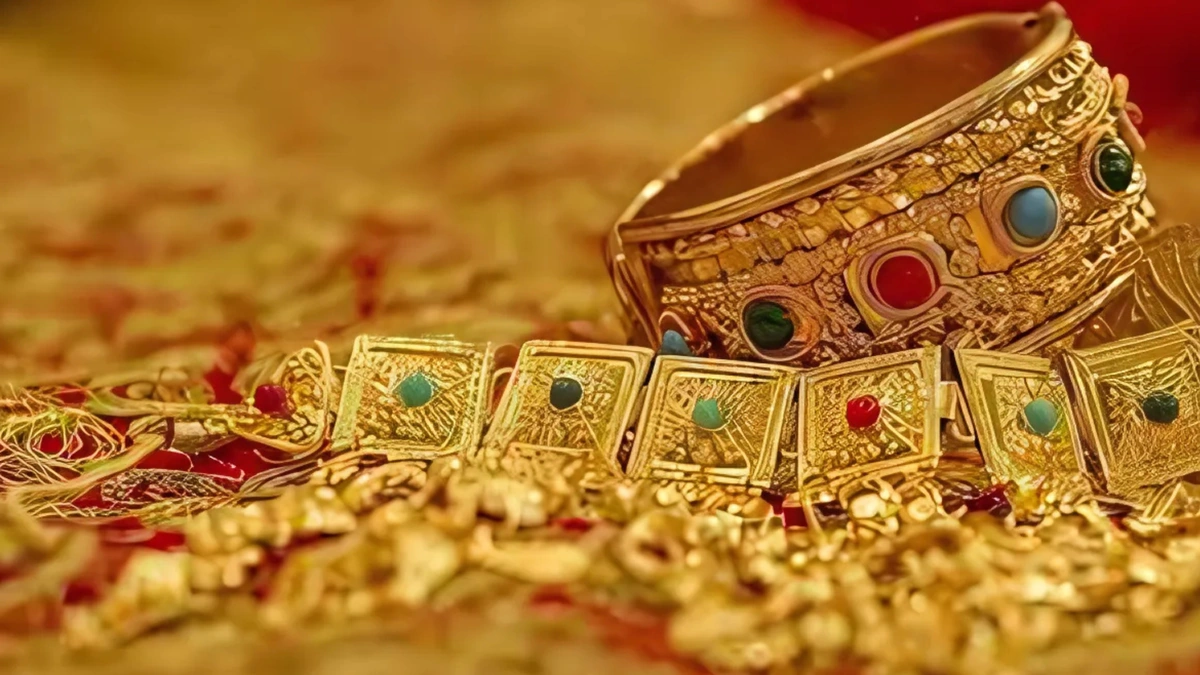
Gold jewelry is especially popular among women. Compared to other metals, gold holds much higher value and appeal for women. For centuries, gold has been used in ornamentation. On one hand, women use it for adornment, while on the other, they often consider the amount of gold jewelry they own as a part of their social status. Some even view buying gold jewelry as a form of investment, while others regard gold as a potential risk.
The global price of gold has been steadily rising. Over the past year, gold prices have increased by nearly 40–50% or more. Factors such as market conditions, foreign currency fluctuations, the international gold market, import costs, and several other reasons are driving this increase.
Many people are now buying gold, but they often struggle to decide which carat to choose. In particular, 21-carat and 22-carat gold often cause confusion. Prices vary slightly between them, but both are real and suitable for use. The difference lies in the proportion of other metals mixed with the gold.
Gold purity is measured in carats, with 24-carat gold being 100% pure. Pure gold is very soft, which makes jewelry made entirely from it impractical for everyday use.
Both 21-carat and 22-carat gold jewelry are made from real gold, but they differ in purity:
-
21-carat gold contains 87.5% pure gold, with the remaining 12.5% consisting of other metals such as copper or silver. This slightly lowers its purity compared to 22-carat gold.
-
22-carat gold contains 91.6% pure gold and 8.4% other metals. This higher purity gives it a richer, deeper yellow color and a softer, more malleable texture, making it highly desirable for jewelry.
The more gold in a piece of jewelry, the more valuable it becomes. However, the higher the purity, the softer the gold, increasing the risk of scratches and breakage. For this reason, 21-carat gold is often used for jewelry meant for everyday wear, while 22-carat gold is typically used for special occasions or jewelry that is worn occasionally. For daily use, 22-carat gold requires extra care.It is important to remember that 18-carat, 21-carat, and 22-carat gold are all valuable and can make beautiful jewelry. The choice ultimately depends on personal preference and the wearer’s specific needs.
How to identify real vs fake gold:
-
Check the hallmark/stamp
When buying 21-carat or 22-carat jewelry, look for hallmarks on the piece. You may see markings such as ‘22K’, ‘21K’, ‘916’, or ‘875’, where ‘K’ indicates carat and ‘916’ or ‘875’ denotes millesimal fineness. Ensure the stamp is clear and well-engraved; blurred or crooked stamps may indicate counterfeit gold. -
Examine the color and appearance
Pure gold is usually deep yellow. If the color is unusually bright or pale, the piece may contain a higher mix of other metals. Hold the jewelry under light and check for uniformity; any discoloration or uneven tone could be a warning sign. -
Additional tips:
-
Buy from trusted and reputable stores.
-
Research the store and seller before purchase.
-
Look for certificates from recognized authorities or laboratories; a verified hallmark adds significant value.
-
Always remain cautious and vigilant when buying gold.
-
Magnet test
Gold is not attracted to magnets. If a strong magnet sticks to the jewelry, it is likely made of base metals rather than real gold. Note that some alloys may be slightly magnetic, so this test is not always 100% reliable. -
Weight and density test
Gold is dense and heavy for its size. You can test its density by immersion in water or using specialized equipment to measure mass relative to volume. Jewelry that fails these tests may not be genuine. -
Scratch test
Rub the gold lightly on an unglazed ceramic plate. Real gold will leave a golden streak, while fake gold will leave a black or gray mark. -
Acid/chemical test
This should be done only by professionals. A small scratch is made on a less visible part of the jewelry, and a special nitric acid is applied. If the gold discolors or washes away quickly, it is not pure. Never attempt this at home, as it can damage the jewelry.
Related News
You may like




Tom Holland Says Marvel Has a Plan for the Next Spider-Man
August 1, 2026
Elected News
-

Bangladesh Seeks UN Women Support on Digital Harassment and Women’s Empowerment
-

Bangladesh, Australia Discuss Human Trafficking, Irregular Migration and Rohingya Crisis
-

Bangladesh Plans Internet-Free Access to Mobile Banking and Financial Apps
-

DU to Open Undergraduate Admission Applications on 11 November, Tests Begin 5 December


