Baby formula prices soar, rising Tk 140–800 per can in six months
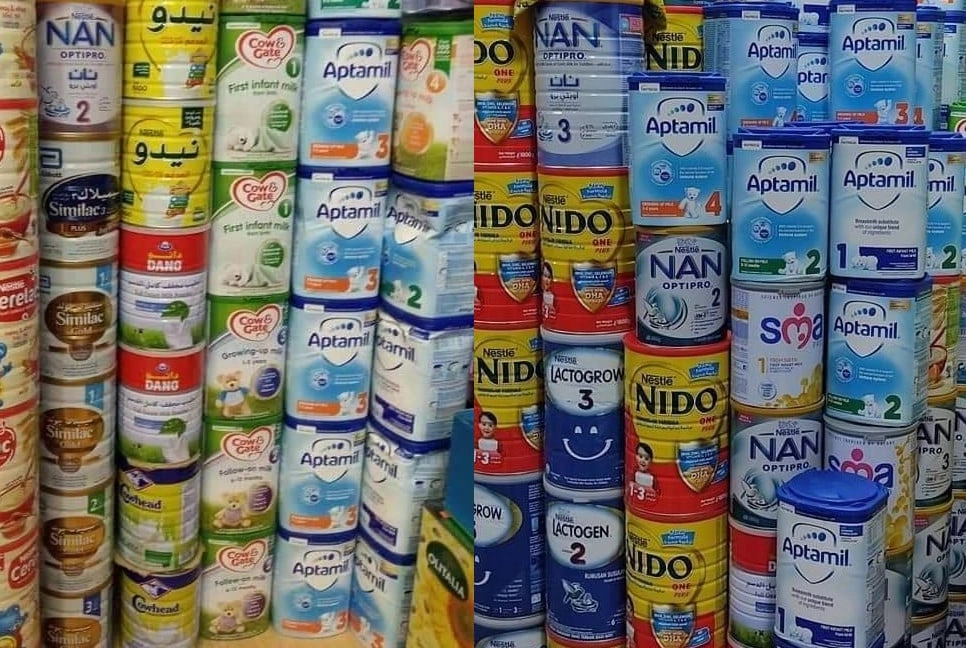
The price of baby food has soared uncontrollably. Within just six months, the price of powdered milk brands like Cow & Gate and Horlicks has increased by Tk 140 to Tk 800 per can. This sharp rise has not only added to parents’ suffering but also made it difficult to ensure proper nutrition for children. However, this is not the first time baby food prices have been climbing every year. Analysts blame the government for the lack of effective market monitoring, which they say has allowed such hikes to continue unchecked.
Consumers Association of Bangladesh (CAB) Vice President S. M. Nazer Hossain has raised questions about the government’s intent to regulate the market, saying: “It is doubtful whether the government truly wishes to control the market. In the past, there were some raids, but offenders were rarely punished under the law. Instead, businessmen involved in wrongdoing were rewarded by being included in state visits with top leaders. Recently, the number of raids has decreased, and even when action is taken, there is no follow-up.”
A market survey shows that prices of almost all major baby food items including Horlicks, Aptamil, Nido, Cerelac Fruits & Honey, and Lactogen—have increased over the past six months. Horlicks has seen the lowest rise, going up by Tk 140, with its 500g jar now selling at Tk 640, compared to Tk 500 last November. Lactogen prices have shot up by Tk 700 per can, reaching Tk 4,000, while Nido Three Plus has risen from Tk 4,600 to Tk 5,300. Cerelac Fruits & Honey increased from Tk 1,950 to Tk 2,100, Nido One Plus is selling at Tk 5,100, and Aptamil One now costs Tk 3,300 per can. Among the sharpest hikes is Cow & Gate, which has gone up by as much as Tk 800.
According to Rahim Uddin, cashier at wholesale shop Merima Tahi Enterprise in Gulshan DNCC Market, the country’s baby food market is dominated by multinational companies. Products from the USA, Iran, Spain, and India dominate the shelves. “Since importers control pricing when bringing in these products, the effects are directly felt in the market. This has been happening continuously over the past six months,” he said.
For families, the price hikes are proving unbearable. Nazmul Hossain, a private job holder living in Mohakhali, explained: “It’s nearly impossible to run a family on limited income. By the end of the month, taking loans has become inevitable. I have a three-year-old child at home who refuses homemade food, so as per a nutritionist’s advice, we must rely on packaged baby food. Price hikes have become a regular occurrence over the past year.”
Nutrition experts warn of serious consequences. Professor Dr. Abu Torab Md. Abdur Rahim of the Institute of Nutrition and Food Science, Dhaka University, said: “The rising cost of imported baby food may not affect the upper and upper-middle class. But the middle and lower-income groups are losing purchasing power. Poverty has increased, which reflects government failure. This has pushed the lower-income segment into extreme hardship. It’s not only children—entire families are at risk of malnutrition. As hunger rises in society, social unrest will also increase. Malnourished children will face long-term health challenges.”
Meanwhile, the Directorate of National Consumer Rights Protection (DNCRP) claims it is conducting regular drives to stabilize the market. Director (Joint Secretary) Abdul Jalil stated: “We take legal action whenever businesses charge above the government-fixed prices. However, when it comes to imported products, if they are sold at higher rates, the consumer law leaves us powerless. If the National Board of Revenue (NBR) sets an official price for imported goods, we would then be able to take strict action against unscrupulous traders.”
Related News
You may like




Tom Holland Says Marvel Has a Plan for the Next Spider-Man
August 1, 2026
Elected News
-
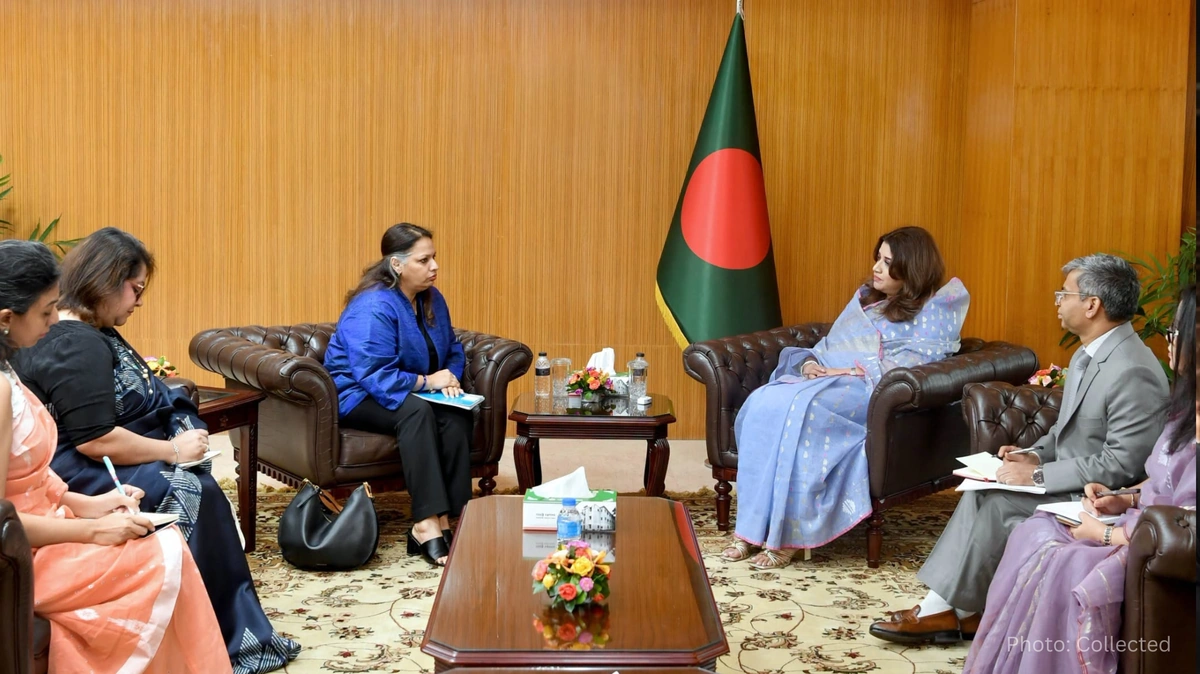
Bangladesh Seeks UN Women Support on Digital Harassment and Women’s Empowerment
-
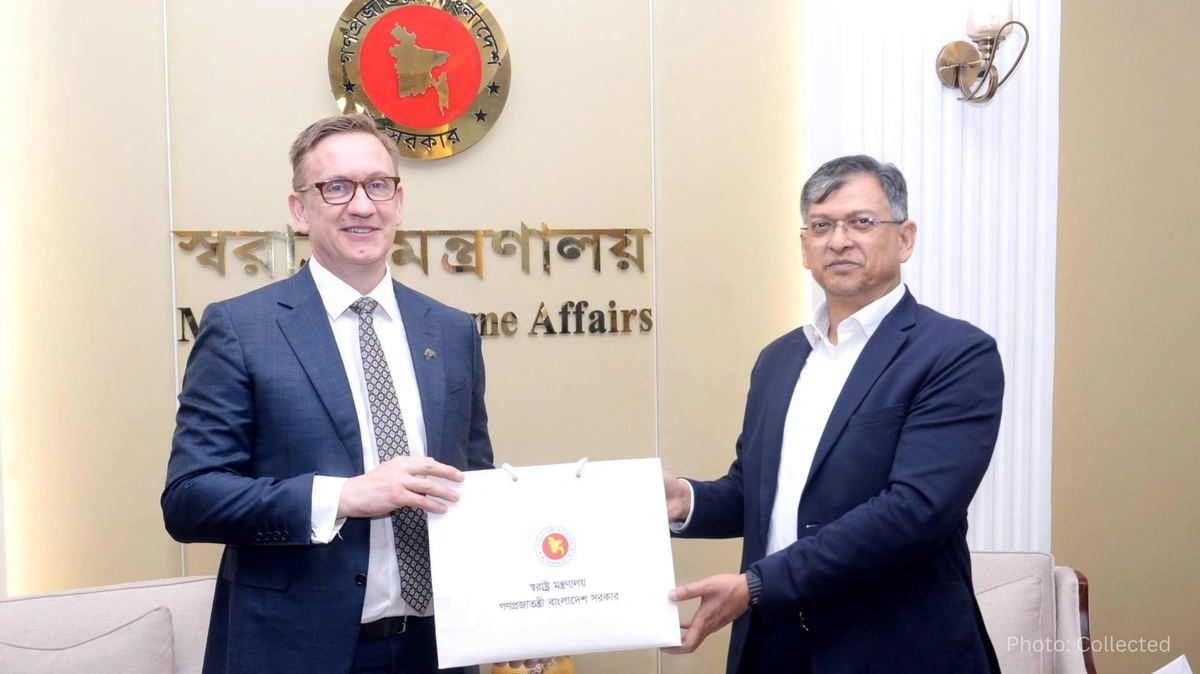
Bangladesh, Australia Discuss Human Trafficking, Irregular Migration and Rohingya Crisis
-
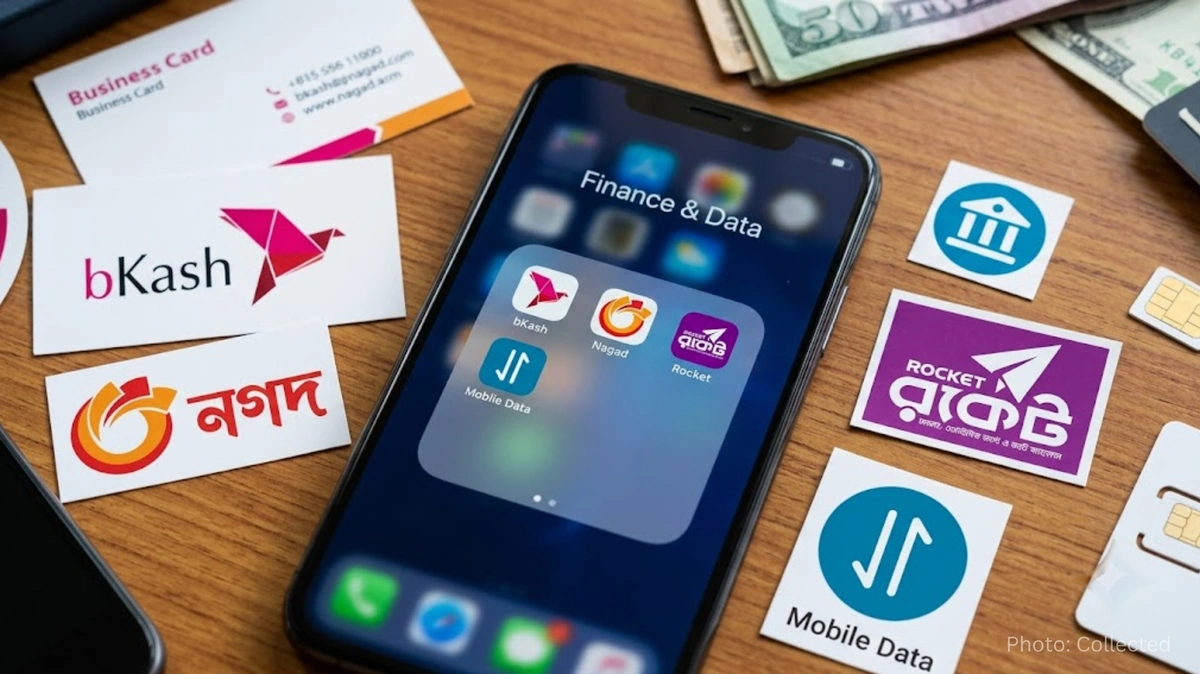
Bangladesh Plans Internet-Free Access to Mobile Banking and Financial Apps
-
DU to Open Undergraduate Admission Applications on 11 November, Tests Begin 5 December


