People Power Rising: Why Three Countries Are Facing Mass Uprisings
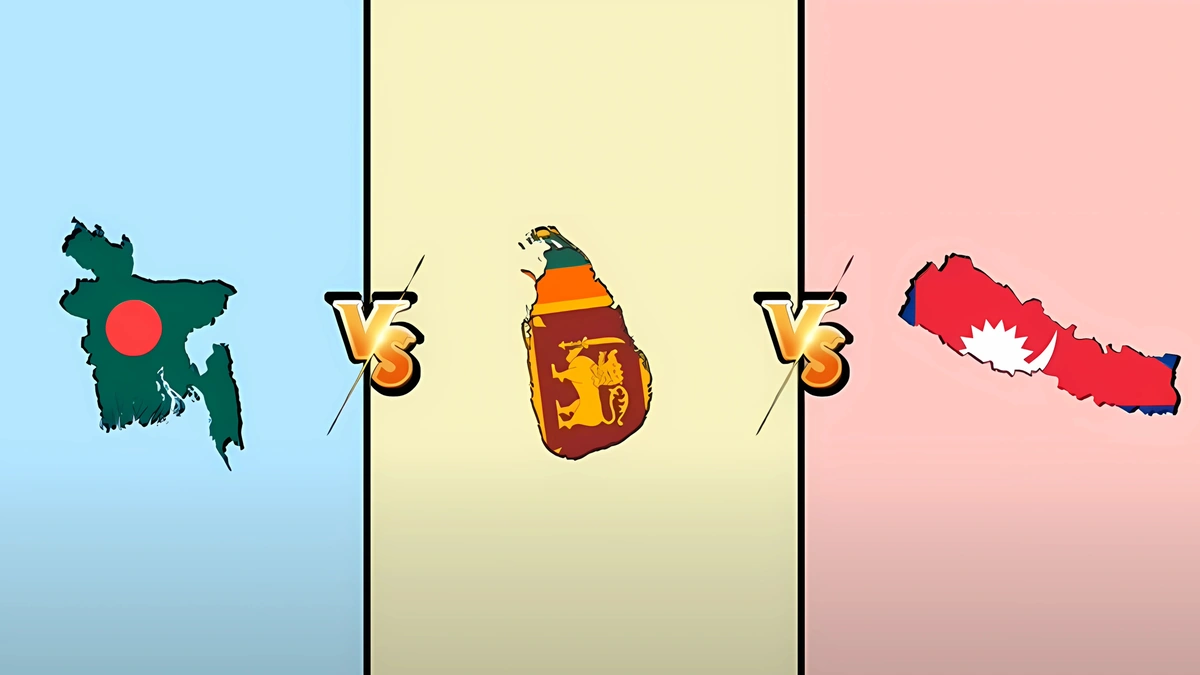
Sri Lanka, Bangladesh, and Nepal each have their own history and unique context behind the recent movements. However, analysts say there are also similarities the new generation is no longer willing to accept broken promises.
Staniland described the situation as a dramatic change for South Asia. The region has long witnessed political movements, but outright government overthrows are rare.
“This type of movement is different from the military coups seen in various countries. South Asia’s crises have historically been resolved in other ways this time it is taking a different path,” Staniland said.
Sri Lanka, Bangladesh, and Nepal each have their own history and unique context behind the uprisings. However, analysts note striking similarities: the new generation is no longer willing to tolerate broken promises.
Movements in these countries are also learning from one another.
At the core of all three uprisings lies the same cause deep inequality and a corrupt political elite, increasingly disconnected from the real aspirations of the younger generation, said Meenakshi Ganguly, South Asia Deputy Director of Human Rights Watch.
From Colombo to Dhaka to Kathmandu: The Background of the Uprisings
In Nepal, the recent Gen-Z–led movement began after the government decided to shut down social media platforms, claiming misuse and non-compliance with registration rules. But the true source of anger ran deeper inequality, corruption, and nepotism in a country where remittances from Nepali migrant workers make up nearly one-third of the economy.
Thousands of teenagers, still in their school uniforms, poured into the streets. More than 70 people were killed, and hundreds were injured.
In Bangladesh, the 2024 student–people’s uprising unfolded differently. It began as a student-led protest against the discriminatory quota system in government jobs. When police crackdowns left many dead, the demonstrations escalated into a broader movement against Sheikh Hasina’s long and repressive rule.
At first, the movement’s leadership was loose. Student leaders issued ultimatums and demands, with opposition parties lending their support. The Hasina government’s repressive tactics from brutal attacks on students to shutting down the internet and disrupting telecommunications fueled the unrest further. Finally, on August 5, 2024, Hasina resigned and fled to India by helicopter with her close allies.
Two years earlier, in Sri Lanka, protests had emerged from the country’s economic collapse. In March 2022, the nation declared bankruptcy. Daily life became unbearable 12-hour power cuts, long queues for fuel and gas, and inflation soaring above 50 percent.
This gave birth to the Aragalaya (or “Struggle”) movement. Youths set up a protest site called GotaGoGama (“Gota Go Village”) in front of the Presidential Secretariat, a symbolic protest against President Gotabaya Rajapaksa. The site became a hub of gatherings, art, and speeches. The Rajapaksa family had ruled the country for 15 years, but by mid-July 2022, Gotabaya fled the country, and protesters occupied his official residence.
Nepali youths closely observed the uprisings in Sri Lanka and Bangladesh. According to political anthropologist Jeevan Sharma, Nepal’s Gen-Z movement is no different it was born out of deep frustration with political leadership.
“A Wide Gap Between Two Generations”
Meenakshi Ganguly, South Asia Deputy Director of Human Rights Watch, believes the root cause of the three countries’ movements is the same inequality and a corrupt political elite, increasingly detached from the real aspirations of the younger generation.
“Gen-Z has faced two global recessions in their lifetime 2008–09 and the post-Covid period. They spent two years of the pandemic in isolation. While cut off physically from friends, they turned to digital platforms like never before,” she said.
At that time, they were governed by leaders far older than themselves: Nepal’s Oli was 73, Bangladesh’s Hasina 76, and Sri Lanka’s Rajapaksa 74.
“For South Asia’s youth, it became difficult to relate to such political leaders. Meanwhile, the stark contrast between the lavish lifestyles of these leaders and their families, and the everyday struggles of ordinary people, fueled even greater resentment,” Ganguly added.
Experts say this is why protests against nepotism spread across Nepal. Much like in Indonesia, where the “#NepoKid” movement grew on social media and recently turned into street demonstrations, Nepali youths have raised a similar echo.
Staniland noted that the true strength of these movements lies in the ability of young people to dream to imagine a future with better politics and a stronger economy. But they are also realizing the vast gap between those dreams and the reality of their lives. It is this gap between aspiration and reality that has fueled their anger.
In all three countries, nearly half the population is under the age of 28. Despite per capita incomes being far below the global average, literacy rates are above 70 percent.
According to experts, these movements are not driven by ethnic or separatist demands. Rather, they are built around questions of economic and social justice giving them the power to resonate nationwide.
“When governments face such movements,” Staniland said, “their options to resist are very limited especially when inequality runs deep and the economy is slowing.”
Learning from Each Other
Political anthropologist Jeevan Sharma, who researches South Asia and is currently based in Kathmandu, said these movements have learned from one another. Not only that, but they have also drawn lessons from other youth-led uprisings around the world, such as those in Indonesia and the Philippines.
“Nepali youths closely observed the movements in Sri Lanka and Bangladesh. This Gen-Z movement is nothing unique it has simply grown out of deep frustration with political leadership,” Sharma said.
Staniland agreed with this view. “Certainly, these movements are watching each other, inspiring one another, and learning from one another,” he noted.
Rumela Sen of Columbia University added that the strategies seen in Nepal and across the region such as hashtag campaigns on social media and mobilization without centralized leadership reflect a new kind of digital-era protest model.
The only question that remains is: where will the next movement begin?
Related News




You may like



Tom Holland Says Marvel Has a Plan for the Next Spider-Man
August 1, 2026
Elected News
-
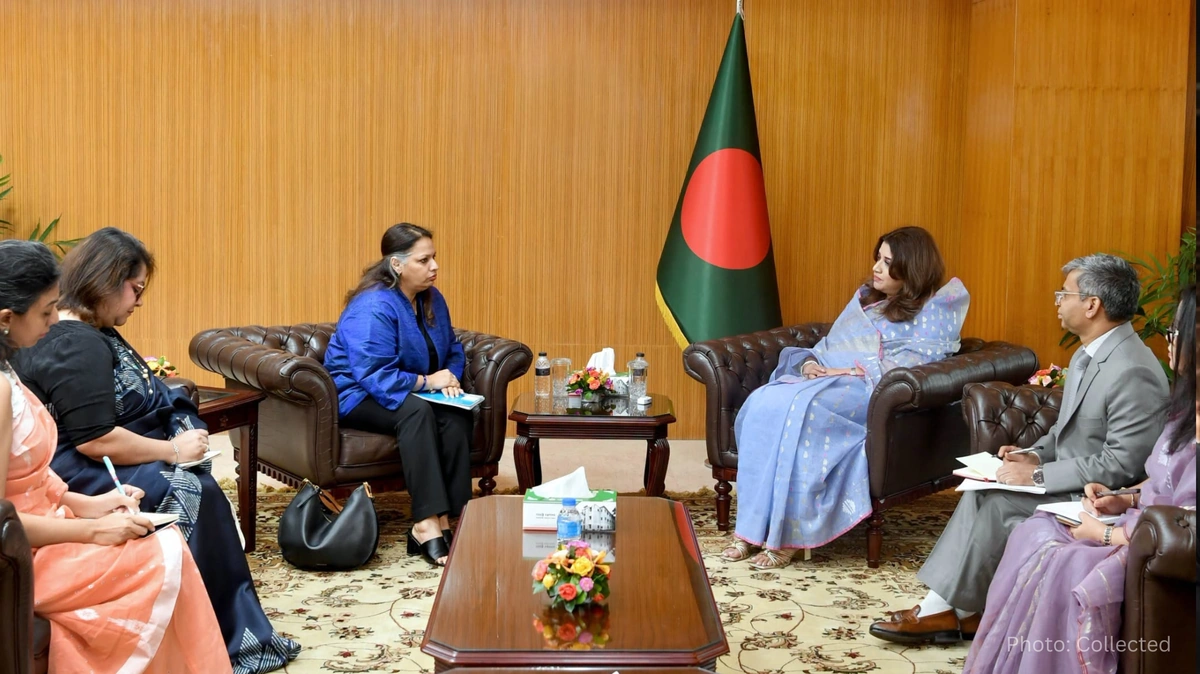
Bangladesh Seeks UN Women Support on Digital Harassment and Women’s Empowerment
-
Bangladesh, Australia Discuss Human Trafficking, Irregular Migration and Rohingya Crisis
-

Bangladesh Plans Internet-Free Access to Mobile Banking and Financial Apps
-
DU to Open Undergraduate Admission Applications on 11 November, Tests Begin 5 December


