Science
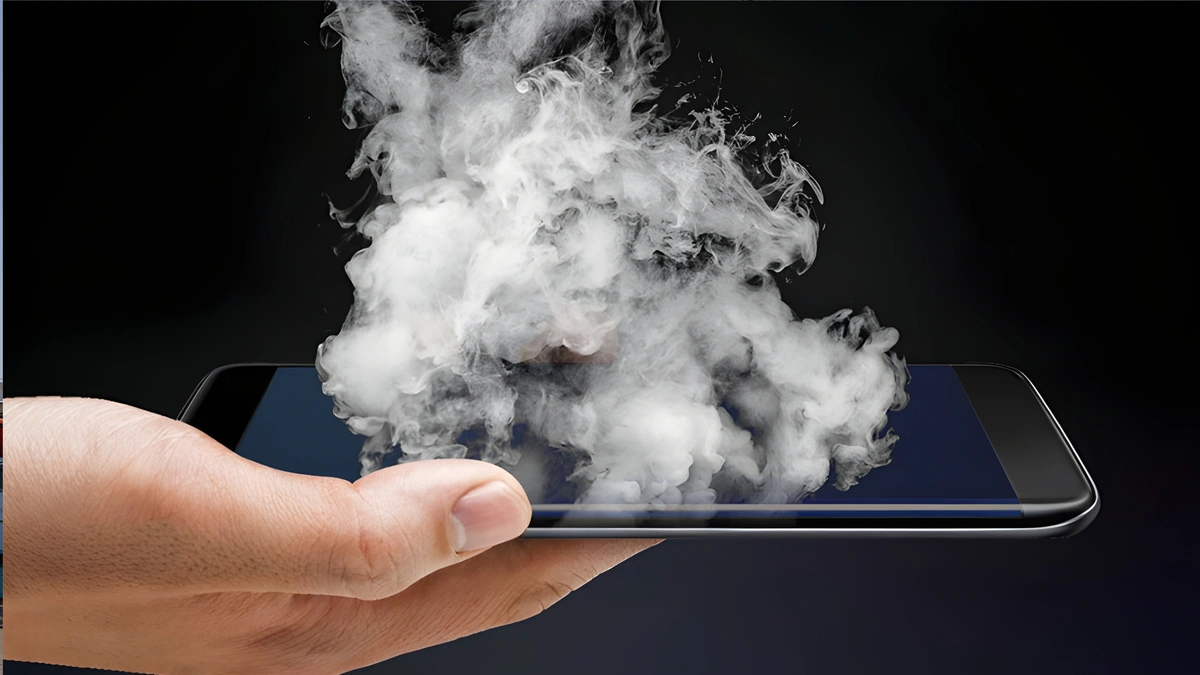
Why does a phone heat up when using the internet
Nowadays, smartphones are used not just for calls or messages but are more effective primarily through internet usage. However, many users notice that when mobile data or Wi-Fi is turned on, the phone heats up quickly, and the battery drains faster. According to experts, there are several scientific reasons behind this.
October 8, 2025
Read More →
Heat and temperature are not the same; then what is temperature?
Heat and temperature are not the same. Many people think that temperature is a measure of heat, but that is not correct either. So, what exactly is temperature? When we measure with a thermometer, what are we actually measuring?
October 8, 2025
Read More →
How does an electric bulb light up
When electricity flows through a wire into a bulb, the wire inside the bulb becomes hot and starts to glow. This happens because of the filament inside the bulb. The filament is very thin and offers resistance to the flow of electric current. As a result, the electrical energy is converted into heat and light energy.
October 8, 2025
Read More →
The Untold Story of the Internet’s Inventor
Who invented the Internet? This question is not easy to answer. Just as it's difficult to name a single inventor of the electric light or the telephone, it's equally hard to credit just one person for the invention of the Internet. Behind every great invention lies the contribution of many individuals. The story of the Internet is no different. It is not the result of one person's efforts it is the outcome of decades of collaborative work by numerous scientists and engineers. The Internet we use today is built upon the efforts of many pioneers. So, let’s explore the story behind it.
October 8, 2025
Read More →
Three scientists win the Nobel Prize in Medicine
American scientists Mary Brunkow and Fred Ramsdell, along with Japanese scientist Shimon Sakaguchi, have been awarded the Nobel Prize in Physiology or Medicine this year.They received the award for their research on peripheral immune tolerance.
October 8, 2025
Read More →
Tiny Bite, Big Reaction: The Science Behind Ant Bites
When an ant bites somewhere, the area swells. What changes occur in that swollen area? Do the number of cells increase, or is it something else?"
October 5, 2025
Read More →
The Science Behind the Brain’s Multitasking Ability
Young people are glued to their smartphones. From the internet, WhatsApp, Messenger, Instagram, Facebook, to video games and countless other digital platforms, they stay busy day and night, constantly tapping on their phones. Parents worry that this constant attraction to smartphones might damage their children’s eyesight, and even harm their brains. And of course, studying will definitely suffer! But in reality, things are not as bad as they seem. It’s true that excessive, addictive use of smartphones can cause some harm. However, if young people use certain mobile apps thoughtfully and engage in problem-solving activities, there’s no harm—in fact, it can even improve brain function.