Facebook is removing the “Like” button

For 16 long years, the Like button has been one of the most recognizable symbols on the internet. Introduced in 2009, this feature changed the way people interact in the digital world.
With a single click, users could express their liking, support, or appreciation. But now, the Like button is once again at the center of discussion and debate.
Meta has announced that from February 10, 2026, Facebook's Like and Comment buttons will no longer work on external websites. This means that Facebook’s Like or Comment plugins on blogs, news sites, e-commerce websites, and other web pages will be deactivated.
The good news, however, is that the Like button will remain active on Facebook’s own app and website, so users will still be able to react to posts, photos, reels, and videos as before.
Why remove these plugins? According to Meta, this move is part of modernizing and simplifying their developer tools. These plugins, created nearly a decade ago, helped increase Facebook's presence on external websites, but their usage has significantly declined over time. Stricter privacy laws, changes in data-sharing policies, and the rise of new social media platforms are the main reasons. Meta believes that maintaining these old and unnecessary tools is no longer meaningful.
It is worth noting that when the Like button was introduced in 2009, it was more than just a technological feature-it became a cultural symbol. Likes became a key measure of online behavior, content popularity, and brand promotion. However, by 2025, the internet has become more fragmented, users spend time across multiple apps, algorithms have grown complex, and privacy has become a central concern.
In this changed landscape, Facebook’s web-based influence has significantly diminished. Meta now aims to focus on innovation rather than past traditions.
Related News
You may like



Tom Holland Says Marvel Has a Plan for the Next Spider-Man
August 1, 2026
Elected News
-

Bangladesh Seeks UN Women Support on Digital Harassment and Women’s Empowerment
-

Bangladesh, Australia Discuss Human Trafficking, Irregular Migration and Rohingya Crisis
-
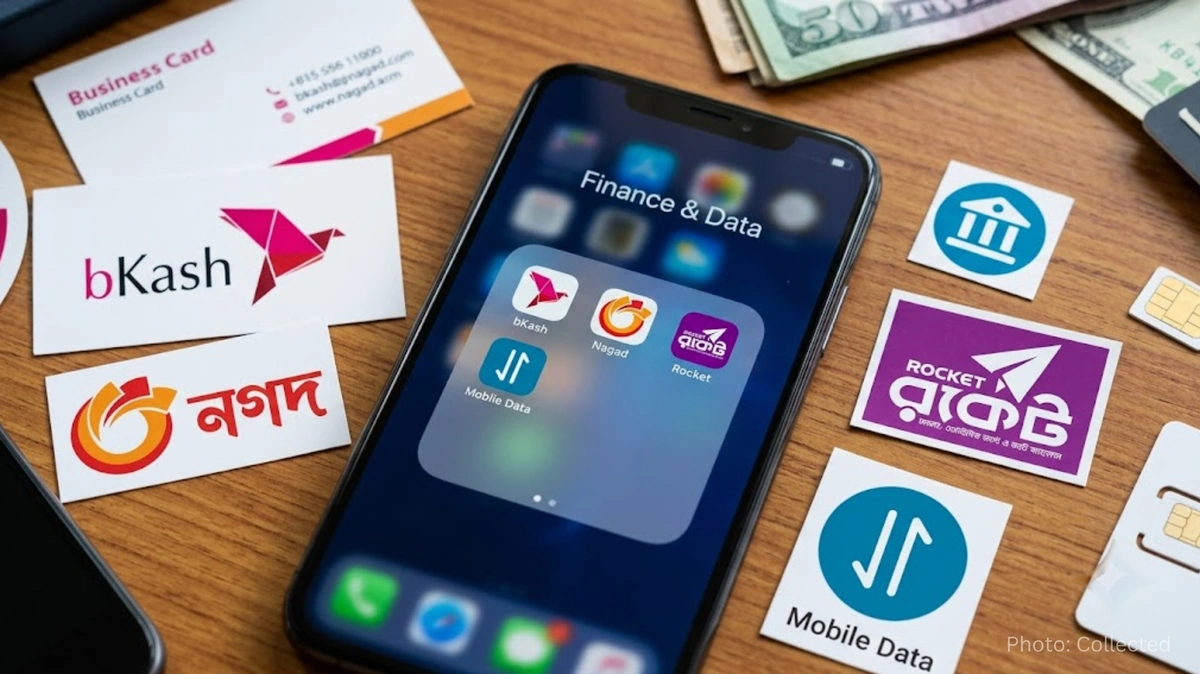
Bangladesh Plans Internet-Free Access to Mobile Banking and Financial Apps
-

DU to Open Undergraduate Admission Applications on 11 November, Tests Begin 5 December


