Climate Change and Salt Intrusion Threaten the Sixty Dome Mosque in Bagerhat
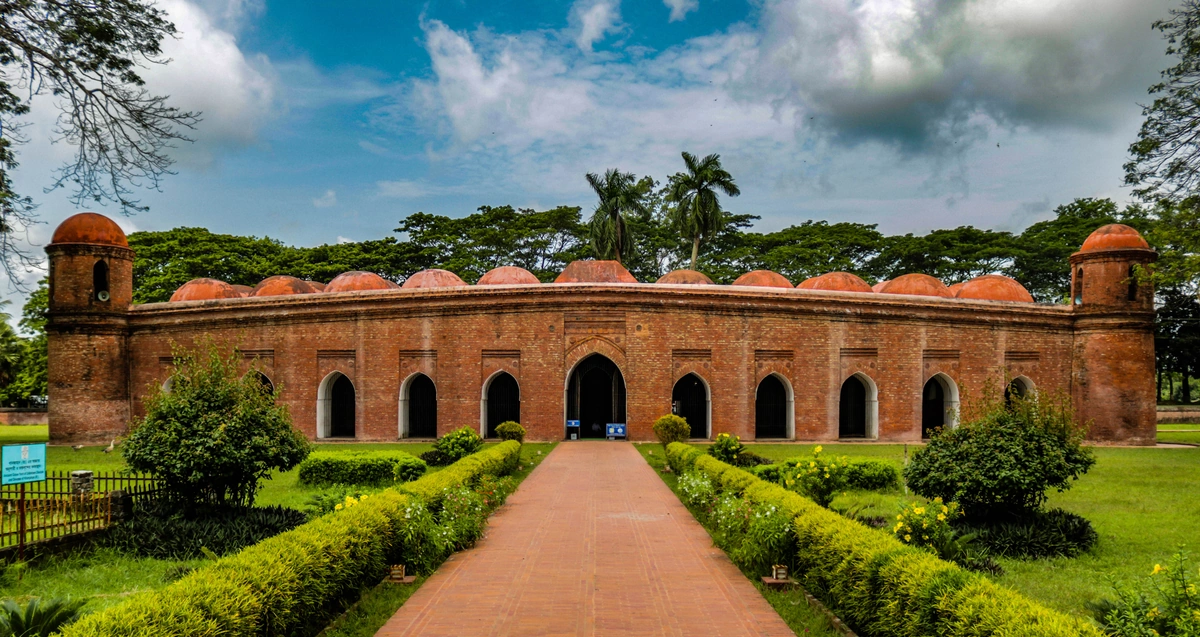
Rising sea levels and increasing salinity are slowly damaging the UNESCO World Heritage Site, raising concerns over long-term preservation
The historic Sixty Dome Mosque in Bagerhat, one of South Asia’s most significant Islamic architectural landmarks, is facing a growing environmental threat as climate change accelerates salt intrusion into its ancient structure.
Located in southwestern Bangladesh, the mosque officially known as the Historic Mosque City of Bagerhat and a UNESCO World Heritage Site since 1985 has stood for nearly six centuries. Built in the 15th century by Khan Jahan Ali, it has survived floods, cyclones, and centuries of natural decay. However, experts now warn that a slower but more destructive force is emerging from within its walls.
Rising sea levels and stronger cyclones in the Bay of Bengal have increased soil and groundwater salinity in the region. As salty water seeps into the mosque’s porous brick structure, a process known as efflorescence is occurring, where salt crystals form inside the bricks, gradually weakening them from within.
Local caretaker and imam Mohammad Helal Uddin said he has observed visible changes in the mosque’s walls over the past several years, including dampness and discoloration. Conservation experts also report that both original and renovated sections of the structure are now showing signs of salt damage.
According to architecture researchers at Khulna University, even restoration efforts using specially made bricks have not fully prevented deterioration. In some cases, newer materials are showing higher salt concentration than older bricks, raising concerns about the effectiveness of current preservation methods.
The mosque is part of a wider group of historic structures in the Bagerhat region that are experiencing similar damage, including several other dome mosques from the same period.
UNESCO has previously acknowledged that increasing salinity poses a serious threat to the site’s structural integrity, though long-term solutions remain limited. Experts are calling for advanced conservation techniques, improved drainage systems, and sustained international support to prevent further damage.
Without urgent intervention, specialists warn that one of Bangladesh’s most iconic heritage sites could face irreversible deterioration in the coming decades.
Related News
You may like




Tom Holland Says Marvel Has a Plan for the Next Spider-Man
August 1, 2026
Elected News
-

Bangladesh Seeks UN Women Support on Digital Harassment and Women’s Empowerment
-

Bangladesh, Australia Discuss Human Trafficking, Irregular Migration and Rohingya Crisis
-

Bangladesh Plans Internet-Free Access to Mobile Banking and Financial Apps
-
DU to Open Undergraduate Admission Applications on 11 November, Tests Begin 5 December


