Fed officials weigh AI inflation risks ahead of rate decision

US Federal Reserve officials are preparing for an expected rate increase amid intense debates over the economic impact of artificial intelligence. Fed Vice Chair Philip Jefferson stated that artificial intelligence investment is currently raising inflation.
US Federal Reserve officials are expected to follow through with a quarter-percentage-point rate increase at their December 8-9 meeting as debate intensifies over the economic impact of the artificial intelligence boom. While central bankers do not necessarily aim to slow the technology sector down, many see it pushing economic growth beyond potential and creating a need to restrain investment and demand.
Fed Vice Chair Philip Jefferson stated that artificial intelligence investment is currently raising inflation, with any productivity benefits still to come. Chicago Fed President Austan Goolsbee told reporters last week that if the investment rate slows down, he would be less concerned about overheating in the economy.
Austan Goolsbee likened the strain that artificial intelligence puts on capacity to trying to get a pig through a python. He stated that the central bank has only one tool, which is to tighten rates, and expressed his view that data centers are included in business investment and might be influenced by rising borrowing costs.
Other US central bank officials have also weighed in on the technological shift. Fed Governor Lisa Cook noted possible financial risks and the likelihood that artificial intelligence is already eliminating jobs.
The broader economic debate intersects with political divisions over the pace of technology construction and oversight. Former US Commerce Secretary Gina Raimondo spoke on a panel at an artificial intelligence conference commissioned by officials and held at the San Francisco Fed, noting that people are afraid of losing jobs, children's mental health issues, and national security concerns.
Gina Raimondo, who currently co-chairs a nonprofit trying to ease the transition for workers, pointed out that many ballot initiatives meant to slow data-center construction were approved by voters during recent US midterm elections. She called this a troubling sign, stating that when people are afraid they say stop, and that the path forward requires addressing people's legitimate concerns.
The central bank's perspective on artificial intelligence investment as a source of inflation puts monetary policymakers at odds with the administration. Treasury Secretary Scott Bessent and other administration officials argue that rising prices are primarily the fault of still-high global oil prices that will fade as energy costs ease.
Leadership perspectives within the central bank reflect varying degrees of urgency regarding the technology sector. Before taking over as Fed chief, officials like Warsh had cautioned central bankers to avoid taking sides on political issues like climate change, yet Warsh has called success in artificial intelligence a make-or-break issue for the United States.
Speaking last week at the San Francisco Fed conference, Warsh stated that the nation is at a hinge point for the economy and the country's role in the world, adding that he does not think anyone is impartial to how the outcome unfolds. Warsh has acknowledged that artificial intelligence hits demand first, with supply and productivity improvements coming later and possibly helping ease inflation down the road.
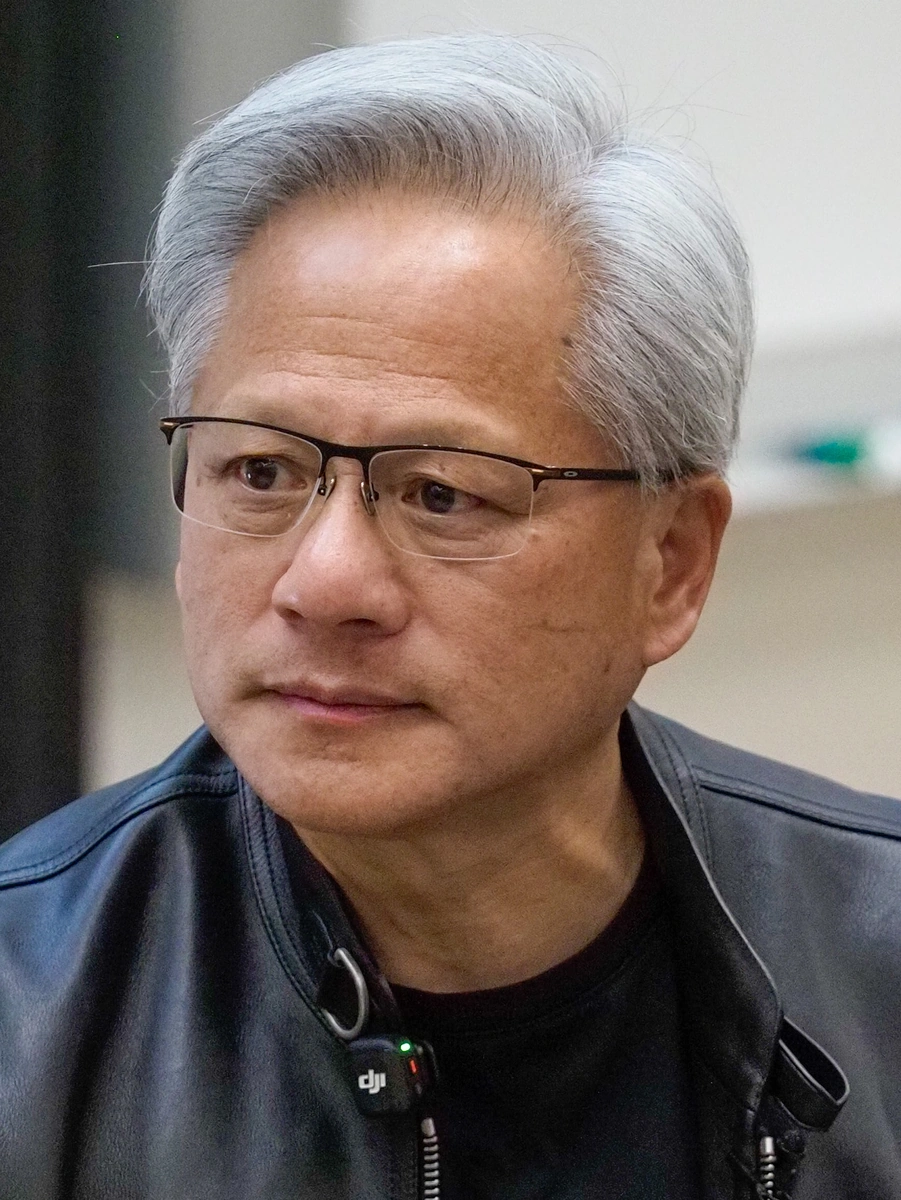
Officials have also discussed the shifting nature of technological development and market volatility. Nvidia reversed course and rehired Jensen Huang as its chief executive officer on Monday, helping stocks surge back after recent sharp losses.
Financial analysts have criticized the central bank's communication strategy during the market turbulence. Macquarie analysts wrote recently that the problem for markets since the midterm elections has not been just the prospect of an artificial intelligence slowdown, but also that the Fed has seemingly ignored risks and uncertainty and thrown caution to the wind.
Macquarie analysts added that Warsh has brought this revolt on himself by not abandoning his own aversion to expressing forward guidance, even as the debate around what he sees as the signature economic issue of the day has become more complex. Policymakers are due to update their interest rate projections following a period in which the rhetoric of many officials leaned hawkish despite mixed market signals.
You may like

Pakistan's first astronaut joins China's Shenzhou-24 mission
November 24, 2026
Bangladesh to introduce market-based land valuation from 2027 to 2029
November 24, 2026
Shimanto Bank opens new branch and ATM booth in Barishal
November 24, 2026
Elected News
-

Bangladesh Seeks UN Women Support on Digital Harassment and Women’s Empowerment
-

Bangladesh, Australia Discuss Human Trafficking, Irregular Migration and Rohingya Crisis
-

Bangladesh Plans Internet-Free Access to Mobile Banking and Financial Apps
-

DU to Open Undergraduate Admission Applications on 11 November, Tests Begin 5 December


