Bobby Hajjaj proposes 15-year roadmap for primary education reform
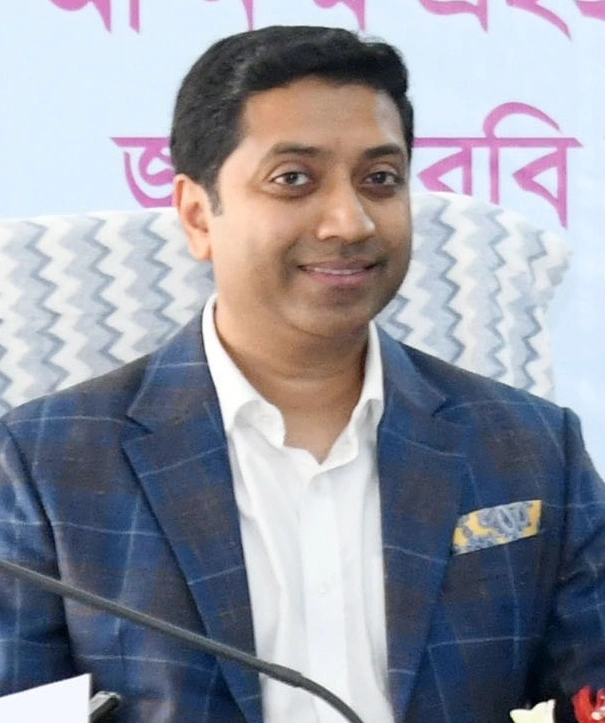
State Minister Bobby Hajjaj proposed a 15-year strategic framework for primary education reform at a workshop in Gazipur. He also announced the government's move to rename the Fifth Primary Education Development Programme.
State Minister for Primary and Mass Education Bobby Hajjaj has called for a 15-year national strategic framework to reform primary education in Bangladesh. The proposal aims to establish measurable targets to track children's learning progress and assess the effectiveness of educational reforms. He made the remarks at a stakeholder consultation workshop held in Gazipur.
The workshop focused on the National Foundational Literacy and Numeracy Framework and was held at the BRAC Centre for Development Management in Rajendrapur, Gazipur. According to a ministry press release, the Directorate of Primary Education and the World Bank jointly organised the event. Officials from various sectors attended to discuss the future direction of primary education in the country.
Bobby Hajjaj stated that the proposed framework should set specific targets for three, five, seven and 10 years. He emphasised that these targets would require necessary adjustments based on research, evidence and practical experience. The goal is to create a flexible yet rigorous system for monitoring educational outcomes.
The minister argued that primary education must go beyond simply ensuring school attendance. He said the focus should shift to ensuring that children actually learn, enjoy their classes and develop ethical and humane values. This approach aligns with a broader vision for student well-being and holistic development.
Referring to the prime minister's concept of 'Learning Happiness', Bobby Hajjaj said that curriculum design, classroom activities, sports, cultural programmes and moral education should all be considered. These elements are intended to make the learning process enjoyable and engaging for young students. The minister stressed that enjoyment in learning is a key component of effective education.
He also called for standardisation measures to reduce disparities in the quality of education and learning opportunities. Currently, there are significant gaps between government and private primary schools in Bangladesh. The minister suggested that standardisation could help bridge these divides and ensure equitable access to quality education.
Bobby Hajjaj urged policymakers to properly assess various factors that affect learning. These include learning gaps, nutrition, school infrastructure, classroom conditions, furniture, sanitation and other facilities that support the learning environment. He noted that these foundational elements are critical to the success of any educational reform programme.
During the workshop, the minister announced that the government was moving to rename the Fifth Primary Education Development Programme, known as PEDP-5. The new name will be 'Primary Education Before All: National Transformation Programme-1', abbreviated as PEBA: NTP-1. This change reflects the government's priority on primary education as a cornerstone of national transformation.
The Executive Committee of the National Economic Council approved PEDP-5 on November 4. The programme has an estimated cost of Tk 41,090.48 crore for the period from July 2026 to June 2031. This substantial investment underscores the government's commitment to improving the primary education sector in Bangladesh.
Bobby Hajjaj asked officials to compile the recommendations made by different groups at the workshop. These proposals will be submitted to policymakers for further consideration. The minister indicated that the feedback gathered during the consultation process would inform the finalisation of the 15-year strategic framework.
The workshop brought together stakeholders from various backgrounds to discuss the challenges and opportunities in primary education. Participants shared their insights on how to improve literacy and numeracy skills among young children. The discussions highlighted the need for a coordinated approach involving government, non-governmental organisations and international partners.
The World Bank's involvement in the workshop reflects its ongoing support for education development in Bangladesh. The bank has been a key partner in several education programmes in the country. Its participation in this consultation underscores the importance of international collaboration in achieving sustainable educational improvements.
The Directorate of Primary Education plays a central role in implementing primary education policies in Bangladesh. The joint organisation of the workshop with the World Bank demonstrates a collaborative effort to address systemic issues in the education sector. Such partnerships are seen as essential for achieving long-term goals in education.
The proposed 15-year roadmap is intended to provide a long-term vision for primary education in Bangladesh. By setting clear targets and monitoring progress, the government aims to ensure that reforms are effective and sustainable. The framework is expected to guide policy decisions and resource allocation over the next decade and a half.
Bobby Hajjaj's call for a strategic framework comes at a time when Bangladesh is seeking to improve its human development indicators. Primary education is a critical component of this effort, as it lays the foundation for lifelong learning and economic participation. The minister's remarks signal a renewed focus on quality education for all children.
The renaming of PEDP-5 to PEBA: NTP-1 is part of a broader rebranding of the programme. The new name emphasises the priority given to primary education in the national transformation agenda. This change is intended to communicate the government's commitment to placing primary education at the forefront of development efforts.
The estimated cost of Tk 41,090.48 crore for PEDP-5 represents a significant investment in the education sector. The funds are expected to be used for various initiatives, including teacher training, infrastructure development and curriculum improvement. The programme runs from July 2026 to June 2031, covering a five-year period.
The stakeholder consultation workshop provided a platform for diverse voices to be heard in the policy-making process. Recommendations from participants will be considered as the government finalises the 15-year strategic framework. This inclusive approach is seen as a way to ensure that the reforms are relevant and responsive to the needs of communities.
Bobby Hajjaj's proposal for a 15-year roadmap marks a significant step in the evolution of primary education policy in Bangladesh. The framework aims to address long-standing challenges in the sector and promote a more equitable and effective system. The government's commitment to this long-term vision is evident in the approval of PEDP-5 and the ongoing consultations with stakeholders.
You may like

Nebius stock drops 57% as AI high-yield bond market stalls
November 17, 2026

UK actors secure new rights over digital replicas in AI deal
November 17, 2026

UK and EU agree to compensation clause in food and agriculture deal
November 17, 2026
Anthropic targets $1.4 trillion valuation in upcoming IPO
November 17, 2026
Elected News
-
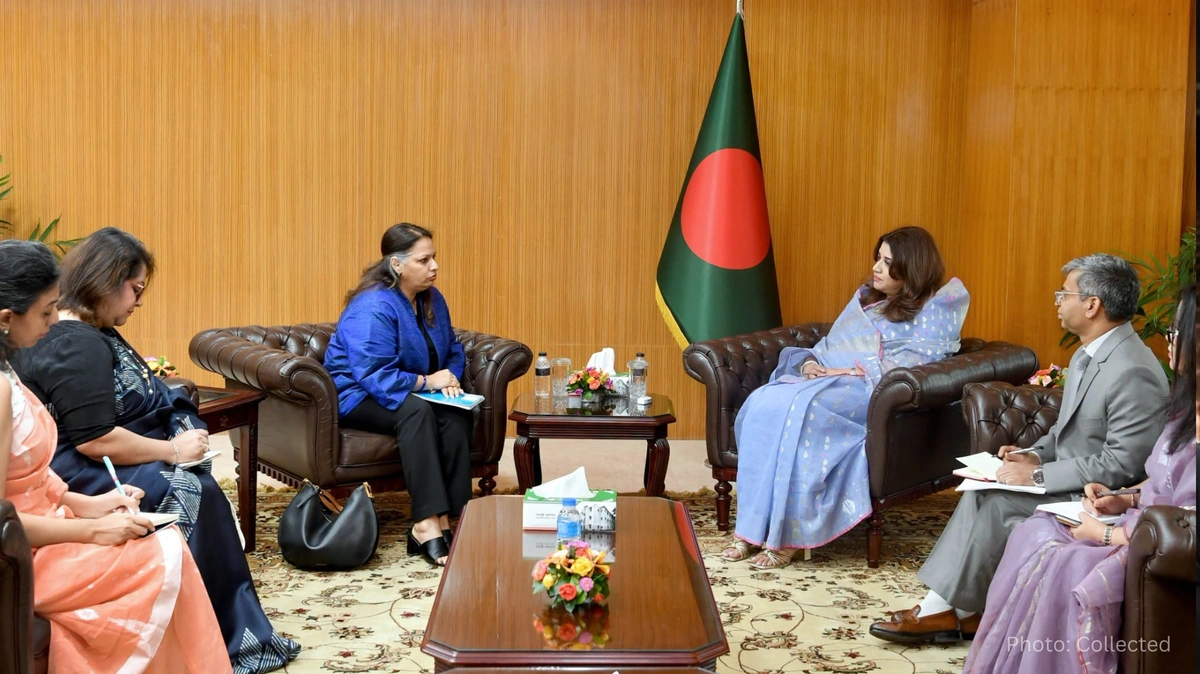
Bangladesh Seeks UN Women Support on Digital Harassment and Women’s Empowerment
-
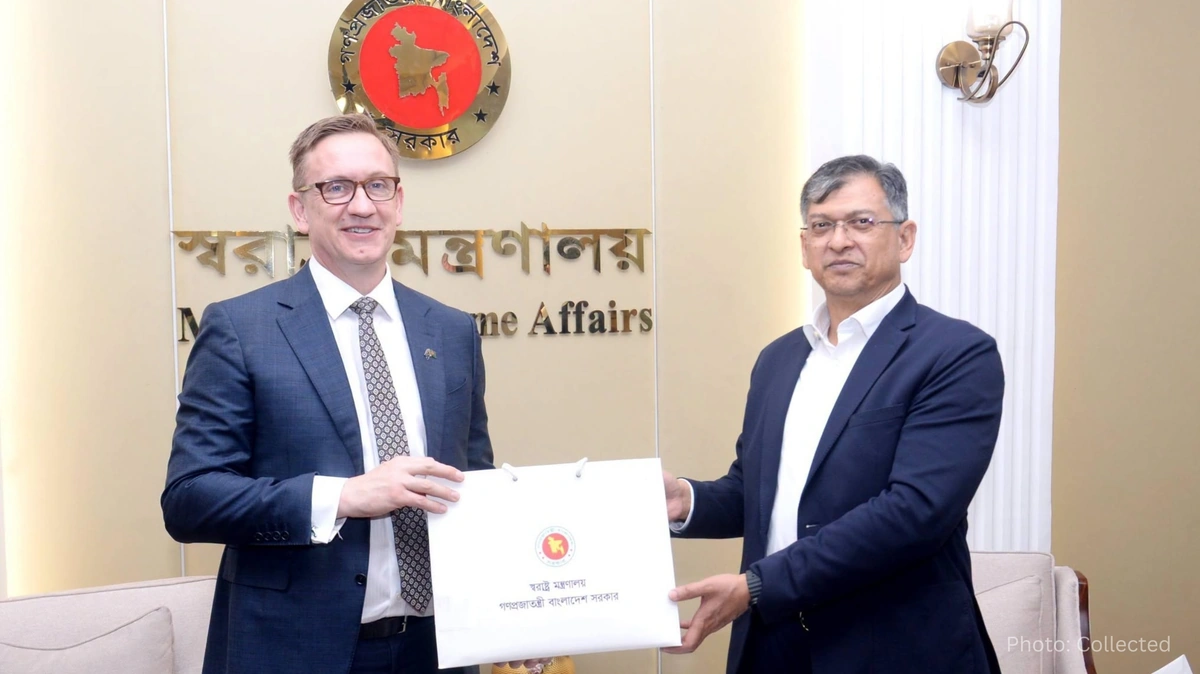
Bangladesh, Australia Discuss Human Trafficking, Irregular Migration and Rohingya Crisis
-

Bangladesh Plans Internet-Free Access to Mobile Banking and Financial Apps
-
DU to Open Undergraduate Admission Applications on 11 November, Tests Begin 5 December


