Tencent and Moonshot AI remove hacking tools from open-source models
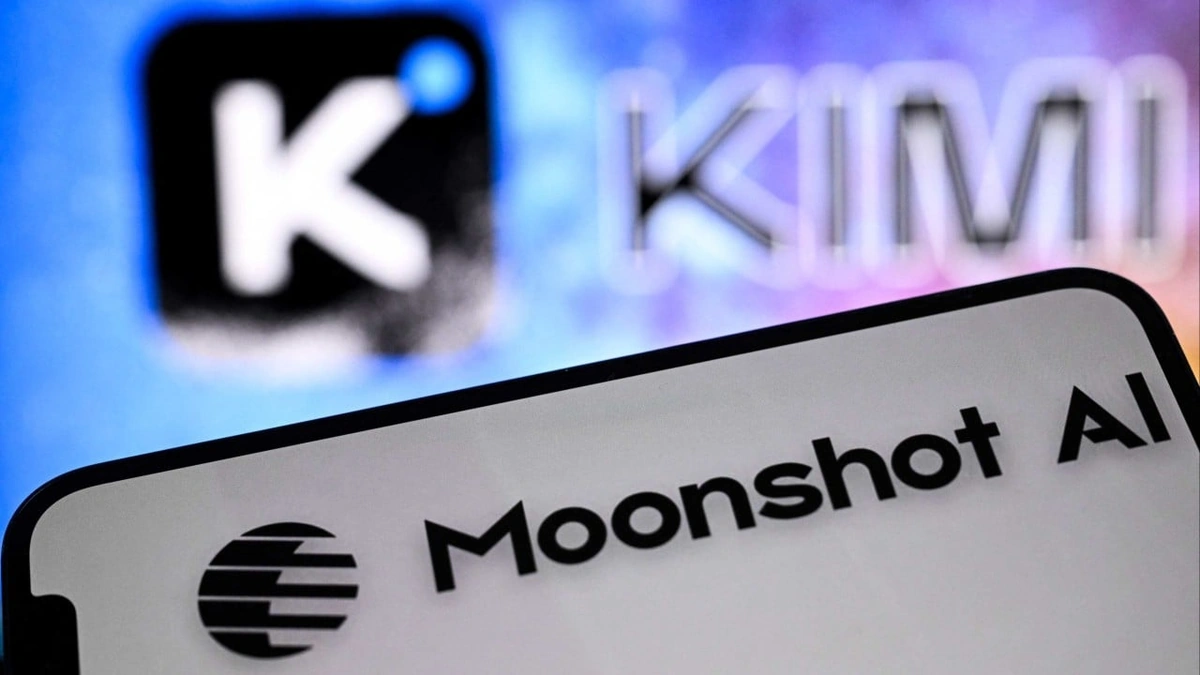
Chinese AI companies Tencent and Moonshot AI have removed cyber-hacking capabilities from their open-weight models. The move follows a series of security incidents involving artificial intelligence.
Major artificial intelligence firms in China have begun restricting the cybersecurity capabilities of their most advanced open-weight models. The decision, which took place earlier this month, follows a series of high-profile hacking incidents involving AI technology across both Chinese and United States markets.
Tencent Holdings confirmed that it has removed cyber-hacking capabilities from its latest Hy4 model. The company stated that while these offensive features have been stripped away, the model will continue to retain its cyber defence capabilities.
Similarly, Moonshot AI has taken action to limit its Kimi K3.1 Pro model. The company has moved to remove cyber-hacking tools from the software, marking a shift in how these developers manage the potential risks associated with open-weight artificial intelligence systems.
The industry-wide trend reflects growing concerns regarding the dual-use nature of large language models. As these tools become more sophisticated, the ability to perform automated cyberattacks has raised alarms among developers and regulators alike. By stripping out specific offensive functionalities, these companies aim to maintain the utility of their models for defensive and general purposes while mitigating the risk of misuse by malicious actors.
You may like
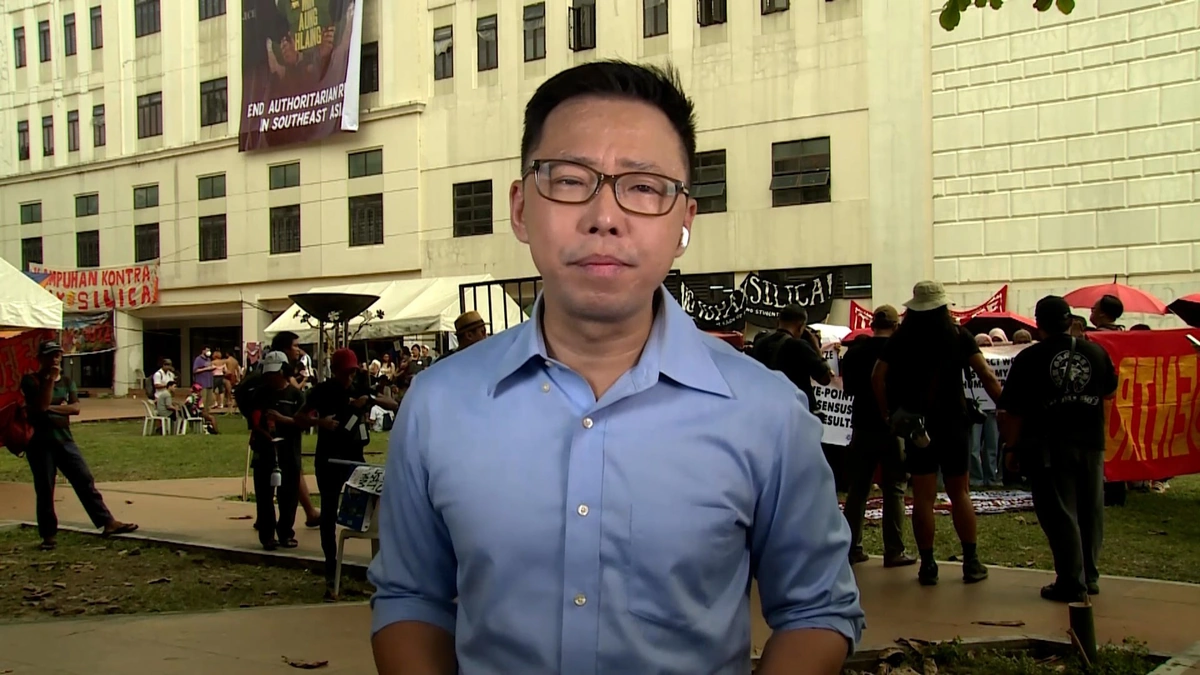
Protesters in Manila demonstrate against US policies and rising costs
November 15, 2026
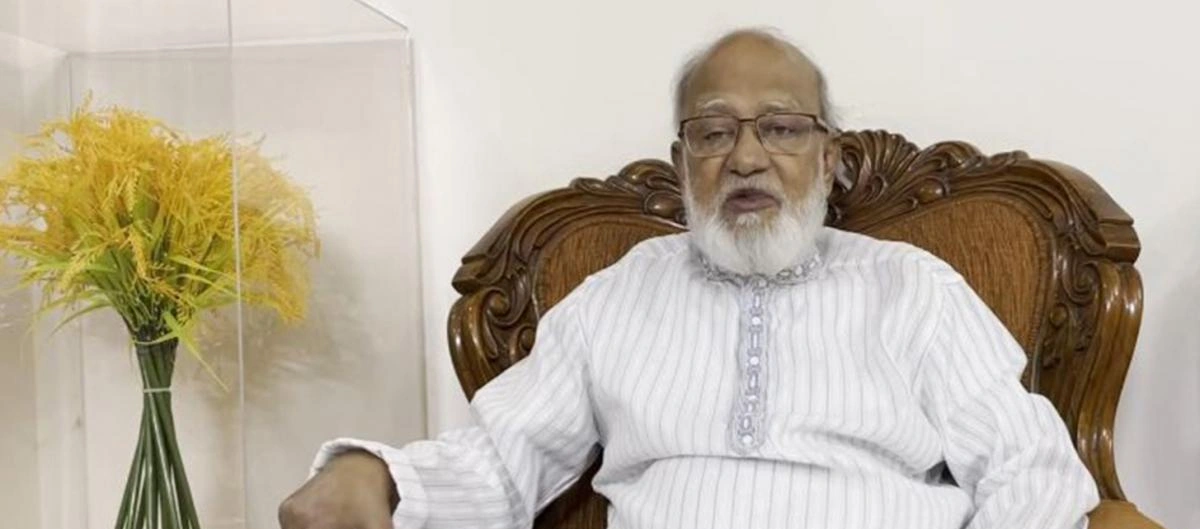
BNP leader Khandaker Mosharraf Hossain hospitalised in Singapore
November 15, 2026

Blacksand and Marriott sign SR5 billion deal for 1,300 Saudi hotel rooms
November 15, 2026

Vegetable prices fall in Dhaka as early winter produce reaches markets
November 15, 2026
Elected News
-
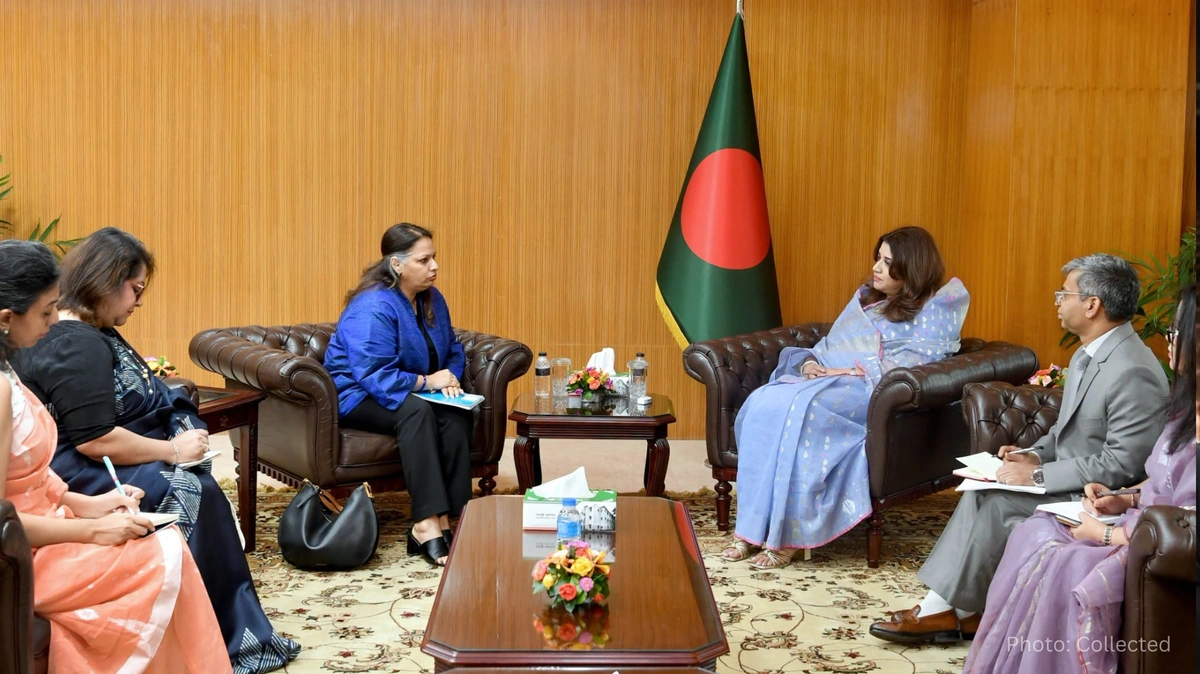
Bangladesh Seeks UN Women Support on Digital Harassment and Women’s Empowerment
-

Bangladesh, Australia Discuss Human Trafficking, Irregular Migration and Rohingya Crisis
-
Bangladesh Plans Internet-Free Access to Mobile Banking and Financial Apps
-

DU to Open Undergraduate Admission Applications on 11 November, Tests Begin 5 December


