Trump calls Venezuela an acquisition in Manila talks
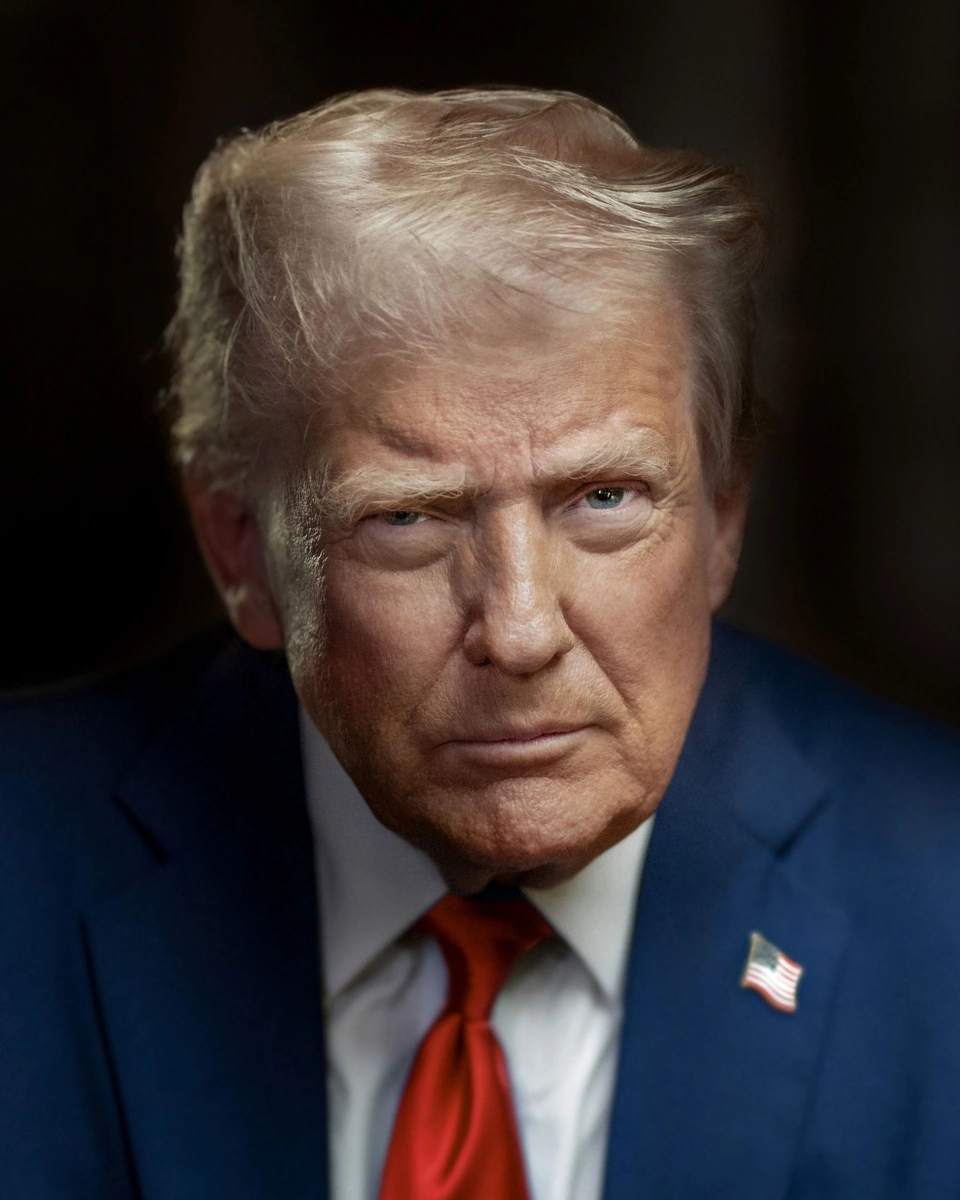
US President Donald Trump called Venezuela a US acquisition during talks in Manila. He discussed energy dominance and proposed pipeline and nuclear cooperation with the Philippines.
US President Donald Trump referred to Venezuela as a US "acquisition" during a meeting in Manila with Philippine President Ferdinand Marcos Jr on Nov 18. The statement formed part of a broader discussion on American energy dominance and the strategic partnership between the two nations. Trump used the meeting to outline plans for increased energy exports to the Philippines and other Pacific allies.
During the bilateral talks, Trump asserted that the United States possesses greater energy resources than any other nation. "We have more energy than any country in the world," he stated. He further claimed that the US is "much bigger" than Russia and Saudi Arabia combined, a comparison he used to contextualise the recent geopolitical shifts involving Venezuela.
The president explicitly described the recent US intervention in Venezuela as a strategic gain. "And then you add Venezuela, which was our new acquisition," Trump said. He reiterated the point, stating, "It was an acquisition, whether people like to say that or not." This language marks a distinct shift in how the administration frames its foreign policy actions in the Western Hemisphere.
Trump referenced the US military operation in January that resulted in the ouster of former Venezuelan strongman Nicolás Maduro. He described the conflict, or "whatever it may be," as lasting only 48 minutes. This brief duration was cited to underscore the efficiency of the US action and the subsequent stabilisation of the region under American influence.
Following Maduro’s removal from power, an agreement was reached that granted the United States majority control over a significant portion of Venezuela’s oil wealth. This arrangement has positioned the US as the primary beneficiary of Venezuelan crude production. The shift in control has significant implications for global oil markets and US energy policy.
To operationalise this control, North American Blue Energy Partners, a US government-backed producer of Venezuelan oil, has announced plans to expand operations. The company intends to more than double its crude oil output in just over two years. This expansion aims to integrate Venezuelan resources more fully into the US energy supply chain, reducing reliance on other global producers.
Turning to the Pacific region, Trump highlighted infrastructure projects designed to benefit US allies. He spoke favourably of plans for a major new pipeline in Alaska. The pipeline is intended to export "affordable, abundant supplies of energy" to partners across the Pacific. Trump identified the Philippines as a key beneficiary of this infrastructure.
"The Philippines would be a very natural partner in this effort," Trump said, linking the Alaska pipeline directly to Manila’s energy needs. This proposal aligns with the US strategy of deepening economic ties with Southeast Asian nations. It also serves to counterbalance the influence of other major powers in the region.
The energy discussion extended to nuclear technology, where Trump proposed a new dimension of collaboration. He encouraged the Philippines to adopt American technology for its first modern nuclear project. "For the Philippines to embrace American technology in its first modern nuclear project would underscore the strength of the important relationship," he stated.
Trump added that the US and the Philippines were likely to undertake "something very big" in the nuclear sector. This suggests a potential long-term partnership in civil nuclear energy, which could include reactor technology, fuel supply, and regulatory cooperation. Such a move would mark a significant milestone in the bilateral relationship.
The Philippines, a longstanding treaty ally of the United States, faces urgent energy challenges that make these proposals relevant. The country’s main gas field, Malampaya, has been depleting, creating pressure on the national power grid. This field has historically fuelled a fifth of the country’s power plants, making its decline a critical issue for energy security.
In response to the dwindling production at Malampaya, the Philippines began importing liquefied natural gas for the first time in 2023. This shift marked a turning point in the country’s energy policy, moving from self-sufficiency to dependency on external supplies. The new imports are essential to maintain stability in the power sector.
The meeting in Manila thus served a dual purpose: reaffirming the security alliance between the two nations and establishing a new framework for energy cooperation. By framing Venezuela as an acquisition and positioning the US as the primary energy provider for the Pacific, Trump sought to project American strength and reliability. The discussions set the stage for future negotiations on pipeline access and nuclear technology transfer.
The Philippines’ acceptance of these proposals will depend on domestic political dynamics and economic viability. However, the depletion of local gas reserves has left Manila with few alternatives. The US offer of abundant energy supplies and advanced nuclear technology presents a compelling option for ensuring long-term energy security. The outcome of these talks will likely influence regional energy markets and geopolitical alignments in the coming years.
The characterization of Venezuela as an acquisition by the US President highlights the aggressive tone of recent American foreign policy in the region. The term suggests a transactional view of sovereignty, where geopolitical influence is exchanged for economic control. This framing contrasts with traditional diplomatic language that emphasises partnership and mutual respect. It reflects a broader trend in US policy under the current administration, which prioritises direct economic gains from strategic assets.
The 48-minute duration of the operation to depose Nicolás Maduro, as stated by Trump, underscores the rapidity of the change in power. Such a swift transition has raised questions about the stability of the new leadership in Venezuela and the long-term implications for the country’s political landscape. The US government’s involvement in securing a majority control of oil wealth indicates a deepening of economic entanglement with the Venezuelan state.
North American Blue Energy Partners’ plan to double crude output is a significant industrial undertaking. The company’s status as a US government-backed entity suggests that the expansion is not merely a commercial venture but a strategic national project. The increased production will likely affect global oil prices and supply chains, particularly in regions dependent on Venezuelan crude.
The proposed Alaska pipeline represents a major infrastructure investment aimed at facilitating energy exports to the Pacific. The pipeline’s capacity to deliver "affordable, abundant supplies" positions the US as a key energy supplier to Asian and Pacific nations. This move is part of a broader strategy to reduce the region’s dependence on Middle Eastern and Russian energy sources.
The Philippines’ interest in the pipeline is driven by its immediate energy needs. The depletion of the Malampaya gas field has left the country vulnerable to energy shortages. Importing liquefied natural gas since 2023 has provided a temporary solution, but long-term security requires diversified and reliable supply sources. The US offer of pipeline access provides a potential pathway to stabilising the national power grid.
The nuclear energy collaboration proposed by Trump offers a long-term solution to the Philippines’ energy challenges. The adoption of American technology for the country’s first modern nuclear project would mark a significant technological leap. It would also deepen the strategic partnership between the two nations, extending it beyond military and economic domains into the realm of advanced energy technology.
The meeting in Manila has set the tone for future US-Philippines relations in the energy sector. The discussions have laid the groundwork for detailed negotiations on pipeline construction, nuclear technology transfer, and energy trade agreements. The outcomes of these negotiations will have far-reaching implications for regional energy markets and geopolitical dynamics.
The US President’s statements in Manila have drawn attention to the shifting balance of power in the Indo-Pacific region. By positioning the US as a dominant energy provider, the administration seeks to strengthen its alliances and counter the influence of rival powers. The Philippines, as a key US ally in the region, is at the centre of this strategic realignment.
The energy dialogue in Manila highlights the complex interplay between security and economic interests in international relations. The US offer of energy resources is not merely a commercial transaction but a strategic tool to reinforce its alliances. The Philippines’ acceptance of these proposals will depend on its ability to balance its energy needs with its broader geopolitical interests.
The meeting also underscores the importance of energy security in the modern geopolitical landscape. As countries around the world seek to diversify their energy sources, the US is positioning itself as a reliable and abundant supplier. The Philippines’ engagement with the US on energy issues reflects a broader trend of nations seeking to secure their energy futures through strategic partnerships.
The characterisation of Venezuela as an acquisition and the emphasis on US energy dominance reflect a confident and assertive approach to foreign policy. The US President’s statements in Manila signal a willingness to use economic leverage to achieve strategic objectives. This approach has implications for how other nations perceive and interact with the United States in the coming years.
The energy plans outlined in Manila are part of a comprehensive strategy to enhance US influence in the Pacific. The combination of pipeline infrastructure, nuclear technology, and increased oil production creates a robust framework for energy cooperation. This framework aims to ensure that the US remains a central player in the region’s energy landscape.
The Philippines’ response to these proposals will be closely watched by regional and global observers. The country’s decision to engage with the US on energy issues will have significant implications for its domestic policy and its relationships with other major powers. The outcome of the Manila talks will shape the future of energy cooperation in the Indo-Pacific region.
The US President’s meeting with Philippine President Ferdinand Marcos Jr in Manila has concluded with a clear message: the United States is committed to deepening its energy ties with the Philippines. The discussions have laid the foundation for a new era of cooperation, driven by mutual strategic and economic interests. The coming months will see the implementation of these plans, with potential impacts on global energy markets and regional stability.
You may like

ONE Bank signs BDT 20bn pre-finance deal with Bangladesh Bank
November 18, 2026

India beat Pakistan 2-1 in Dhaka to win third straight SAFF title
November 18, 2026

Renata PLC launches Parkinson's drug in Netherlands
November 18, 2026
Elected News
-
Bangladesh Seeks UN Women Support on Digital Harassment and Women’s Empowerment
-

Bangladesh, Australia Discuss Human Trafficking, Irregular Migration and Rohingya Crisis
-

Bangladesh Plans Internet-Free Access to Mobile Banking and Financial Apps
-

DU to Open Undergraduate Admission Applications on 11 November, Tests Begin 5 December


