Bulgaria govt steps down in student-mass protests
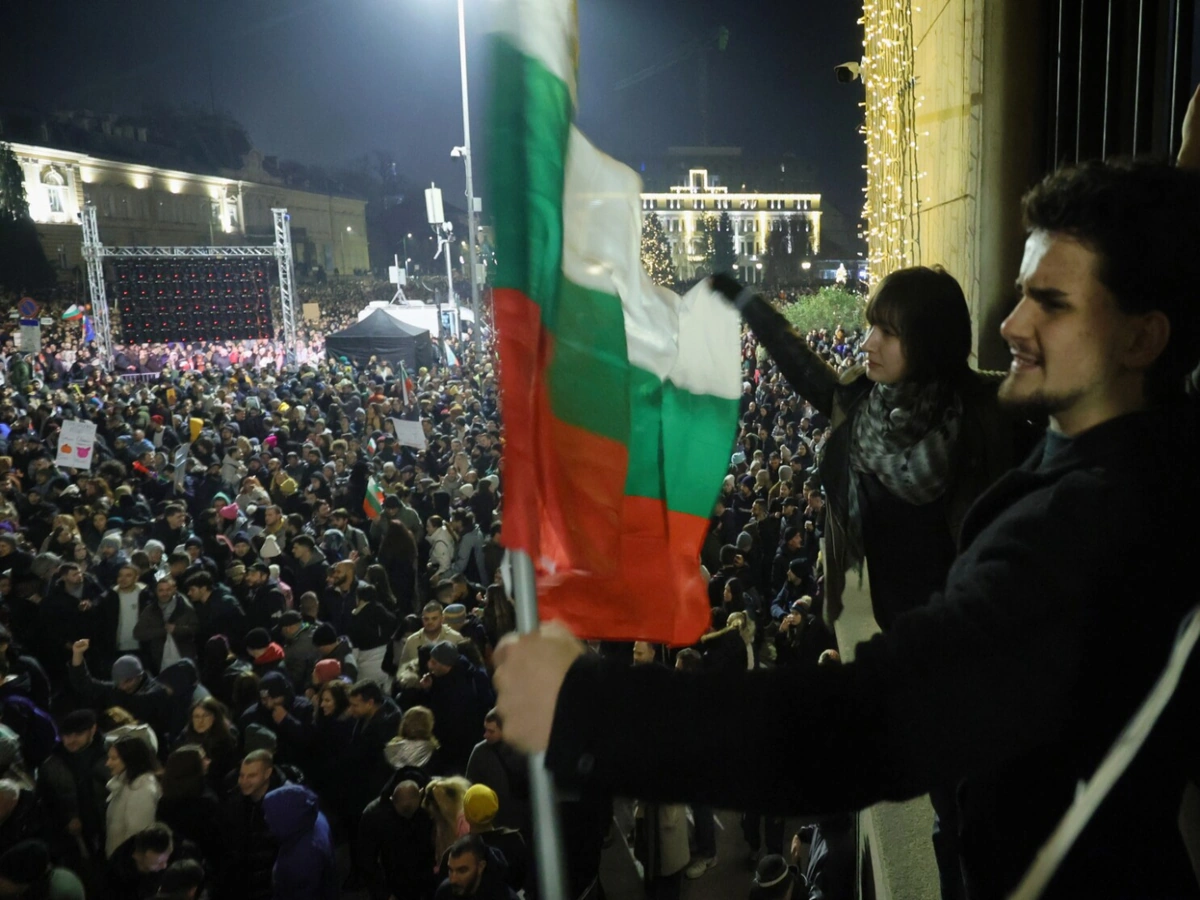
University students from Sofia joined the rallies, which organizers said were larger than last week’s demonstrations of more than 50,000 people.
Bulgaria’s government announced its resignation yesterday amid widespread protests, just weeks before the country is set to adopt the euro.
The minority coalition, led by the center-right GERB party, stepped down shortly before parliament was to vote on a no-confidence motion brought by the opposition. The motion cited economic mismanagement and public dissatisfaction with persistent corruption.
“Before today’s no-confidence vote, the government is stepping down,” Prime Minister Rosen Zhelyazkov said in parliament.
The protests, which began last week over proposed higher taxes, increased social security contributions, and planned government spending, escalated after the controversial 2026 budget was withdrawn. The demonstrators’ demands grew to include calls for the entire government to resign.
“The decisions of the National Assembly matter most when they reflect the will of the people,” Zhelyazkov stated, referencing the ongoing protests. “We want to align with society’s expectations.”
University students from Sofia joined the rallies, which organizers said were larger than last week’s demonstrations of more than 50,000 people. Media estimates, based on drone footage, suggested the crowd exceeded 100,000 participants.
Protesters have expressed frustration over the influence of Bulgarian politician and oligarch Delyan Peevski, sanctioned by both the U.S. and U.K., whose MRF New Beginning party supports the government. Critics accuse Peevski of shaping policy to serve oligarchic interests.
“The government is likely to face the no-confidence vote with support, but what matters most are the decisions that reflect the will of the people,” Zhelyazkov said.
Since taking office in January, Zhelyazkov’s government survived six no-confidence votes. This time, however, the unprecedented street turnout shifted the balance.
The resignation will be formally submitted to parliament on Friday, which must then vote to approve it. Following that, President Rumen Radev will give the largest parliamentary group a chance to form a new government. If they fail, the second-largest group will be given an opportunity. Should all attempts fail, a caretaker government will be appointed until new elections are held. Analysts predict that another election—likely the eighth since 2021—could result in a similarly divided parliament, making the formation of a stable government challenging.
Opposition leader Assen Vassilev of the We Continue the Change-Democratic Bulgaria coalition called the resignation “an important first step toward making Bulgaria a normal European country.” He emphasized the need for “free and fair elections, rather than flawed ones influenced by manipulation, as in the previous campaign.”
Bulgaria, a Balkan nation of 6.4 million people, is scheduled to replace its lev currency with the euro on January 1, becoming the eurozone’s 21st member. The country joined the European Union in 2007.
Related News
You may like




Tom Holland Says Marvel Has a Plan for the Next Spider-Man
August 1, 2026
Elected News
-
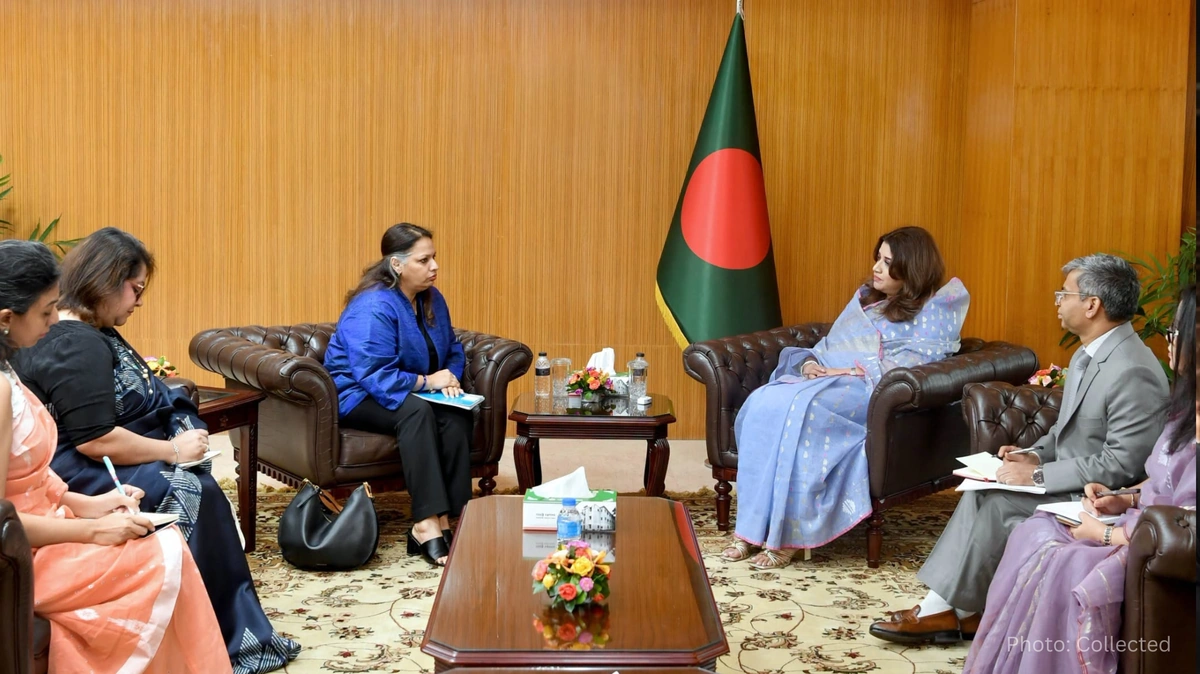
Bangladesh Seeks UN Women Support on Digital Harassment and Women’s Empowerment
-
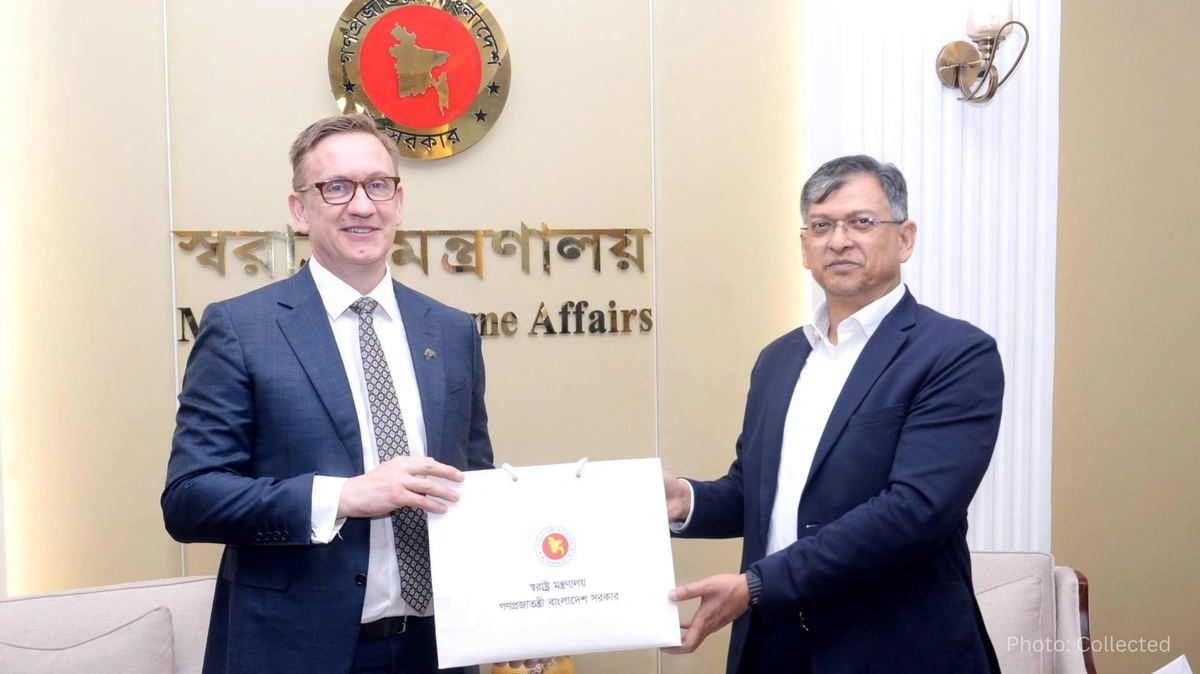
Bangladesh, Australia Discuss Human Trafficking, Irregular Migration and Rohingya Crisis
-

Bangladesh Plans Internet-Free Access to Mobile Banking and Financial Apps
-
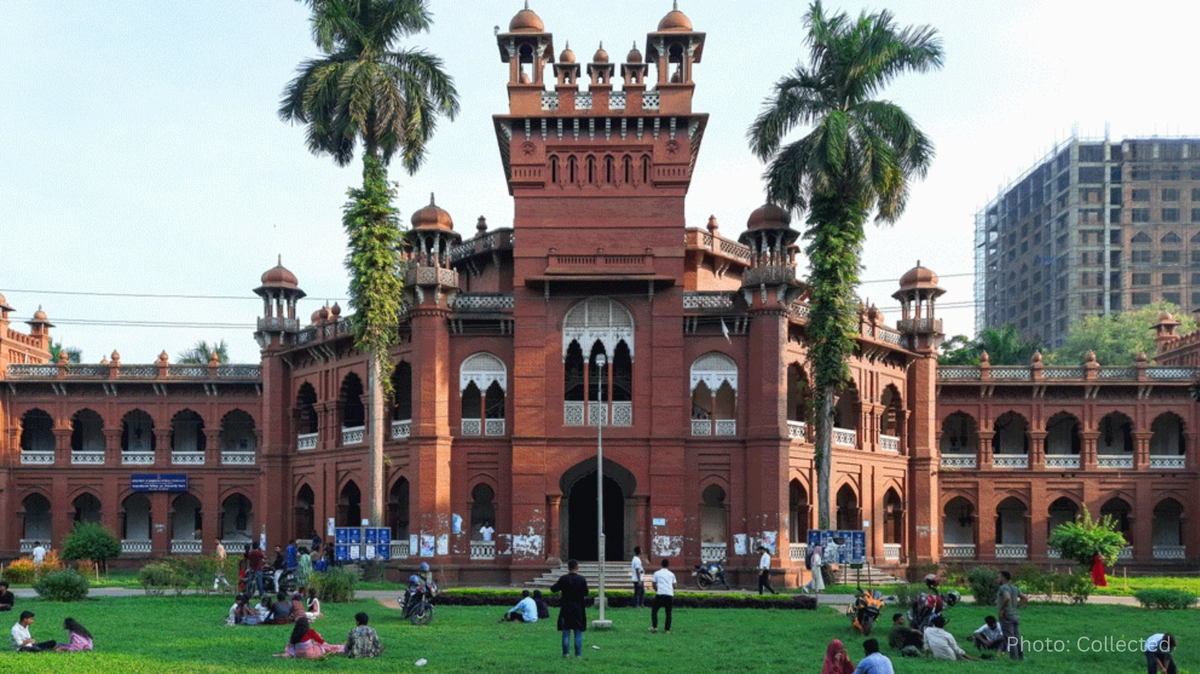
DU to Open Undergraduate Admission Applications on 11 November, Tests Begin 5 December


