China ‘reportedly’ used India-Pak conflict to test its weapons
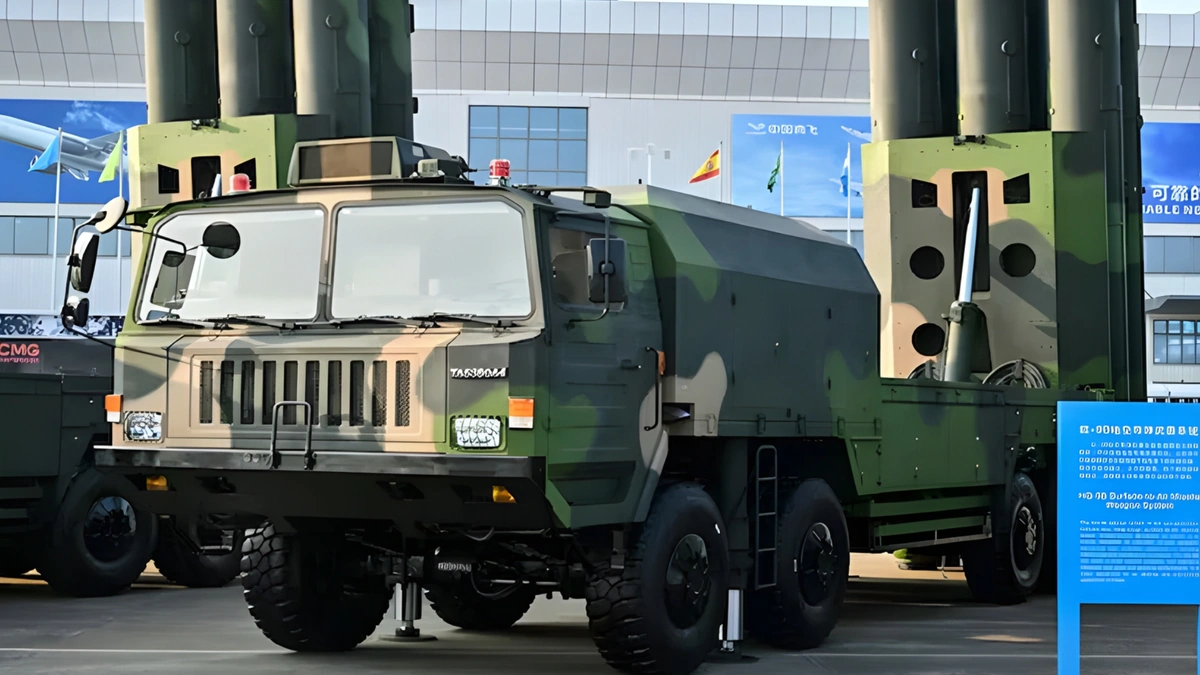
China "opportunistically" used the India-Pakistan conflict in May to "test and promote" its defence capabilities, a bipartisan US commission has said in its annual report, reports NDTV.
The report by the US-China Economic and Security Review Commission, published on Tuesday, said that Beijing leveraged the four-day conflict to "test and advertise the sophistication of its weapons, useful in the contexts of its ongoing border tensions with India and its expanding defence industry goals".
"This clash was the first time China's modern weapons systems, including the HQ-9 air defence system, PL-15 air-to-air missiles, and J-10 fighter aircraft were used in active combat, serving as a real-world field experiment," the report said.
China then reportedly offered to sell 40 J-35 fifth-generation fighter jets, KJ-500 aircraft, and ballistic missile defence systems to Pakistan in June, the report said.
In the weeks after the conflict, Chinese embassies also praised the "successes" of its systems in the India-Pakistan clash, seeking to "bolster weapons sales", the report, which is based on committee hearings and research that includes publicly available information and media reports, said.
The report also said that characterisation of the May conflict as a "proxy war" would overstate China's role as an "instigator".
China Ran Campaign To Discredit Rafale Jet After India-Pak Conflict
China also ran a disinformation campaign to discredit the French Rafale fighter jet after the India-Pakistan conflict, the report said.
"According to French intelligence, China initiated a disinformation campaign to hinder sales of French Rafales in favour of its own J-35s, and it used fake social media accounts to propagate AI and video game images of supposed "debris" from the planes China's weaponry destroyed," the report said.
It said that Chinese embassy officials convinced Indonesia to halt a purchase of Rafale jets already in process.
China, however, called the report "false".
"The report issued by the committee itself is false," Chinese foreign ministry spokesperson Mao Ning told Reuters.
"The committee you mentioned has always held an ideological bias against China and has no credibility at all," Mao added.
Tensions between India and Pakistan increased following a terror attack in Jammu and Kashmir's Pahalgam on April 22, which left 26 people dead.
India found cross-border links to the attack and launched 'Operation Sindoor' on May 7. It struck multiple terror camps in Pakistan and Pakistan-occupied Kashmir (PoK).
Pakistan then launched a massive missile and drone attack, but the threats were thwarted.
In retaliation, Indian forces struck airfields in Pakistan. A ceasefire on May 10 ended the hostilities.
Related News
You may like




Tom Holland Says Marvel Has a Plan for the Next Spider-Man
August 1, 2026
Elected News
-
Bangladesh Seeks UN Women Support on Digital Harassment and Women’s Empowerment
-

Bangladesh, Australia Discuss Human Trafficking, Irregular Migration and Rohingya Crisis
-

Bangladesh Plans Internet-Free Access to Mobile Banking and Financial Apps
-

DU to Open Undergraduate Admission Applications on 11 November, Tests Begin 5 December


