Eight-Year-Old Hindu Student Withdrawn From London School After Alleged Discrimination Over Tilak
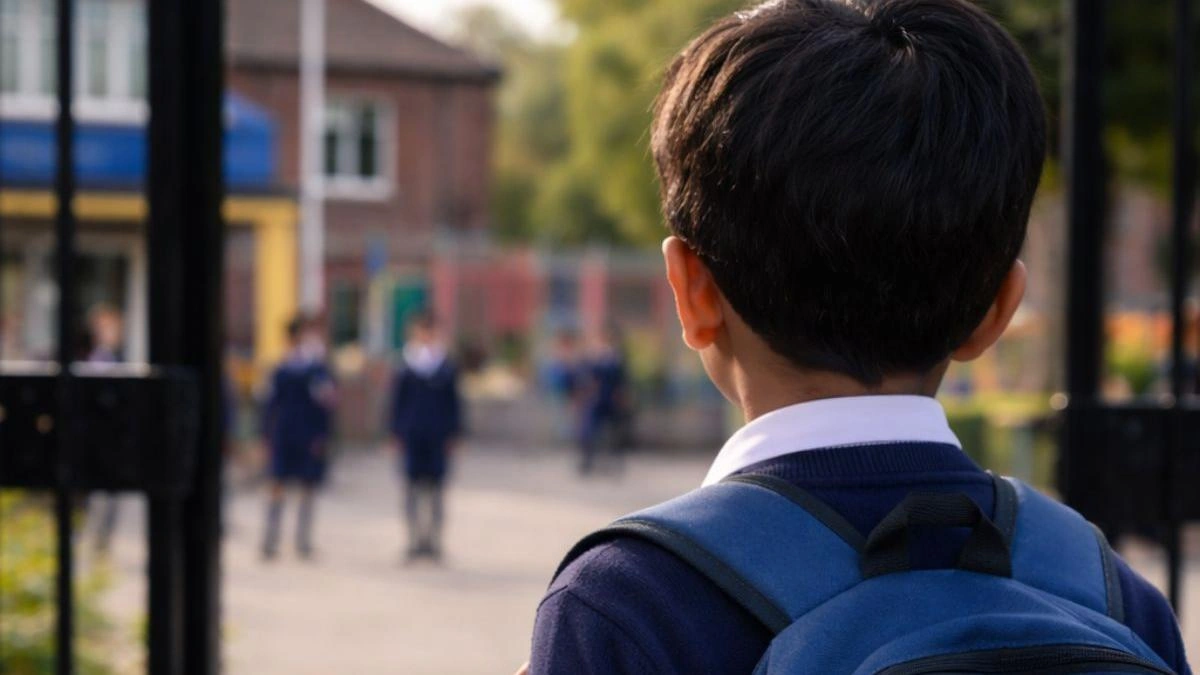
Concerns raised over possible violations of the UK's Equality Act and lack of sensitivity to religious practices in schools
An eight-year-old Hindu student in London has reportedly withdrawn from Vicar’s Green Primary School after experiencing alleged discrimination for wearing a Tilak-Chandlo, a sacred forehead mark worn by many Hindus. The incident has raised serious concerns about religious freedom, inclusivity, and adherence to the UK's Equality Act 2010, which protects individuals from discrimination based on religion or belief.
According to Insight UK, a British organization that advocates for Hindu community issues, the child was repeatedly questioned by school staff about his religious practices, particularly the Tilak-Chandlo, and was placed under close monitoring. He was also reportedly removed from certain classroom responsibilities. These actions made the child feel uncomfortable and singled out, leading his parents to withdraw him from the school for the sake of his emotional wellbeing.
“Singled Out and Monitored”: Parents Raise Alarm
Insight UK has alleged that the school's treatment of the child went beyond normal pastoral care. The boy was reportedly asked why he wore the Tilak-Chandlo and whether it was “necessary,” questions that his family felt were inappropriate for a child of his age. Over time, the parents noticed changes in their son's behavior, including anxiety about attending school and fear of being reprimanded for practicing his faith.
The family found the environment “hostile and intimidating,” and Insight UK emphasized that religious symbols like the Tilak-Chandlo are integral to Hindu identity and spirituality. The group further noted that the parents attempted to engage with the school but felt their concerns were met with a lack of seriousness or empathy.
Community Group Flags Possible Legal Violations
The case has sparked wider discussions on the UK's Equality Act 2010, which requires schools to avoid direct or indirect discrimination based on religion. Insight UK argues that the actions taken against the child, including excessive scrutiny and exclusion from regular school activities, could amount to indirect discrimination.
The group also claims that this is not an isolated case, with several other Hindu students allegedly leaving the same school due to similar concerns. The lack of a public comment from the school has intensified calls for a transparent inquiry and clearer guidelines on accommodating religious expression in schools.
Understanding the Tilak-Chandlo and Its Significance
For many Hindus, the Tilak or Chandlo is a deeply meaningful symbol of faith, spirituality, and cultural identity. It is often worn during prayers, festivals, and daily routines. Community leaders argue that a lack of awareness about such religious practices can lead to misunderstandings and exclusion, especially when children are discouraged from expressing their faith.
Experts emphasize that schools should play a pivotal role in fostering respect for diversity. When children feel discouraged from embracing their cultural or religious identities, it can lead to long-term effects on their confidence and sense of belonging.
Wider Concerns About Inclusivity in Schools
This case has ignited broader concerns about inclusivity and multiculturalism in British schools. While the UK celebrates diversity, minority communities have consistently raised concerns about the inconsistent application of equality protections in educational settings. Critics argue that policies promoting inclusion often fail to be implemented effectively due to a lack of training and awareness among school staff.
Advocacy groups are now calling on education authorities to provide clear guidelines and regular sensitivity training to school staff, ensuring that religious symbols and practices are respected and understood rather than viewed with suspicion.
Silence from Authorities, Calls for Accountability
As of now, there has been no detailed response from Vicar’s Green Primary School or local education authorities regarding the allegations. This silence has fueled frustration among community members, who are calling for transparency and accountability.
Legal experts suggest that if the allegations are proven, this case could set an important precedent in how schools handle religious expression and may prompt renewed scrutiny on the enforcement of the Equality Act 2010 in school environments.
The Logical Indian’s Perspective
At The Logical Indian, we believe that schools should be spaces where children feel safe to express themselves, proud of their identity, and comfortable practicing their faith. When a child is made to feel different or unwelcome for peacefully practicing their religion, it reflects a failure in both policy and empathy.
In a diverse and multicultural world, true inclusion must go beyond superficial policies. It must be actively nurtured every day, especially in classrooms where the minds of the next generation are shaped.
Related News
You may like


Tom Holland Says Marvel Has a Plan for the Next Spider-Man
August 1, 2026
Elected News
-
Bangladesh Seeks UN Women Support on Digital Harassment and Women’s Empowerment
-
Bangladesh, Australia Discuss Human Trafficking, Irregular Migration and Rohingya Crisis
-
Bangladesh Plans Internet-Free Access to Mobile Banking and Financial Apps
-
DU to Open Undergraduate Admission Applications on 11 November, Tests Begin 5 December


