EU Suspends GSP Benefits for Indian Exports, Impacting Key Sectors
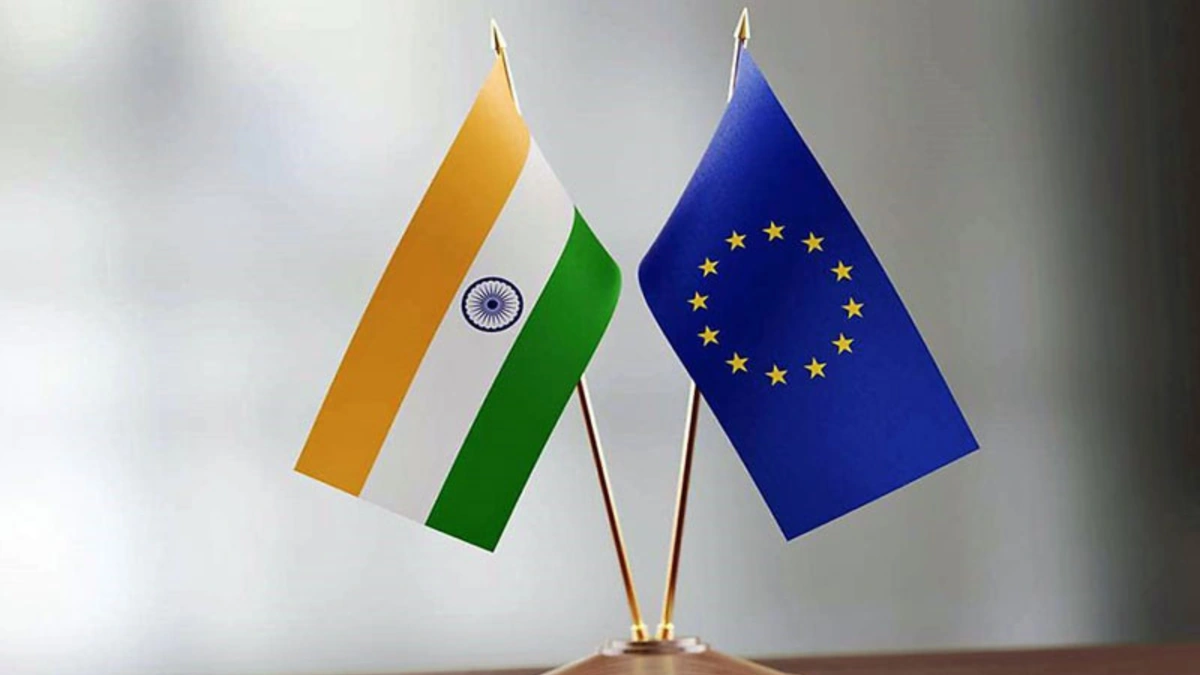
The European Union has suspended preferential market access for most Indian exports under the Generalised System of Preferences (GSP), a move expected to significantly impact Indian exporters across key industrial sectors.
On 25 September 2025, the European Commission issued a regulation withdrawing GSP benefits for selected products from India, Indonesia, and Kenya, effective from 1 January 2026. The decision will remain in place until 31 December 2028.
As a result, Indian exporters will now face higher import duties in the EU market. The Global Trade Research Initiative (GTRI) estimates that 87% of Indian exports to the EU will now be subject to full Most Favoured Nation (MFN) tariff rates, up from the previous lower GSP rates. Only 13% of products, primarily agricultural and leather goods, will continue to enjoy GSP benefits.
Key Sectors Affected
The EU has withdrawn GSP benefits across a range of major industrial sectors, including:
-
Minerals
-
Chemicals, plastics, and rubber
-
Textiles and garments
-
Stone and ceramics
-
Precious metals
-
Iron and steel
-
Base metals
-
Machinery and electrical equipment
-
Transport equipment
-
These sectors represent the backbone of India’s exports to the European market. The suspension of GSP benefits follows phased reductions in 2013 and 2023, with the latest regulation fully withdrawing GSP access for the 2026-2028 period.
Impact on Trade and Competitiveness
India’s bilateral trade with the EU was valued at $136.53 billion in the 2024-25 fiscal year, with Indian exports to the EU totaling $75.85 billion. 17% of India’s total exports go to the EU, making it one of the largest export destinations for Indian goods.
Ajay Srivastava, founder of GTRI, cautioned that short-term challenges for Indian exporters will intensify, particularly as the EU’s Carbon Border Adjustment Mechanism (CBAM) enters its taxation phase, impacting industries that rely heavily on carbon-intensive production.
The Federation of Indian Export Organisations (FIEO) Director General, Ajay Sahai, stressed that the removal of GSP benefits would reduce India’s competitiveness, particularly against countries like Bangladesh and Vietnam, whose exports continue to receive duty-free or reduced-tariff access to the EU market.
The EU's decision is a significant blow to Indian exports, making it even more critical for India to accelerate negotiations for a Free Trade Agreement (FTA) with the EU to mitigate the impacts of this change.
Related News
You may like



Tom Holland Says Marvel Has a Plan for the Next Spider-Man
August 1, 2026
Elected News
-
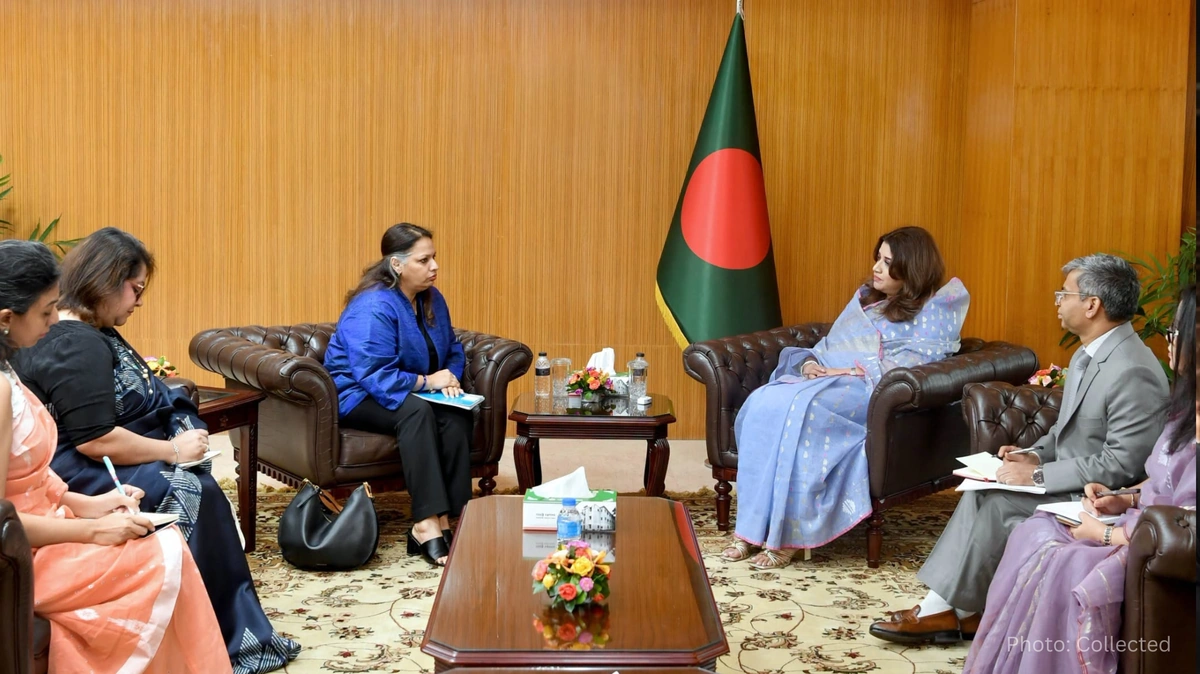
Bangladesh Seeks UN Women Support on Digital Harassment and Women’s Empowerment
-
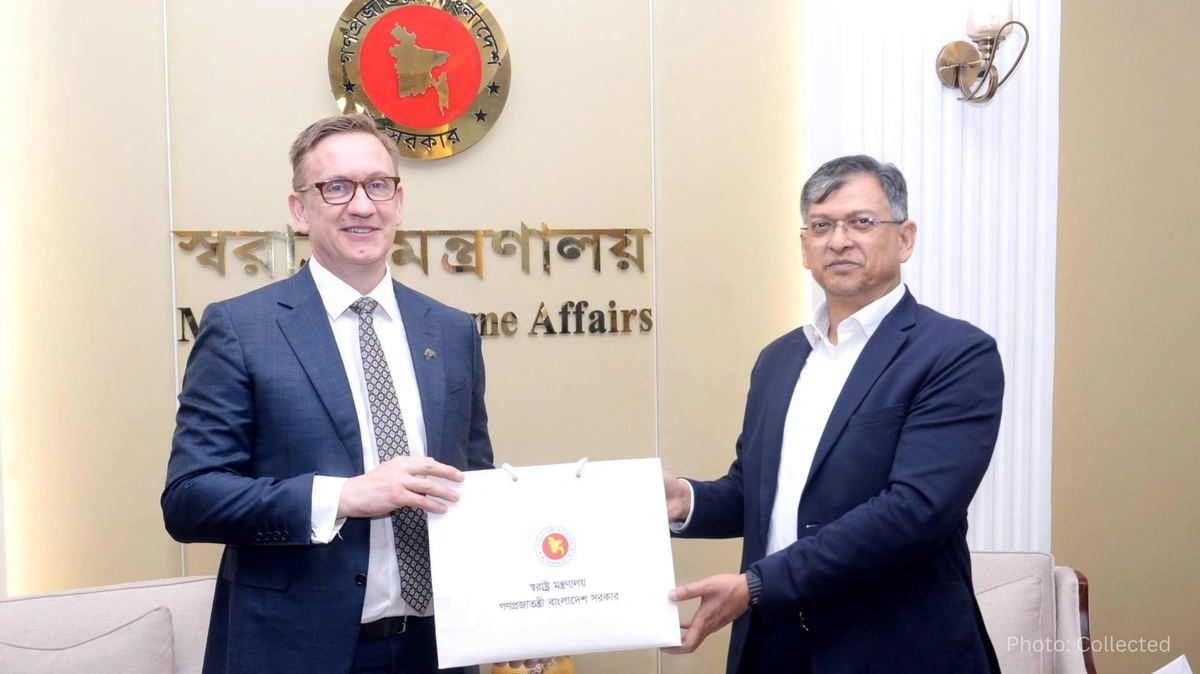
Bangladesh, Australia Discuss Human Trafficking, Irregular Migration and Rohingya Crisis
-
Bangladesh Plans Internet-Free Access to Mobile Banking and Financial Apps
-

DU to Open Undergraduate Admission Applications on 11 November, Tests Begin 5 December


