Iran says Larijani killing will not destabilise state system
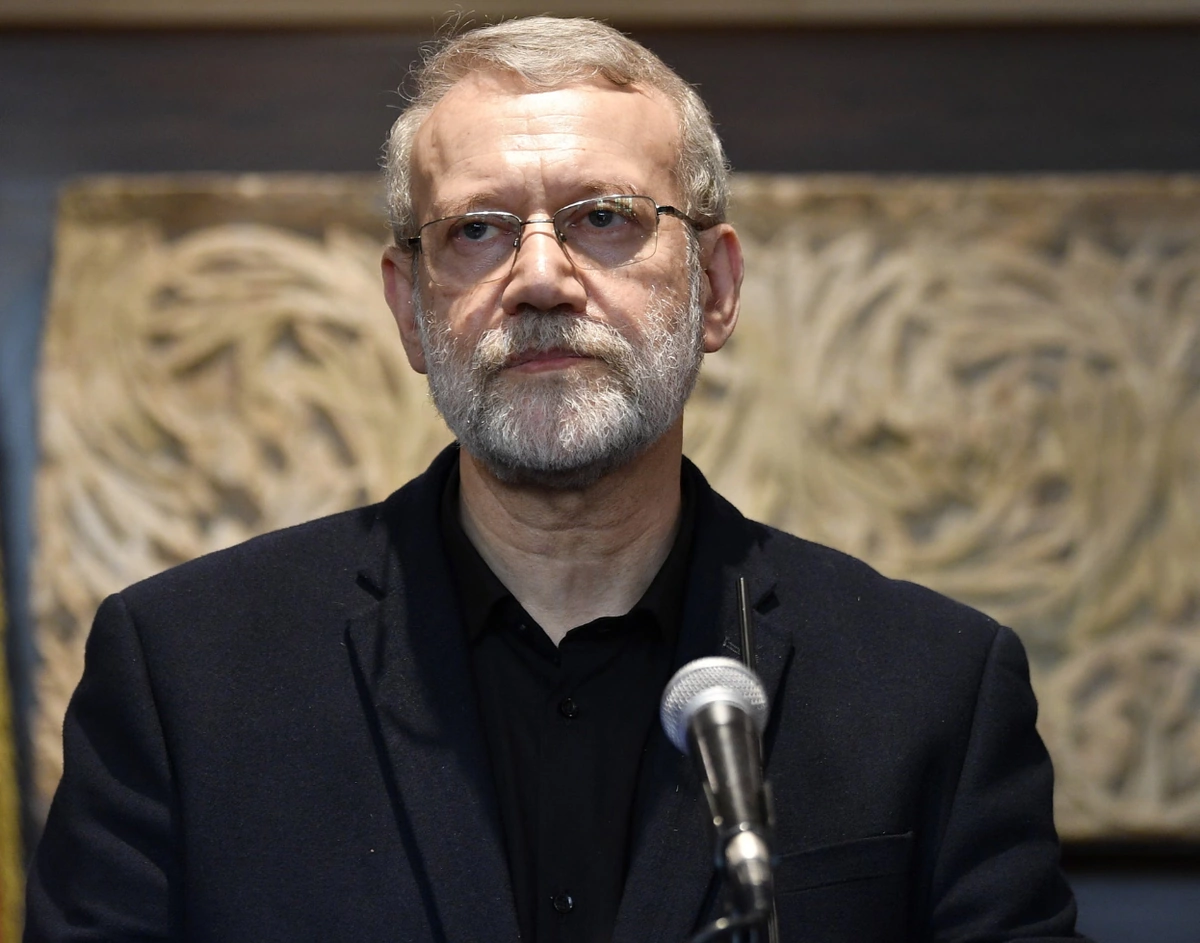
Iran’s foreign minister has said the killing of Ali Larijani, one of the country’s most senior security officials, will not deal a decisive blow to the Islamic Republic’s leadership, insisting the state’s political system is built on institutions rather than any one individual.
Araghchi said individuals play important roles inside the state, but added that the country’s governing structure remains intact regardless of who is removed. He pointed to the continuation of the system after the death of former supreme leader Ayatollah Ali Khamenei, saying Iran’s institutions had continued to function and had moved quickly to fill the leadership vacuum.
Larijani, 67, was one of the most influential figures in Iranian politics and security. Reuters described him as a central backroom powerbroker who held several key roles over decades, including culture minister, head of state broadcasting, parliament speaker from 2008 to 2020, and chief nuclear negotiator. He had also served as secretary of Iran’s Supreme National Security Council and was regarded as a close ally of the late Ayatollah Ali Khamenei.
Iranian and international reports said Larijani was killed in an air strike near Tehran. Reuters reported that Iranian media confirmed his death after earlier uncertainty over his fate, while Associated Press said Iranian authorities later acknowledged the killing as part of a widening regional conflict involving Israel and the United States.
His death came alongside reports of another major loss for Tehran. Al Jazeera said Brigadier General Gholamreza Soleimani, commander of Iran’s Basij militia, was also killed in what Iranian officials described as an attack by the “American Zionist enemy”. AP also reported that the two deaths triggered a fresh wave of Iranian missile and drone attacks across the region.
Despite the high profile assassinations, outside reporting suggests Iran’s ruling structure remains in place. Reuters reported earlier this month that the Islamic Revolutionary Guard Corps had tightened its grip on wartime decision making even after suffering major leadership losses, underscoring how the state has continued to operate under pressure. The Washington Post also reported, citing US intelligence, that Iran’s regime remained intact and was consolidating power rather than fragmenting.
Larijani’s killing is still widely seen as a major setback for Tehran. Reuters called him the most important political figure killed in the conflict since the opening phase of the war, while AP described him as one of Iran’s most powerful officials and a central player in national security and nuclear diplomacy. Even so, Araghchi’s remarks signaled Tehran’s effort to project continuity and state resilience as the conflict deepens.
Related News
You may like




Tom Holland Says Marvel Has a Plan for the Next Spider-Man
August 1, 2026
Elected News
-
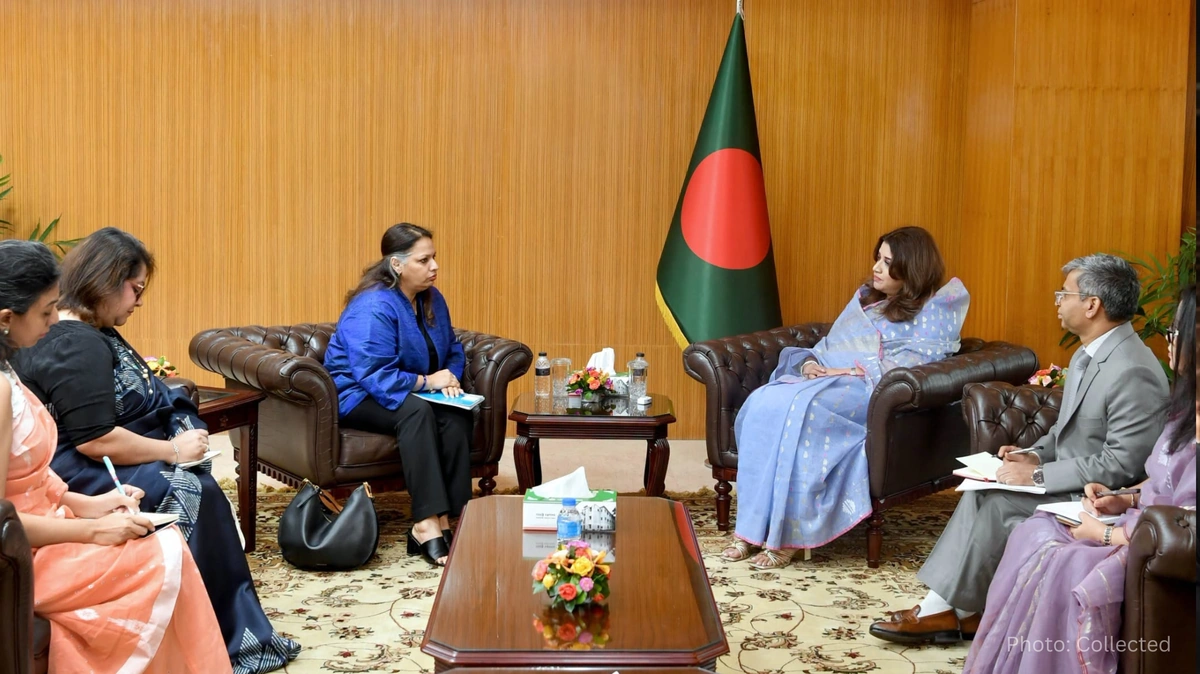
Bangladesh Seeks UN Women Support on Digital Harassment and Women’s Empowerment
-
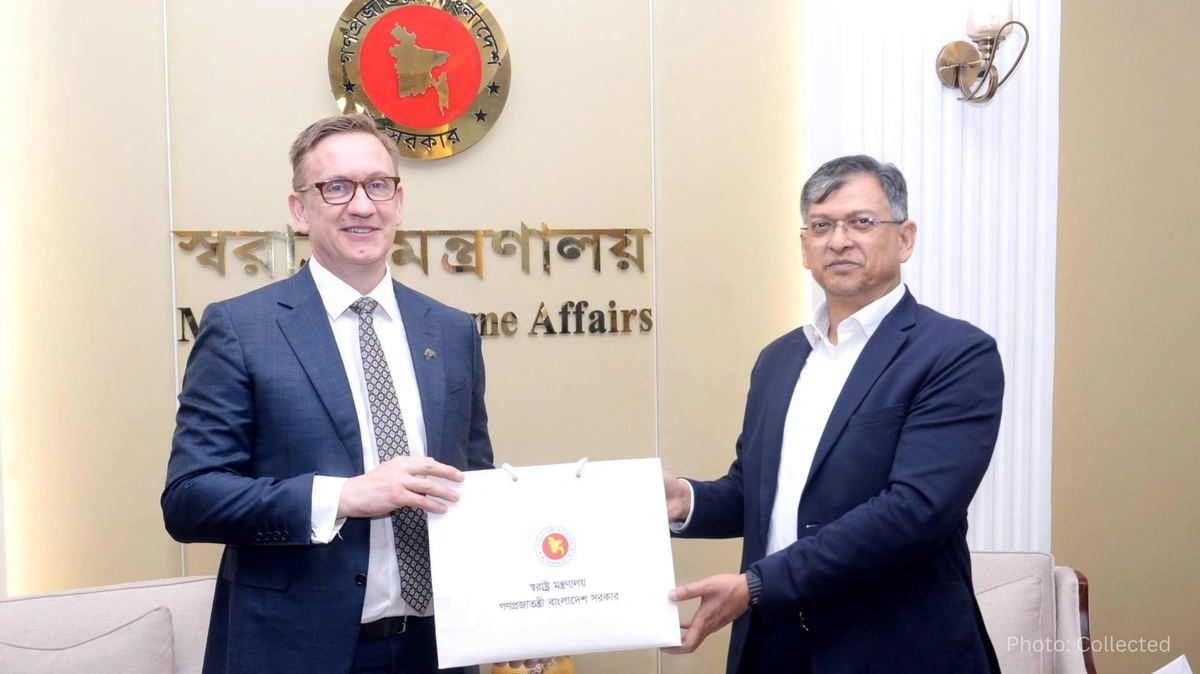
Bangladesh, Australia Discuss Human Trafficking, Irregular Migration and Rohingya Crisis
-

Bangladesh Plans Internet-Free Access to Mobile Banking and Financial Apps
-
DU to Open Undergraduate Admission Applications on 11 November, Tests Begin 5 December


