Is Trump preparing to launch an attack on Venezuela?
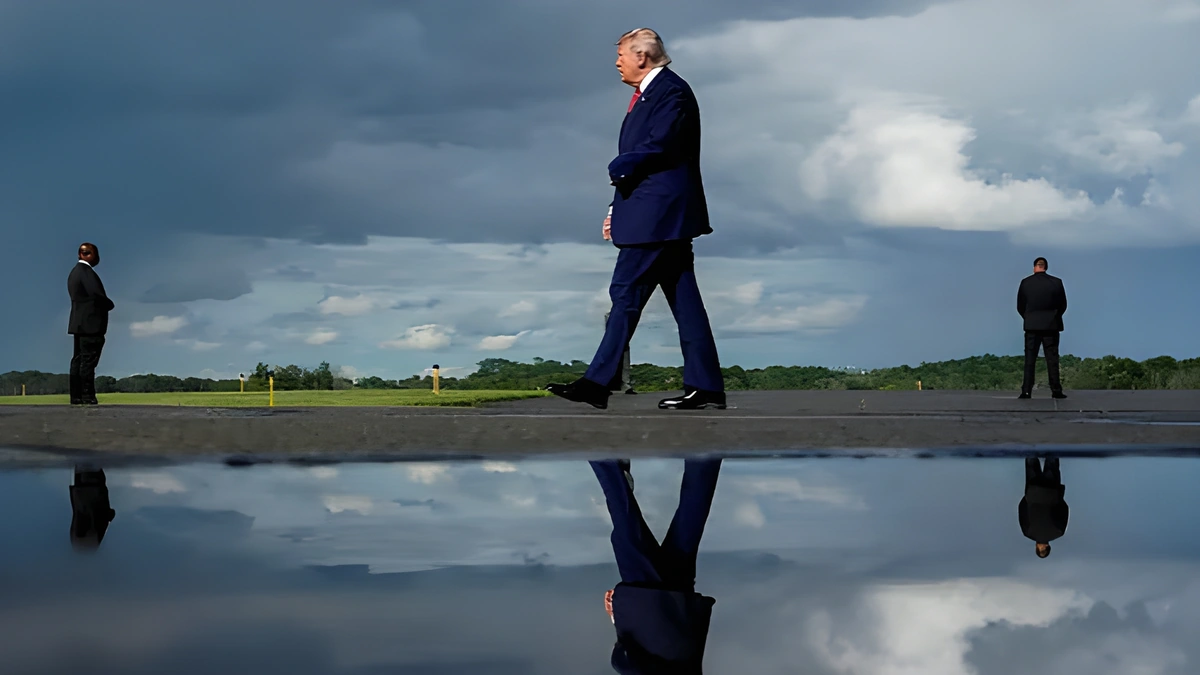
U.S. President Donald Trump declared on Saturday that Venezuela’s airspace should be considered “closed,” without offering further details-sharply escalating tensions between Washington and Caracas.
Venezuela condemned the announcement, calling it a “colonial threat” to Latin America. The country has been conducting regular military drills for weeks amid fears of a possible U.S. attack.
Since early September, the Trump administration has carried out strikes on boats in the Caribbean suspected of drug trafficking, deploying major naval power-including the USS Gerald R. Ford, warships, thousands of troops, and F-35 jets. At least 83 people have been killed in those strikes, though Washington has not presented evidence linking the vessels to drug smuggling.
The U.S. recently designated the Venezuelan group Cartel de los Soles as a foreign terrorist organization, claiming President Nicolás Maduro is involved. Critics say this could be used to justify military action without approval from Congress by framing it as a counterterrorism operation.
Is a U.S. attack likely?
Analysts say Trump’s aggressive posture is driven mainly by Venezuela’s massive oil reserves and Washington’s desire to maintain dominance in the Western Hemisphere. Trump has imposed heavy tariffs on countries that buy Venezuelan oil, offered a $50 million reward for Maduro’s capture, and authorized CIA covert operations in the country.
Maduro, who won July’s election but is not recognized by Washington, has repeatedly called for peace but vowed to defend Venezuela if “imperial threats” emerge.
Legal concerns
Human rights groups and legal experts argue that U.S. maritime strikes amount to extrajudicial killings and violate international and U.S. constitutional law. Congress has opened an investigation into the operations.
Political motives
Analysts connect Trump’s hard-line approach to Venezuela’s strategic importance and its ties with China, Russia, Cuba, and Iran. Relations deteriorated sharply after Hugo Chávez came to power in 1998, nationalized the oil sector, and expelled U.S. military advisers.
Divisions among Trump supporters
Trump campaigned on ending “forever wars,” and many MAGA supporters oppose new foreign conflicts. Some allies-like Marjorie Taylor Greene-criticized the administration for prioritizing foreign interventions over domestic issues. However, others, including National Security Advisor Rubio, back a tougher stance on Venezuela, citing political support among Venezuelan and Cuban communities in Florida.
Experts say Trump might use the threat of military action as leverage rather than launching a large-scale invasion. Still, his deployment of significant military assets has fueled widespread concerns that the U.S. may be preparing for a targeted strike or limited operation inside Venezuela.
Related News
You may like
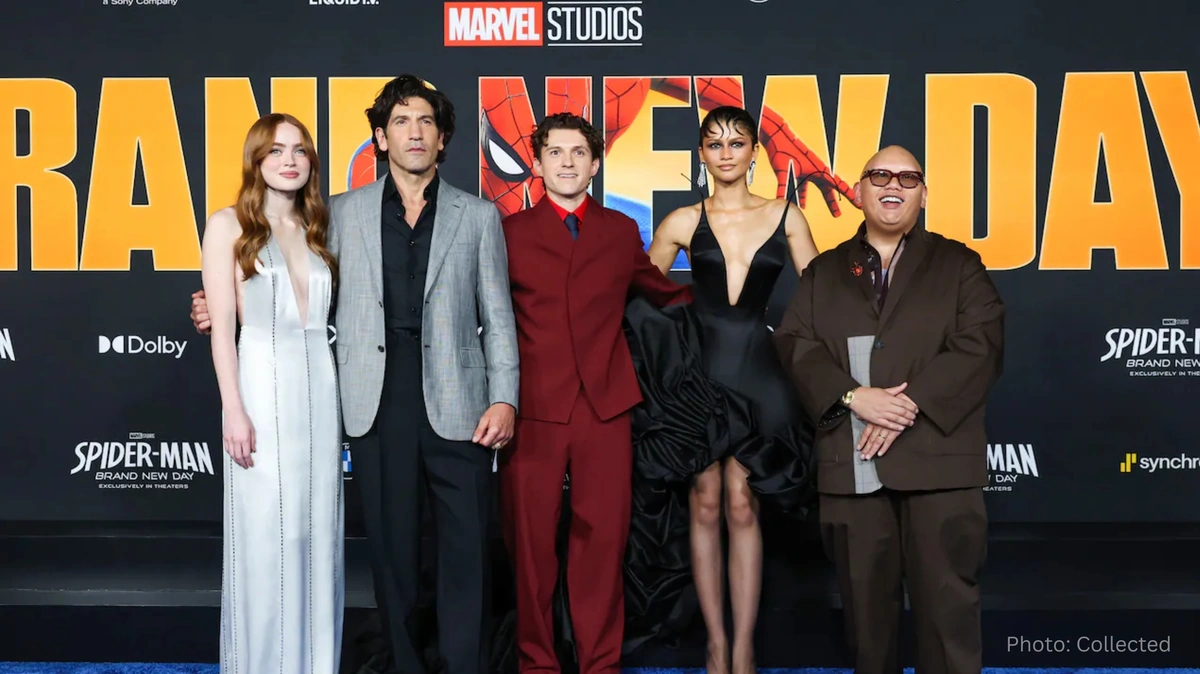


Tom Holland Says Marvel Has a Plan for the Next Spider-Man
August 1, 2026
Elected News
-
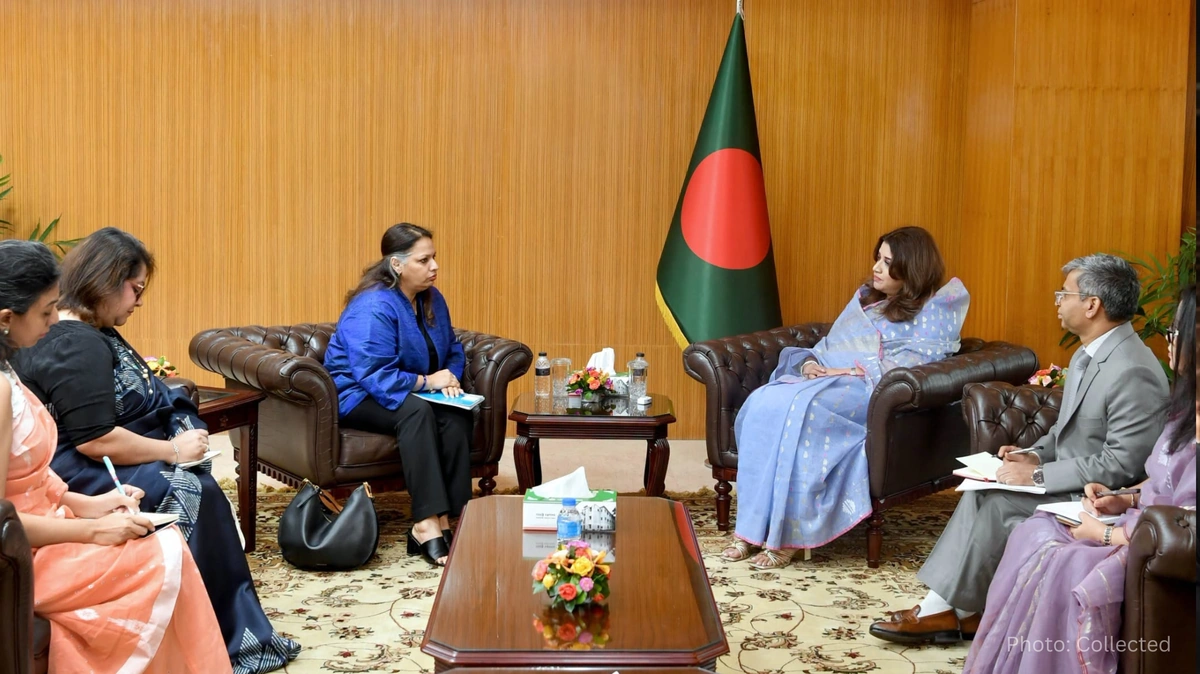
Bangladesh Seeks UN Women Support on Digital Harassment and Women’s Empowerment
-

Bangladesh, Australia Discuss Human Trafficking, Irregular Migration and Rohingya Crisis
-

Bangladesh Plans Internet-Free Access to Mobile Banking and Financial Apps
-

DU to Open Undergraduate Admission Applications on 11 November, Tests Begin 5 December


