Jamaat Ameer Discloses ‘Secret’ Meeting with Indian Diplomat, Outlines Party's Political Strategy
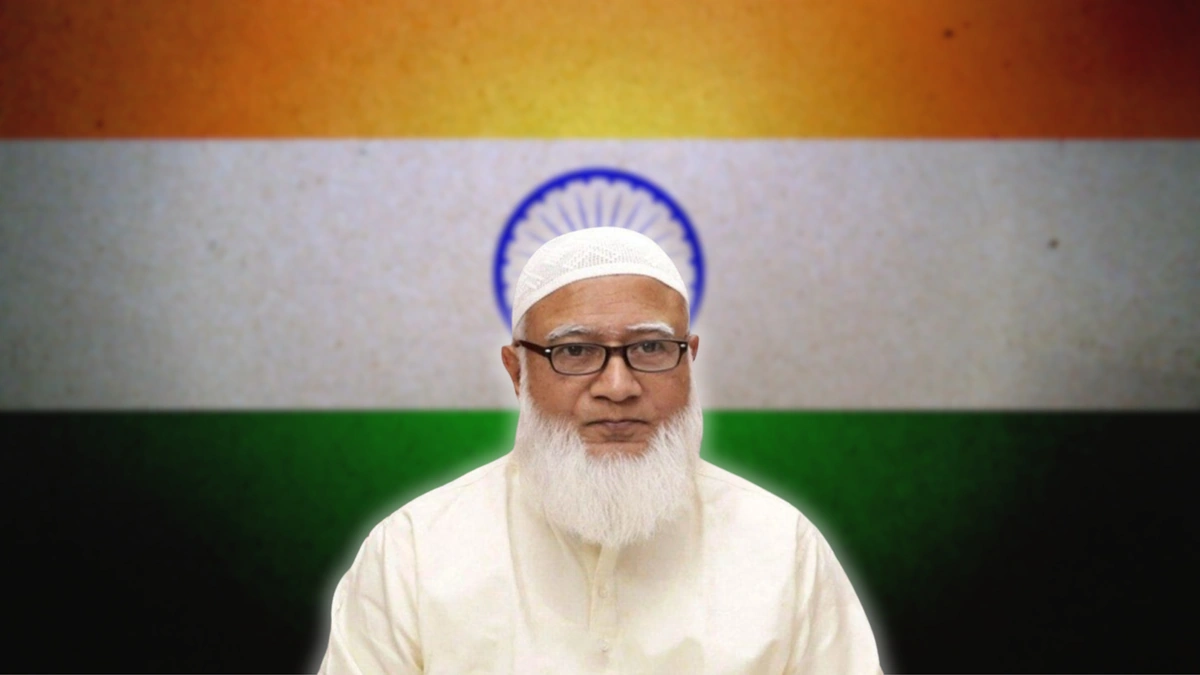
Dr. Shafiqur Rahman discusses plans for a unity government, balanced foreign relations, and anti-corruption efforts as Jamaat returns to politics after 17 years.
In a recent interview with Reuters, Bangladesh Jamaat-e-Islami Ameer Dr. Shafiqur Rahman revealed details of a previously undisclosed meeting with an Indian diplomat earlier this year. According to Rahman, the diplomat requested that the meeting be kept confidential, which led to its delayed disclosure.
Rahman emphasized that Jamaat-e-Islami is seeking to form a national consensus government after the upcoming national election, slated for February 2026. He clarified that the party does not intend to govern alone, but rather to collaborate with multiple political factions to ensure a stable administration.
While discussing foreign relations, Rahman expressed concerns over the deteriorating Bangladesh–India relations, particularly after the fall of Prime Minister Sheikh Hasina. He pointed out that Hasina's current stay in India poses a significant challenge to improving diplomatic ties between the two countries. Despite this, he maintained that Jamaat is committed to fostering balanced relationships with both India and Pakistan.
Regarding the upcoming elections, Rahman stated that Jamaat is preparing for a possible alliance with other political parties, including a potential partnership with the National Citizen Party (NCP), a party led by Gen Z. He also reiterated that Jamaat’s anti-corruption stance would be a central element in any future government formed by the party. If Jamaat secures an absolute majority, Rahman said, the decision on who would serve as prime minister would be made based on internal discussions.
Jamaat-e-Islami, which was banned in 2013 but reinstated in 2024, has expressed discomfort with the current president, Mohammed Shahabuddin, who was elected without opposition, with the backing of the ruling Awami League. Rahman stated that Jamaat would not be comfortable being part of a government that includes Shahabuddin. However, the president has not yet commented on the matter.
As Jamaat prepares for its first national election in nearly two decades, it has positioned itself as a key player in Bangladesh’s political future, seeking to form a government based on a broad consensus to ensure stability and tackle corruption.
Related News
You may like




Tom Holland Says Marvel Has a Plan for the Next Spider-Man
August 1, 2026
Elected News
-
Bangladesh Seeks UN Women Support on Digital Harassment and Women’s Empowerment
-
Bangladesh, Australia Discuss Human Trafficking, Irregular Migration and Rohingya Crisis
-

Bangladesh Plans Internet-Free Access to Mobile Banking and Financial Apps
-
DU to Open Undergraduate Admission Applications on 11 November, Tests Begin 5 December


