Japan’s School Lunch System: Prioritizing Fresh Food and Healthy Habits
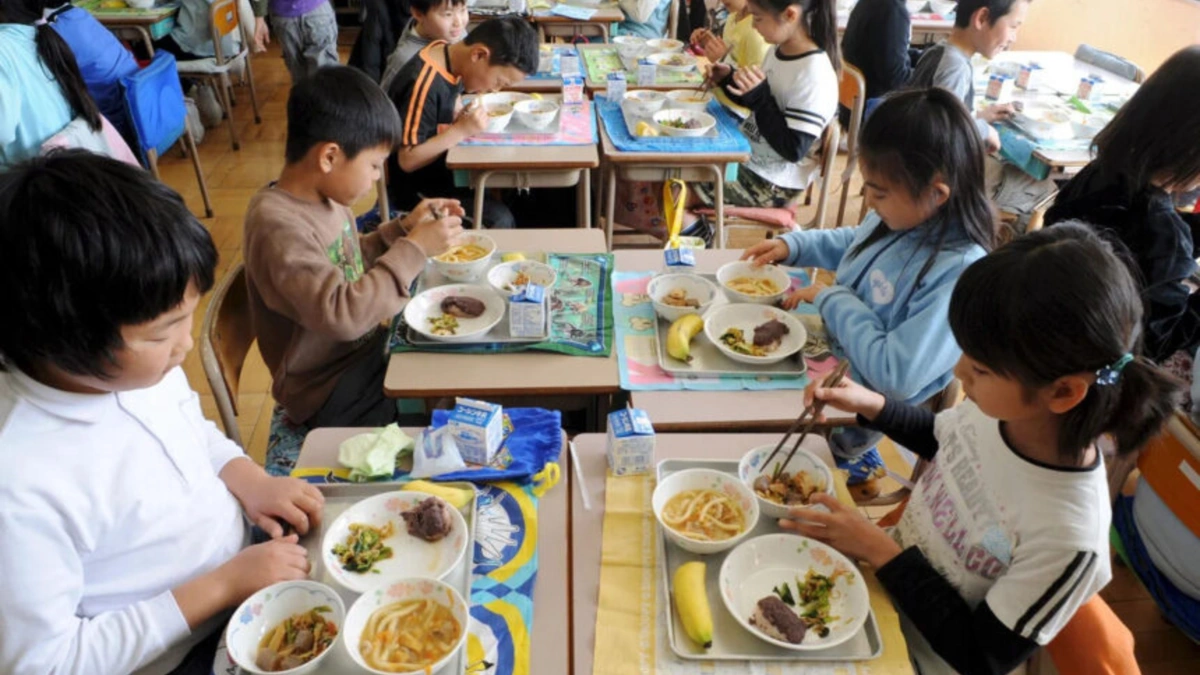
Kyūshoku System Promotes Nutritional Balance, Food Education, and Cultural Respect
Japan's school lunch system, known as kyūshoku, is gaining recognition globally for its approach to promoting healthy eating habits in children. Unlike many countries where processed food dominates school cafeterias, Japan’s public schools prioritize fresh, seasonal ingredients in their meals, aiming to ensure that children receive balanced and nutritious lunches every day.
The meals, which are planned by certified nutritionists, adhere to national guidelines focused on safety, quality, and nutritional balance. Typical lunches include rice, vegetables, fish or meat, soup, and milk. These meals are prepared either on-site or through local cooking centers, emphasizing fresh cooking rather than relying on convenience foods. Sugary drinks, chips, candy, and fast food are seldom found on official school menus.
Contrary to popular social media claims, Japan does not have a law explicitly banning all processed food in schools. However, the country’s School Lunch Act encourages the use of simple, wholesome foods, limiting additives and prioritizing fresh ingredients. This helps naturally exclude highly processed and sugary products.
The system is designed to provide one-third of a child’s daily nutritional needs, ensuring that every student receives adequate energy and nutrients, regardless of their home circumstances.
Beyond just nutrition, Japan's school lunch system is closely tied to food education, or shokuiku, which was introduced as a national policy in 2005. This program educates children on healthy diets, food culture, and the importance of balanced meals. In many schools, students eat in classrooms rather than cafeterias, with the added responsibility of serving their classmates and cleaning up afterward. Teachers often use the opportunity to discuss the food’s ingredients, origins, and health benefits, fostering a deeper respect for food.
Moreover, Japan’s schools typically do not allow vending machines or commercial food sales, ensuring that children are not tempted by unhealthy food options. Students are also prohibited from bringing snacks or packed lunches from home, which creates consistency in the meals served.
Japan’s school lunch system is funded publicly and centrally planned, so schools are not influenced by food marketing or corporate sponsorships. Decisions about meals are made by nutritionists, not food companies, ensuring a focus on children’s health over commercial interests.
Experts around the world are looking to Japan’s approach as a model for tackling rising childhood obesity and diet-related health issues. While school lunches alone are not the sole factor behind Japan’s overall health outcomes, early exposure to balanced meals plays a significant role in shaping children's future food preferences.
As global concerns about unhealthy eating habits rise, Japan’s kyūshoku system serves as a shining example of how a well-structured school lunch program can foster not only better nutrition but also a cultural respect for food and health.
Related News
You may like



Tom Holland Says Marvel Has a Plan for the Next Spider-Man
August 1, 2026
Elected News
-
Bangladesh Seeks UN Women Support on Digital Harassment and Women’s Empowerment
-

Bangladesh, Australia Discuss Human Trafficking, Irregular Migration and Rohingya Crisis
-
Bangladesh Plans Internet-Free Access to Mobile Banking and Financial Apps
-

DU to Open Undergraduate Admission Applications on 11 November, Tests Begin 5 December


