Maduro Pleads Not guilty, Insists Still President
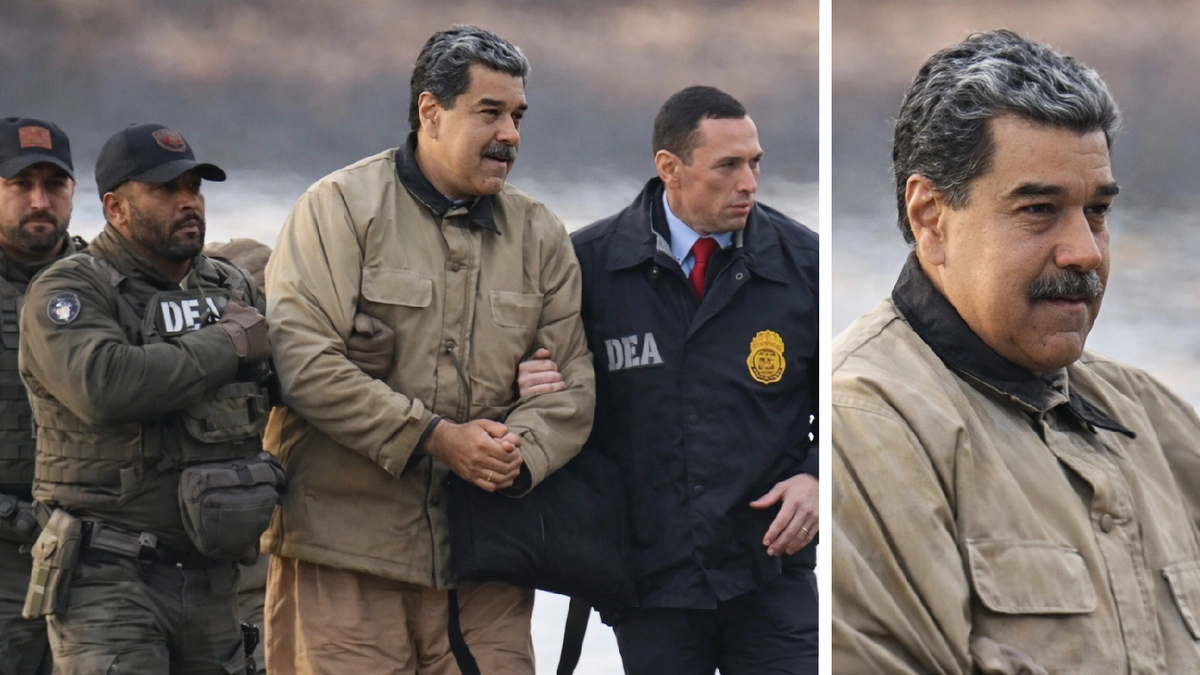
US officials said Maduro and his wife were taken during a pre-dawn operation involving airstrikes on the Venezuelan capital and a significant naval presence. Following the operation, President Donald Trump announced that Washington now intends to take control of Venezuela’s struggling oil sector.
Ousted Venezuelan leader Nicolas Maduro pleaded not guilty to drug trafficking and related charges during his first court appearance in New York, days after being seized by US forces in a dramatic operation in Caracas.
Appearing before a federal judge in Manhattan yesterday, the 63-year-old president declared his innocence, saying he had been unlawfully taken from Venezuela. Speaking in Spanish through an interpreter, Maduro said he had been captured at his home on January 3 and brought to the United States against his will.
Maduro entered the courtroom smiling and dressed in an orange shirt and beige trousers, but the judge cut short his remarks, instructing him to limit his statements to basic court formalities. His wife, Cilia Flores, also entered a not-guilty plea. The court ordered both to remain in custody and scheduled their next hearing for March 17.
As Maduro appeared in court, thousands of supporters rallied in Caracas, while his former deputy Delcy Rodríguez was sworn in as interim president. Despite the demonstrations, analysts say Maduro’s long rule has effectively come to an end.
US officials said Maduro and his wife were taken during a pre-dawn operation involving airstrikes on the Venezuelan capital and a significant naval presence. Following the operation, President Donald Trump announced that Washington now intends to take control of Venezuela’s struggling oil sector.
Trump also ruled out holding fresh elections in the near term, arguing that conditions in the country would not allow a fair vote. He said the priority would be stabilising the nation before any electoral process could take place.
Maduro assumed the presidency in 2013 after the death of Hugo Chávez and remained in power for more than a decade. Western governments have repeatedly accused him of manipulating elections, jailing political opponents, and overseeing widespread corruption.
Venezuela, home to around 30 million people, now faces deep political uncertainty after years of economic collapse and sanctions. While Trump has said he is willing to work with Rodríguez and other former Maduro allies, he has made cooperation conditional on meeting US demands related to oil production.
Rodríguez has since indicated openness to cooperation after an initially confrontational stance. Venezuela holds the world’s largest proven oil reserves, though years of sanctions and neglect have left the industry in severe decline.
Global markets reacted positively to developments, with shares of major US oil companies rising sharply. Key stock indices in the United States and the United Kingdom closed at record highs.
Former US diplomat Brian Naranjo warned that Venezuela’s situation could deteriorate further before improving. He said power struggles within the ruling elite pose a serious risk, pointing to Interior Minister Diosdado Cabello and Jorge Rodríguez, the head of the National Assembly, as potential challengers to the interim leadership.
According to Naranjo, the political transition remains fragile, and internal rivalries could further destabilise the country.
Related News
You may like
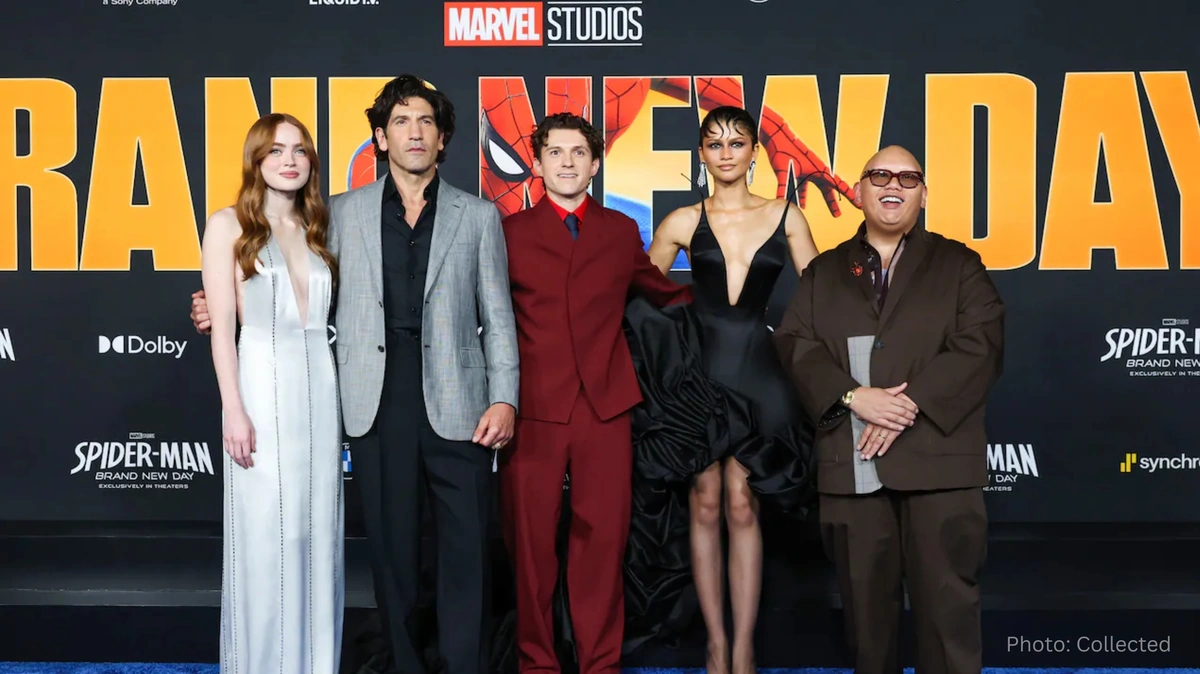


Tom Holland Says Marvel Has a Plan for the Next Spider-Man
August 1, 2026
Elected News
-
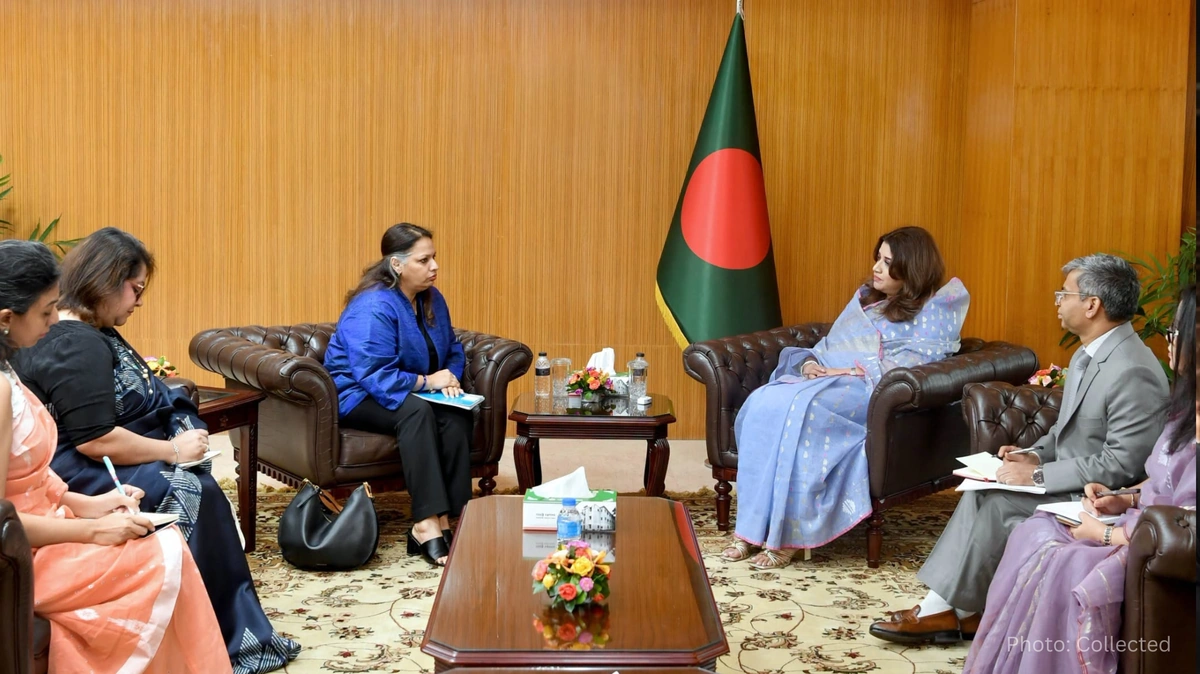
Bangladesh Seeks UN Women Support on Digital Harassment and Women’s Empowerment
-
Bangladesh, Australia Discuss Human Trafficking, Irregular Migration and Rohingya Crisis
-

Bangladesh Plans Internet-Free Access to Mobile Banking and Financial Apps
-
DU to Open Undergraduate Admission Applications on 11 November, Tests Begin 5 December


