Medical College in Jammu Loses Recognition Amid Hindu-Muslim Controversy
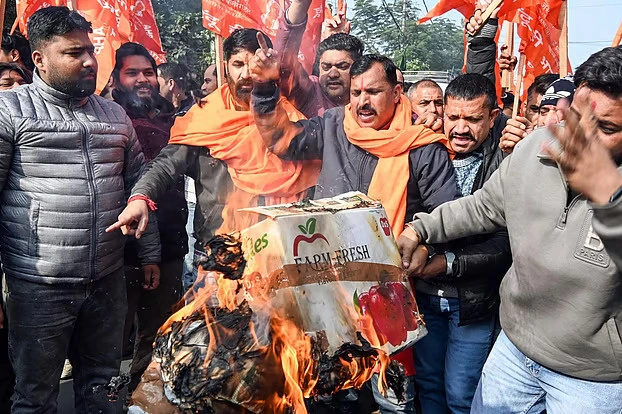
The Shree Mata Vaishno Devi Institute of Medical Excellence in Jammu loses its license following protests over the admission of predominantly Muslim students.
In a significant development, the Shree Mata Vaishno Devi Institute of Medical Excellence in Jammu has had its medical college license revoked by the National Medical Council (NMC) of India. The college, which is located in the Union Territory of Jammu and Kashmir, faced growing protests from Hindu nationalist groups over the 2025-2026 batch of students, 46 out of 50 of whom were Muslim.
The NMC cited several factors in its decision, including a severe shortage of teachers and doctors, low patient numbers, and inadequate infrastructure at the institution. These issues were identified as violating the NMC's guidelines for medical institutions, which were outlined in 2023.
This decision has created uncertainty for the 50 students who had enrolled in the college for the 2025-2026 academic year. The NMC has stated that students from the previous sessions will be transferred to other recognized medical colleges, but the future of the newly enrolled students remains unclear.
The college, which was inaugurated in 2016 by Prime Minister Narendra Modi, had faced increasing opposition from local Hindu groups, who raised concerns about the religious composition of the new student intake. Protesters, including members of the Vishva Hindu Parishad and Bajrang Dal, argued that Hindu students should be given priority for admission to an institution funded by the Vaishno Devi temple authorities.
The controversy intensified when it was revealed that 42 out of the 50 new students were from Kashmir, and 8 were from Jammu, making 90% of the cohort Muslim. These groups demanded that Hindu students should be admitted instead of Muslim candidates, with a call for reserving a majority of seats for Hindu students.
In response, the institution and its management stated that the admissions process followed NMC guidelines, with seats being allocated based on the National Eligibility cum Entrance Test (NEET). The NMC had previously decided that 85% of the seats in Jammu and Kashmir would be reserved for local students, while the remaining 15% would be open to students from other regions.
The situation is seen by many as an attempt to resolve the ongoing Hindu-Muslim debate surrounding the college's admissions. Despite claims from the institution that there were no deficiencies, the NMC's decision to revoke its recognition has added to the tensions. The local BJP leaders have also voiced opposition to the admissions process, urging the Lieutenant Governor to intervene, but legal challenges made this action difficult.
The incident has raised questions about the political and religious dimensions of education in Jammu and Kashmir, with ongoing debates about how to balance regional and religious interests in the region’s educational institutions.
Related News
You may like


Tom Holland Says Marvel Has a Plan for the Next Spider-Man
August 1, 2026
Elected News
-
Bangladesh Seeks UN Women Support on Digital Harassment and Women’s Empowerment
-
Bangladesh, Australia Discuss Human Trafficking, Irregular Migration and Rohingya Crisis
-
Bangladesh Plans Internet-Free Access to Mobile Banking and Financial Apps
-
DU to Open Undergraduate Admission Applications on 11 November, Tests Begin 5 December


