Nepal’s Rapper-Turned Mayor Enters PM Race
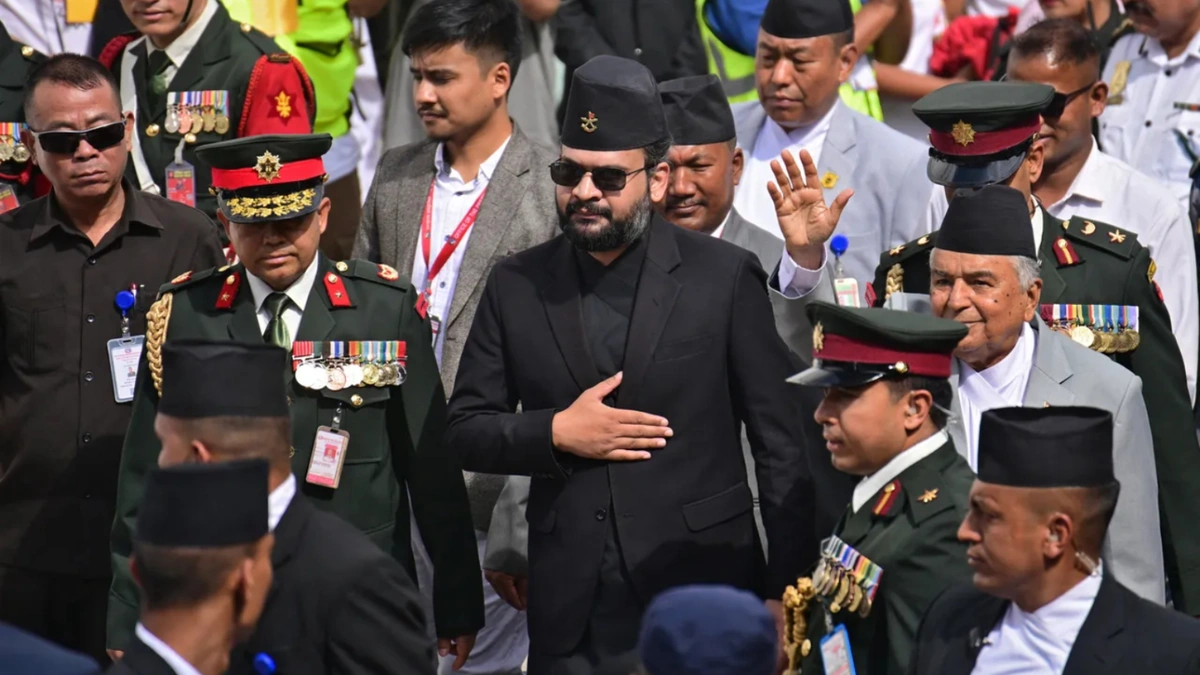
Rapper turned Kathmandu mayor Balendra Shah, known as Balen, a popular elected official, joined the Rastriya Swatantra Party (RSP) or national independent party, led by a former TV host-turned politician Rabi Lamichhane yesterday, party officials said.
Two of Nepal’s most high-profile political figures have forged a new alliance ahead of the country’s March parliamentary elections, a development that could significantly disrupt the dominance of traditional parties that have controlled national politics for more than three decades.
Kathmandu Mayor Balendra Shah, widely known as Balen, has formally joined the Rastriya Swatantra Party (RSP), a relatively new political force led by former television presenter-turned-politician Rabi Lamichhane. Party officials confirmed that the agreement was finalized on Sunday, marking a major consolidation of youth-driven political momentum ahead of the March 5 polls.
Under the terms of the alliance, Balen, 35, will be the prime ministerial candidate if the RSP secures victory in the elections, while Lamichhane will continue to serve as the party’s president. Both leaders have pledged to prioritize political reform, transparency, and accountability, responding directly to demands raised during the large-scale youth-led protests that erupted across the country in September.
Those demonstrations, largely driven by Generation Z activists angered by entrenched corruption and political stagnation, turned deadly, with at least 77 people killed during clashes. The unrest ultimately forced then-prime minister KP Sharma Oli to step down, creating a political vacuum that accelerated calls for systemic change.
Political analyst Bipin Adhikari described the alliance as a calculated and forward-looking move. He noted that bringing Balen into the RSP fold gives the party direct access to a broad base of young, politically energized supporters who feel alienated from traditional parties. According to Adhikari, long-established political groups are increasingly anxious about losing younger voters to alternative movements like the RSP.
The Election Commission of Nepal estimates that nearly 19 million citizens out of the country’s 30 million population are eligible to vote in the upcoming election. Notably, close to one million new voters—most of them young people—were added to the voter rolls following the September protests, highlighting the growing influence of youth participation in national politics.
Balen rose to national prominence during the protests and was widely viewed as an informal leader of the movement, despite holding no official role at the time. He later played a key part in facilitating the formation of an interim government led by former chief justice Sushila Karki, tasked with overseeing the electoral process.
For decades, Nepal’s political landscape has been largely shaped by power-sharing arrangements between the Communist Party of Nepal (Unified Marxist–Leninist) and the Nepali Congress. The new alliance between Balen and the RSP now poses one of the most serious challenges yet to that long-standing political order.
Related News
You may like




Tom Holland Says Marvel Has a Plan for the Next Spider-Man
August 1, 2026
Elected News
-

Bangladesh Seeks UN Women Support on Digital Harassment and Women’s Empowerment
-

Bangladesh, Australia Discuss Human Trafficking, Irregular Migration and Rohingya Crisis
-

Bangladesh Plans Internet-Free Access to Mobile Banking and Financial Apps
-

DU to Open Undergraduate Admission Applications on 11 November, Tests Begin 5 December


