Sudan crisis deepens, residents flee
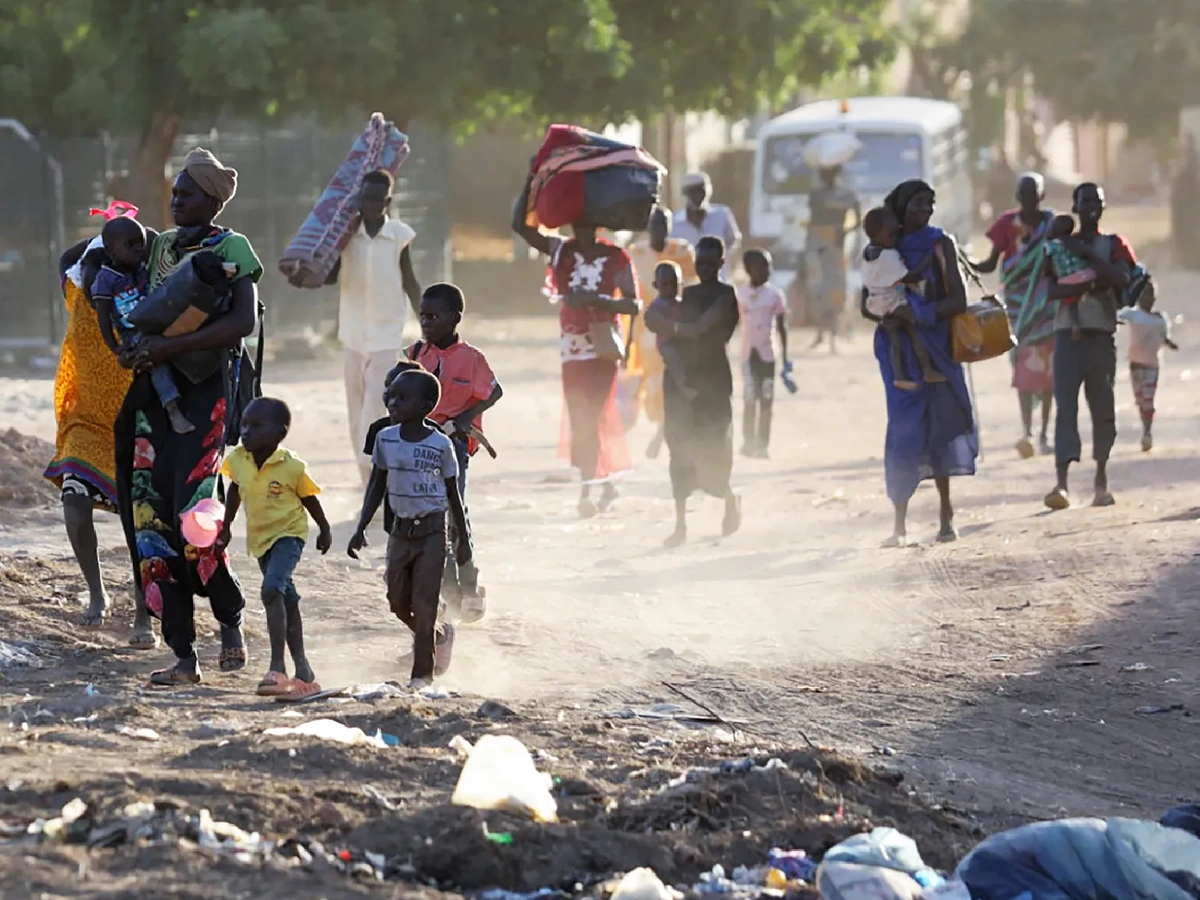
The conflict has killed thousands, weakened local governance structures, and displaced millions.
More than 1,000 people have been uprooted from their homes in South Kordofan in just two days as violent confrontations intensified between Sudan’s national army and the Rapid Support Forces (RSF), the International Organization for Migration (IOM) reported on last Wednesday.
According to IOM field teams, displacement surged sharply in rural areas around Abbasiya, Talodi and the state capital, Kadugli.
Since Tuesday, at least 590 people fled from Karmojiya on the outskirts of Abbasiya. Another 235 residents escaped from Qardard Amradami near Talodi, and roughly 160 individuals left the village of Damik.
Renewed clashes in and around Kadugli also forced at least 185 more people to move toward safer areas in West and North Kordofan, including Abu Zabad and Sheikan localities.
This latest wave of displacement represents one of the most unstable periods in recent months, fueled by escalating battles as both sides attempt to seize control of key areas in Sudan’s southern corridor. Earlier, on Monday, the IOM noted that around 600 people had already abandoned Kadugli following a new round of RSF-linked violations.
Across North, West and South Kordofan, weeks of heavy fighting have forced tens of thousands to flee, worsening an already severe humanitarian crisis that has grown steadily since the war between the army and RSF began in April 2023.
Nationwide, the conflict has killed thousands, weakened local governance structures, and displaced millions.
The RSF currently dominates all five states in Darfur, except for portions of northern North Darfur that remain under army control.
Meanwhile, the military maintains authority over most of Sudan’s other 13 states, including the capital Khartoum and much of the east, north and central regions.
A separate emergency unfolded Wednesday in neighboring South Darfur, where health workers reported that more than 19,000 people are being held in the state’s two biggest detention facilities, Dagris and Kober.
According to the Sudan Doctors Network, the detainees include 5,434 civilians — among them 73 healthcare workers, as well as journalists and political activists.
The group warned that deaths are steadily increasing in the overcrowded prisons due to severe shortages of medication, clean water and food, combined with collapsing sanitation systems and the spread of infectious diseases.
They said that at least four deaths occur each week because of medical neglect, lack of trained personnel and no access to emergency evacuation.
The network called on the United Nations and international humanitarian organizations to pressure the RSF to free civilian detainees and to ensure minimum protection and health standards inside detention centers.
According to IOM field teams, displacement surged sharply in rural areas around Abbasiya, Talodi and the state capital, Kadugli.
Since Tuesday, at least 590 people fled from Karmojiya on the outskirts of Abbasiya. Another 235 residents escaped from Qardard Amradami near Talodi, and roughly 160 individuals left the village of Damik.
Renewed clashes in and around Kadugli also forced at least 185 more people to move toward safer areas in West and North Kordofan, including Abu Zabad and Sheikan localities.
This latest wave of displacement represents one of the most unstable periods in recent months, fueled by escalating battles as both sides attempt to seize control of key areas in Sudan’s southern corridor. Earlier, on Monday, the IOM noted that around 600 people had already abandoned Kadugli following a new round of RSF-linked violations.
Across North, West and South Kordofan, weeks of heavy fighting have forced tens of thousands to flee, worsening an already severe humanitarian crisis that has grown steadily since the war between the army and RSF began in April 2023.
Nationwide, the conflict has killed thousands, weakened local governance structures, and displaced millions.
The RSF currently dominates all five states in Darfur, except for portions of northern North Darfur that remain under army control.
Meanwhile, the military maintains authority over most of Sudan’s other 13 states, including the capital Khartoum and much of the east, north and central regions.
A separate emergency unfolded Wednesday in neighboring South Darfur, where health workers reported that more than 19,000 people are being held in the state’s two biggest detention facilities, Dagris and Kober.
According to the Sudan Doctors Network, the detainees include 5,434 civilians — among them 73 healthcare workers, as well as journalists and political activists.
The group warned that deaths are steadily increasing in the overcrowded prisons due to severe shortages of medication, clean water and food, combined with collapsing sanitation systems and the spread of infectious diseases.
They said that at least four deaths occur each week because of medical neglect, lack of trained personnel and no access to emergency evacuation.
The network called on the United Nations and international humanitarian organizations to pressure the RSF to free civilian detainees and to ensure minimum protection and health standards inside detention centers.
Related News
You may like




Tom Holland Says Marvel Has a Plan for the Next Spider-Man
August 1, 2026
Elected News
-
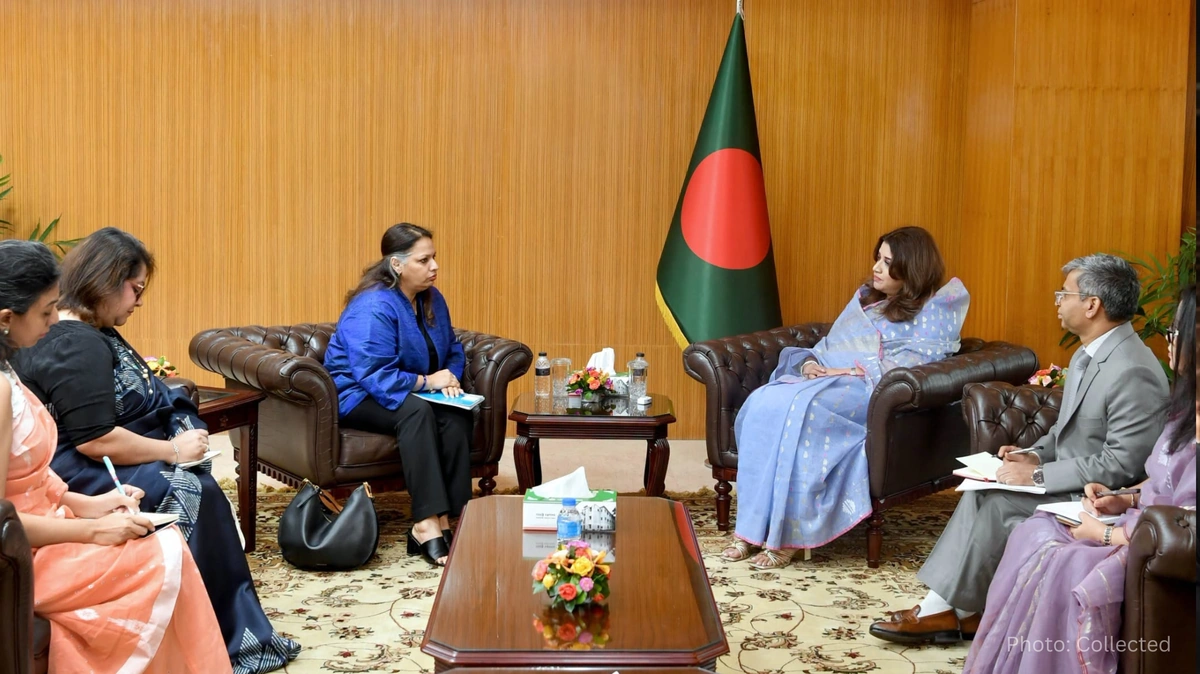
Bangladesh Seeks UN Women Support on Digital Harassment and Women’s Empowerment
-
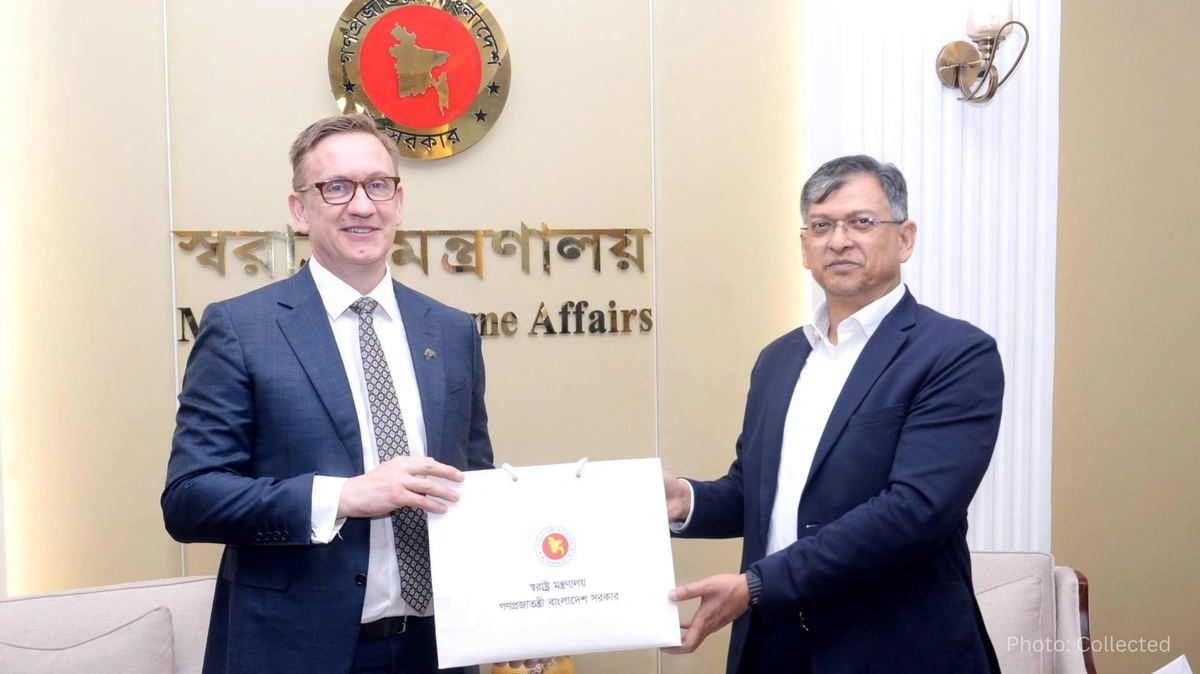
Bangladesh, Australia Discuss Human Trafficking, Irregular Migration and Rohingya Crisis
-

Bangladesh Plans Internet-Free Access to Mobile Banking and Financial Apps
-
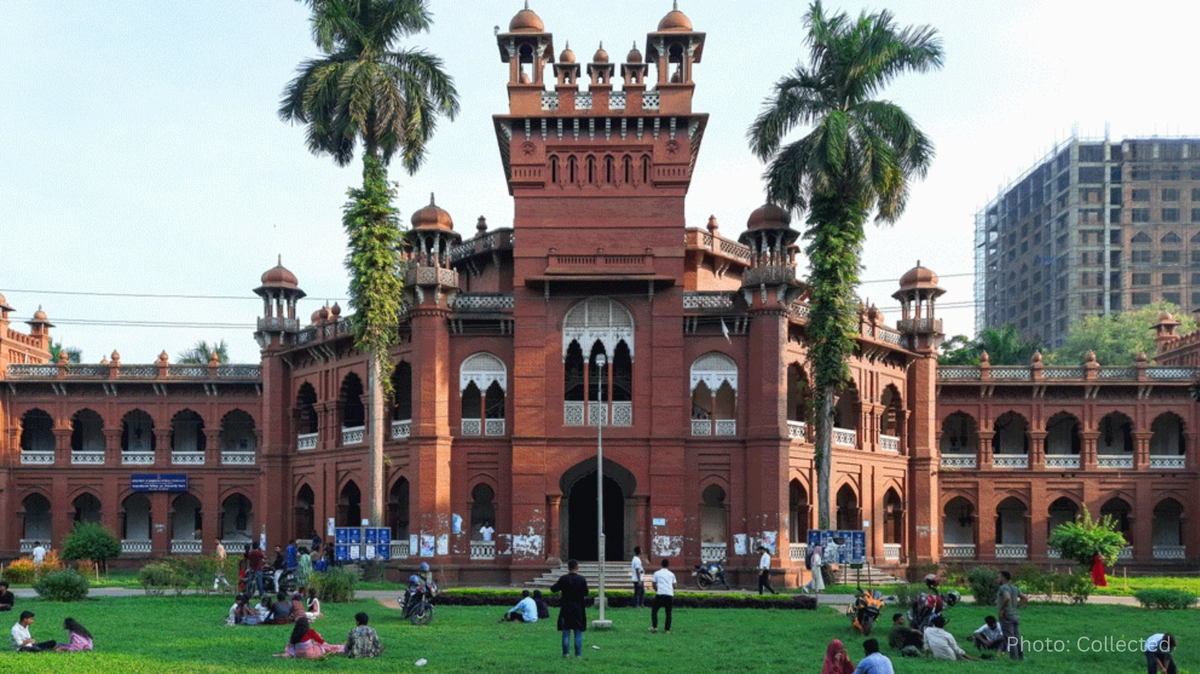
DU to Open Undergraduate Admission Applications on 11 November, Tests Begin 5 December


