The Uncertain Future of Afghanistan and Pakistan
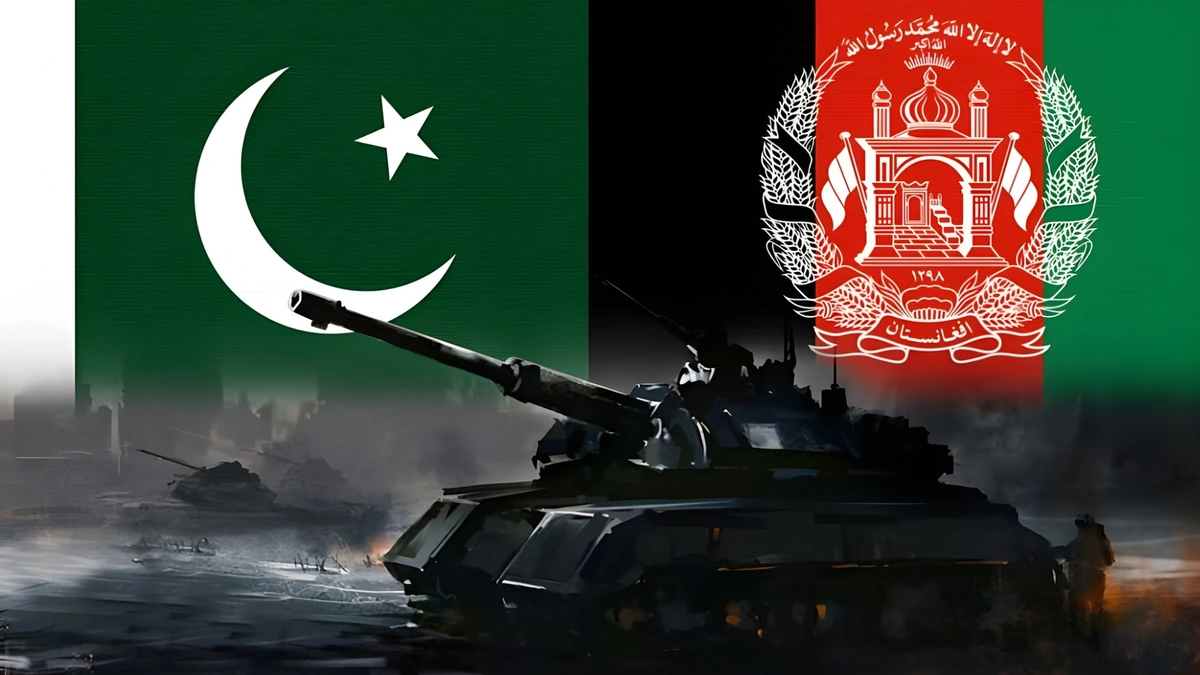
Pakistan and Afghanistan had been holding rounds of peace talks to prevent deadly clashes along the border and to curb terrorist activities.
The relationship between Afghanistan and Pakistan has long been complex and tense. Rooted in historical grievances, particularly long-standing border disputes over the Durand Line, distrust and tension between the two countries remain deeply entrenched.
Recent years’ border clashes, airstrikes, and militant activities have further intensified the conflict. After last month’s attacks, the two neighbors once again stand at an uncertain crossroads. It is not only military and diplomatic tensions that matter; humanitarian, economic, and social challenges are equally significant. Regional powers and neighboring states are watching the peace negotiation process with caution. Their fear is that if the conflict spreads, it could lead to instability across the entire region.
The United Nations, the European Union, and the United States have called on both countries to establish a sustainable framework for peace. But the problem is that mistrust between the two sides is very old deepened even further by misinformation and propaganda on social media. For the past eight decades, Afghan and Pakistani leaderships have failed to resolve this historical deadlock.
Militancy and Security Issues
Pakistan accuses Afghanistan of sheltering the terrorist group Tehrik-i-Taliban Pakistan (TTP), which has increased attacks on Pakistan’s security forces and government institutions over the last decade. Kabul rejects the allegation, saying Pakistan is using a blame-shifting strategy while continuing attacks inside Afghan territory. The Afghan government claims that the problem stems from Pakistan’s internal politics, insisting that Afghanistan does not support militants in any way.
The Durand Line Dispute
In 1893, a 2,640-kilometer Durand Line agreement was signed between British India and the Afghan ruler. The agreement divided Pashtun and Baloch ethnic territories into two parts. Although Afghanistan accepted it as a functional boundary after gaining independence in 1919, it continued to challenge its legitimacy. When British India was partitioned in 1947 and Pakistan was created, the border was inherited by Pakistan. However, Afghanistan argues that since British rule ended, the agreement is no longer valid.
Afghanistan does not recognize it as a legitimate colonial legacy. Over the past 75 years, hundreds of people have been killed in border clashes, and thousands displaced. Diplomatic relations were severed twice (in 1955 and 1961). The dispute has complicated not only security concerns but also trade, the economy, and refugee issues.
Pakistan’s New Security Policy
The root of the current violence lies in Pakistan’s new security doctrine. According to this policy, if any attack occurs inside Pakistan whether by the TTP or Baloch groups retaliatory strikes will be launched inside Afghanistan. This flawed assumption may further escalate the conflict. For this reason, peace talks between the two countries are essential. Meanwhile, Pakistan’s closure of the Torkham and Chaman border crossings has halted trade and humanitarian aid. The lack of effective communication has allowed misunderstandings to rapidly escalate into conflict. The border closures have caused shortages of food and medicine in both countries.
Related News
You may like




Tom Holland Says Marvel Has a Plan for the Next Spider-Man
August 1, 2026
Elected News
-

Bangladesh Seeks UN Women Support on Digital Harassment and Women’s Empowerment
-

Bangladesh, Australia Discuss Human Trafficking, Irregular Migration and Rohingya Crisis
-

Bangladesh Plans Internet-Free Access to Mobile Banking and Financial Apps
-

DU to Open Undergraduate Admission Applications on 11 November, Tests Begin 5 December


