Hackers breach US Air Force flagship Cloud One computing platform
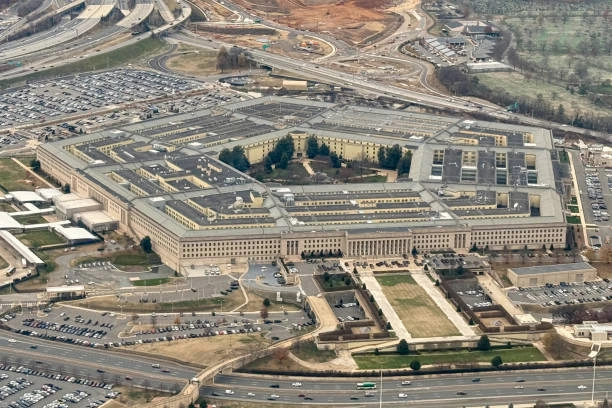
Hackers have breached the US Air Force's flagship cloud computing platform, Cloud One, leading to system disruptions and a security assessment by Cyber Command. The breach was discovered during recent upgrade work, forcing the military to pause critical system migrations.
Hackers have breached the US Air Force’s flagship cloud computing platform, Cloud One, according to three people familiar with the matter. The intrusion, which was discovered within the past month or so during scheduled work to upgrade the system, has caused significant disruption across the platform, raising concerns about the security of sensitive tactical, personnel and logistics data.
The United States Air Force has declined to comment on the security posture, vulnerabilities or operational status of specific networks. In a statement, the force noted that it continuously takes prudent measures to protect Department of the Air Force information, systems and mission capabilities. Investigators have reportedly called in Cyber Command, the military’s dedicated cyber force, to assess the damage caused by the breach.
Launched in 2017, Cloud One serves as a centralised hub for the Air Force’s information technology needs. The platform integrates resources from four major technology companies: Microsoft, Amazon, Oracle and Alphabet. It powers a wide array of applications, ranging from personnel management and payroll systems to complex logistics and maintenance tools.
Among the critical systems hosted on the platform is the Cloud-Based Command and Control, which collates air defence radar and other data feeds from across North America. The platform also supports the Theater Integrated Combat Munitions System, which tracks bombs and missiles across more than 200 US Air Force locations globally. Leidos, which became the prime contractor for Cloud One in 2025, referred all questions regarding the breach to the Air Force.
The discovery of the intrusion has triggered a series of operational disruptions. According to four sources, efforts to migrate back-office applications to Cloud One have been paused. Furthermore, updates to applications already running on the platform have been blocked, leaving personnel unable to apply necessary fixes at a time when new software vulnerabilities have been disclosed across the technology industry. A fifth source confirmed that some users have had their administrator rights revoked as a security precaution.
One source familiar with the matter indicated that the cyber intruders successfully exploited a software vulnerability to reach the platform's control plane. This control plane is described as being akin to a universal remote, providing extensive access to the system. While it remains unclear whether the hackers utilised this access to monitor the status of military aircraft or the movement of spare parts, the potential for such activity has been highlighted by those familiar with the system's architecture.
The breach occurs amidst a broader period of heightened anxiety regarding cyber threats, particularly those involving AI-powered intrusions that can rapidly identify weaknesses across expansive networks. The US government has recently dealt with several other significant cyber incidents, including breaches affecting the FBI, the Department of Homeland Security, the Treasury Department and various intelligence agencies.
Cloud One has historically been a primary target for cyber actors. In a 2023 commentary, leadership associated with the platform claimed a 100 per cent success rate in repelling a high volume of penetration attempts. At that time, officials emphasised that there was no room for error regarding the security of the platform.
You may like

Experts urge Bangladesh to regulate AI data centre water usage
November 27, 2026

Team Group targets $1bn annual exports by 2026
November 27, 2026

Bangladesh A bat first against Pakistan A in Asia Cup semi-final
November 27, 2026

Middle East free Arabic AI course attracts 130,000 enrollments
November 27, 2026
Elected News
-

Bangladesh Seeks UN Women Support on Digital Harassment and Women’s Empowerment
-

Bangladesh, Australia Discuss Human Trafficking, Irregular Migration and Rohingya Crisis
-
Bangladesh Plans Internet-Free Access to Mobile Banking and Financial Apps
-

DU to Open Undergraduate Admission Applications on 11 November, Tests Begin 5 December


