Venezuelan Army Backs Maduro’s VP as Acting President
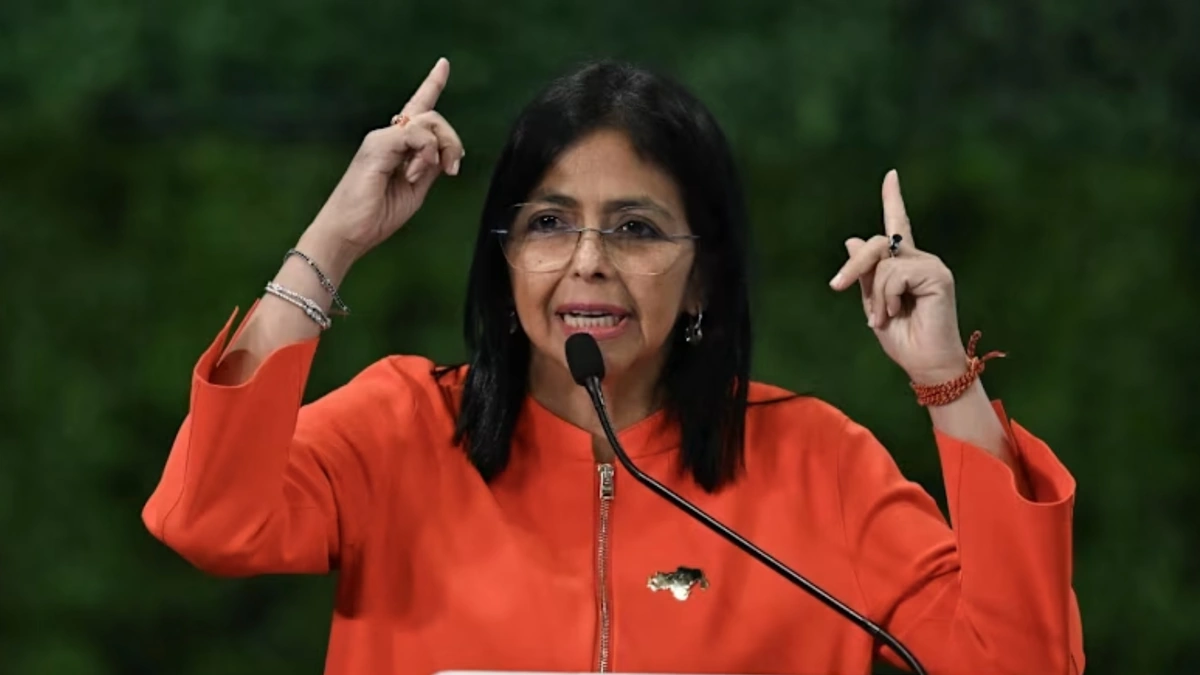
Uncertainty remains over how Trump intends to manage Venezuela, with critics warning the move could alienate U.S. supporters opposed to foreign interventions.
Venezuela’s armed forces have announced that they now recognize Delcy Rodríguez, the deputy of ousted president Nicolás Maduro, as the country’s interim authority, deepening uncertainty over Venezuela’s political future following Maduro’s dramatic detention by the United States.
Maduro is currently being held in a New York detention facility and is expected to appear in court on Monday on drug-related charges. His arrest followed an order by U.S. President Donald Trump, who said Washington would assume control over Venezuela. Despite this, senior figures from Maduro’s administration remain in charge in Caracas and have denounced the detention of Maduro and his wife, Cilia Flores, as an abduction.
Interior Minister Diosdado Cabello urged calm in a message circulated by the ruling PSUV party on Sunday, insisting that the revolutionary movement remained united. He declared that Nicolás Maduro was still Venezuela’s sole president and warned supporters not to be provoked by what he described as hostile forces.
Images released on Saturday showing the 63-year-old Maduro blindfolded and restrained shocked many Venezuelans. Analysts described the operation as the most contentious U.S. military intervention in Latin America since the 1989 invasion of Panama.
Vice President Rodríguez, who also oversees the oil sector, has assumed interim leadership with the endorsement of Venezuela’s Supreme Court, though she continues to say that Maduro remains the legitimate president. Seen as one of the most pragmatic figures within Maduro’s inner circle due to her experience with the private sector and the oil industry, Rodríguez has nevertheless rejected Trump’s assertion that she is willing to work with Washington.
Trump warned in an interview with The Atlantic on Sunday that Rodríguez could face consequences even more severe than Maduro’s if she failed to cooperate.
Venezuelan officials have repeatedly accused the Trump administration of seeking control over the country’s natural wealth, particularly its oil reserves. Those claims intensified after Trump said on Saturday that major U.S. oil companies would enter Venezuela. Cabello, who maintains close ties to the military, said the U.S. intentions had become clear, accusing Washington of targeting Venezuela’s resources.
Amid mounting pressure, Venezuela’s state-run oil company PDVSA has asked several joint ventures to reduce crude production by temporarily shutting oilfields or clusters of wells, according to sources familiar with the decision.
Oil exports from the OPEC member state have ground to a halt after the U.S. announced a blockade on sanctioned tankers operating in Venezuelan waters last month and seized two oil shipments. Once among Latin America’s wealthiest nations, Venezuela has suffered a prolonged economic collapse under Maduro, forcing roughly 20 percent of its population to migrate abroad.
Despite Maduro’s removal, opposition supporters have largely refrained from public celebration. Security presence across cities appeared lighter than usual on Sunday, even as tension lingered.
Daily life continued cautiously in some areas, with bakeries and cafés opening and people exercising outdoors. Others rushed to buy basic supplies. In the oil city of Maracaibo, a single mother said she ventured out to purchase food after staying home the previous day out of fear. She said Venezuelans had grown accustomed to living with uncertainty and would continue to endure it in hopes of a freer future for their children.
A local supermarket owner said the store remained closed on Saturday following airstrikes on military targets and the operation that led to Maduro’s capture. The shop reopened briefly on Sunday to allow residents to buy food, as many neighborhoods had few alternatives.
Trump’s stance has disappointed segments of Venezuela’s opposition, particularly after he dismissed the prospect of opposition leader and Nobel Peace Prize laureate María Corina Machado assuming power, saying she lacked sufficient backing. Machado, who was barred from running in the 2024 election, has argued that her ally Edmundo González won that vote decisively and holds a legitimate mandate to govern.
Uncertainty remains over how Trump intends to manage Venezuela, with critics warning the move could alienate U.S. supporters opposed to foreign interventions. While many Western governments oppose Maduro, numerous voices have called for respect for international law and a diplomatic resolution. Legal experts have also questioned the legitimacy of detaining a sitting foreign head of state.
U.S. Democrats said they were misled during recent congressional briefings and demanded clarity on the administration’s next steps. The United Nations Security Council is scheduled to meet on Monday to discuss the U.S. operation, which Secretary-General António Guterres warned could set a dangerous precedent. Russia and China, both close allies of Venezuela, have condemned the U.S. action.
Maduro was charged by U.S. prosecutors in 2020 with offenses including conspiracy linked to narcotics trafficking. He has consistently denied all allegations.
Related News
You may like
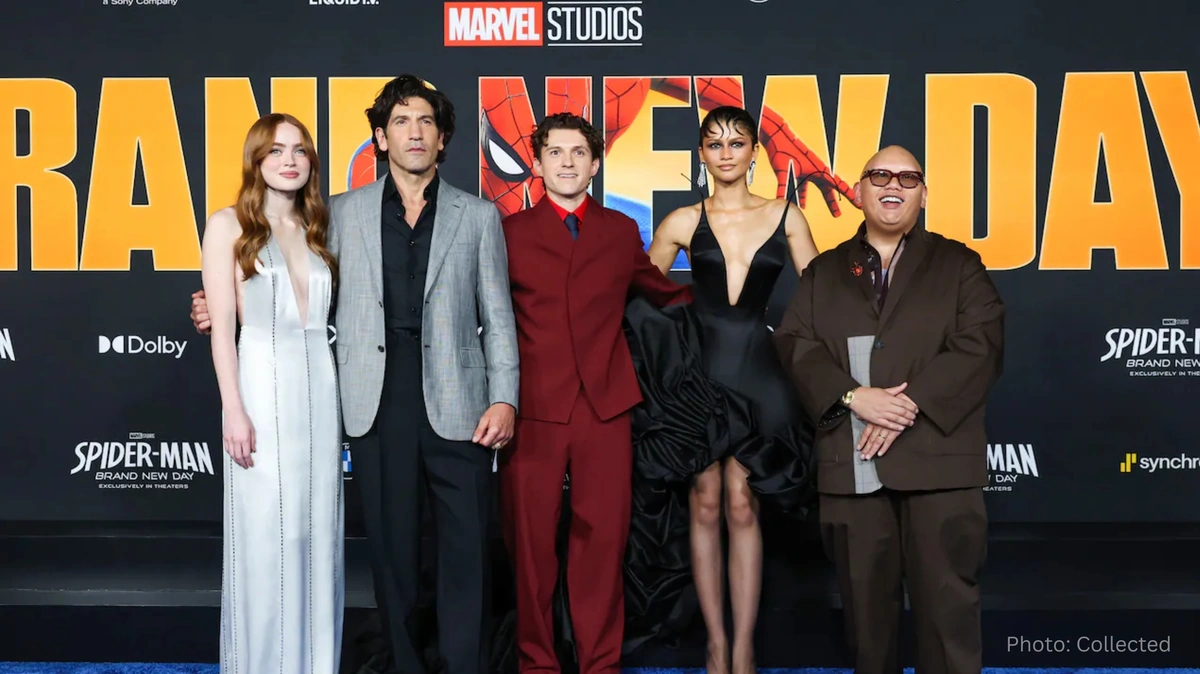

Tom Holland Says Marvel Has a Plan for the Next Spider-Man
August 1, 2026
Elected News
-
Bangladesh Seeks UN Women Support on Digital Harassment and Women’s Empowerment
-
Bangladesh, Australia Discuss Human Trafficking, Irregular Migration and Rohingya Crisis
-

Bangladesh Plans Internet-Free Access to Mobile Banking and Financial Apps
-
DU to Open Undergraduate Admission Applications on 11 November, Tests Begin 5 December


