Yemen Tells UAE Forces to Leave as Tensions Escalate
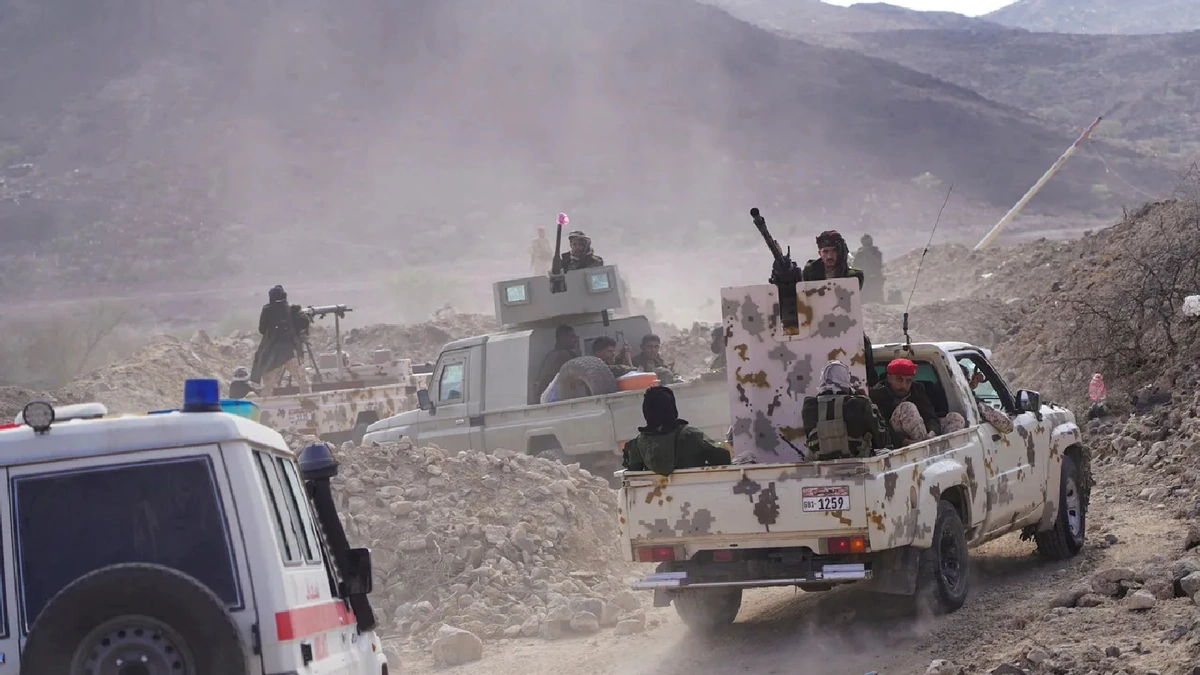
Yemen’s internationally recognized government is itself a fragile alliance that includes representatives of the STC and other groups, united primarily by their opposition to the Iran-aligned Houthi movement.
Yemen’s Presidential Leadership Council has instructed all United Arab Emirates forces to leave the country within 24 hours, scrapping a key security agreement with Abu Dhabi as internal conflicts intensify and regional rivalries deepen.
In decisions announced on Tuesday, the council also declared a state of emergency and ordered a temporary shutdown of air, land, and sea crossings in areas under its control for 72 hours. Council President Rashad al-Alimi confirmed that the joint defence arrangement with the UAE had been terminated, alongside the emergency measures, which will remain in effect for up to 90 days.
The move followed claims by the Saudi-led coalition that it had struck weapons shipments and military vehicles intended for the UAE-backed Southern Transitional Council (STC). According to coalition spokesperson Major General Turki al-Maliki, two ships arriving from the Emirati port of Fujairah entered Yemen’s Mukalla port in late December without authorization from coalition command authorities.
The STC, which advocates for the restoration of an independent South Yemen, has recently expanded its control across large parts of the south, forcing out government troops and allied forces. Fighting escalated after STC fighters seized control of Hadramaut and Al-Mahra provinces earlier this month.
In a televised address, President al-Alimi described the STC’s territorial takeover as an “unacceptable rebellion” and demanded the immediate return of seized areas to government control.
Saudi Arabia has urged the UAE to comply with Yemen’s request by withdrawing its forces within the specified timeframe and halting all military and financial backing for armed factions. Riyadh also voiced concern over what it described as Emirati pressure on STC units to conduct operations close to Saudi Arabia’s southern border.
Yemen’s internationally recognized government is itself a fragile alliance that includes representatives of the STC and other groups, united primarily by their opposition to the Iran-aligned Houthi movement.
The Houthis captured the capital, Sanaa, in 2014 and have since maintained control over much of northern Yemen, forcing government forces to operate largely from the south.
Related News
You may like




Tom Holland Says Marvel Has a Plan for the Next Spider-Man
August 1, 2026
Elected News
-

Bangladesh Seeks UN Women Support on Digital Harassment and Women’s Empowerment
-

Bangladesh, Australia Discuss Human Trafficking, Irregular Migration and Rohingya Crisis
-

Bangladesh Plans Internet-Free Access to Mobile Banking and Financial Apps
-

DU to Open Undergraduate Admission Applications on 11 November, Tests Begin 5 December


