Fakhrul urges an end to India’s dominance
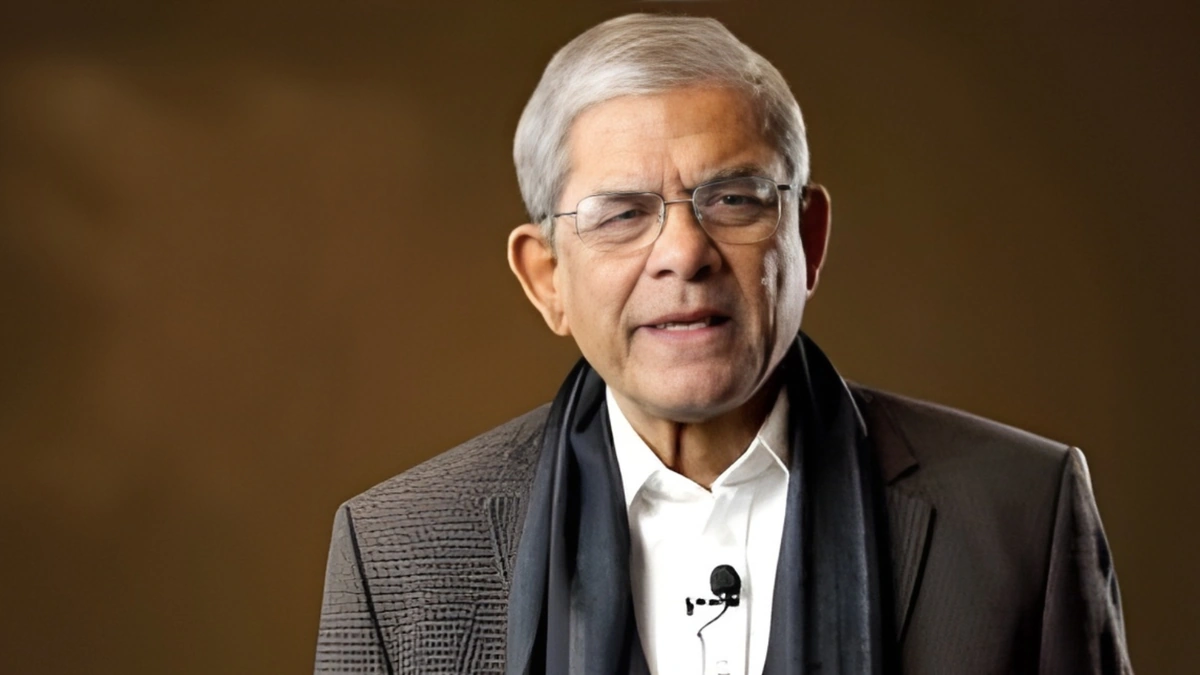
BNP Secretary General Mirza Fakhrul Islam Alamgir has stated that if the BNP comes to power, it will work in the national interest, particularly ensuring fairness in the water-sharing agreements. He added that the party will also try to put an end to India’s bullying.
On Saturday (15 November) afternoon, after inspecting the rubber dam built over the Mahananda River in Chapainawabganj, Mirza Fakhrul Islam Alamgir spoke to journalists.
Mirza Fakhrul said, “We are not getting water from the Padma, as you know. The agreement will expire in 2026. We don’t know what will come after that. Historically, the problem has been that water from the Ganges has been blocked at Farakka, turning large parts of northern and southern Bangladesh into arid lands. Small rivers and canals have dried up, and livelihoods have been affected. Even after talking with them, India has shown no interest in fair water distribution.”
He added that Bangladesh has not received its fair share of water since the water-sharing agreement signed by Ziaur Rahman: “President Ziaur Rahman signed the agreement in 1977, which gave us some water. After that, meetings of the Joint Rivers Commission were irregular. These have become major obstacles for us.”
To demand their rightful share of water, BNP has launched the “Save Padma Movement” under the leadership of their Chapainawabganj-3 candidate Harunur Rashid. Fakhrul said, “Bangladesh is a riverine country, with three major rivers: Padma, Meghna, and Jamuna. By blocking the water of the Padma, the lives and livelihoods of our people have been affected. That is why today we have come here as part of the ‘Save Padma Movement’ led by Harun Sahab. We want to create awareness among the people. If a Ganges barrage is built at Rajbari, it will benefit both the central, southern, and northern regions. This is what we want to convey to the people and make them aware. We want to take this movement worldwide.”
Highlighting the importance of river conservation to sustain Bangladesh, Fakhrul said, “With the current climate change and environmental shifts, if we cannot save our rivers and protect the environment, it will become ecologically very difficult to sustain this country.”
The BNP Secretary General stated that an elected government is necessary to carry out this work. He said, “I must consider the national interest. Every country protects its own interest. Here, it will be the responsibility of whichever government comes to power, to act with the people’s support to enforce these demands. Without an elected government, this issue does not gain importance or strength. Even if someone like Hasina tries to seize power forcibly, it does not work.”
He further stated that if his party comes to power, this issue will be a top priority: “We hope that if the BNP comes to power through the people’s vote, this will undoubtedly become a top priority. Especially the Ganges project, the Farakka issue, and the Teesta matter will receive our highest attention. We are 100% committed. This is our politics. We focus on border killings, balance of trade, and other national interests.”
Related News
You may like




Tom Holland Says Marvel Has a Plan for the Next Spider-Man
August 1, 2026
Elected News
-
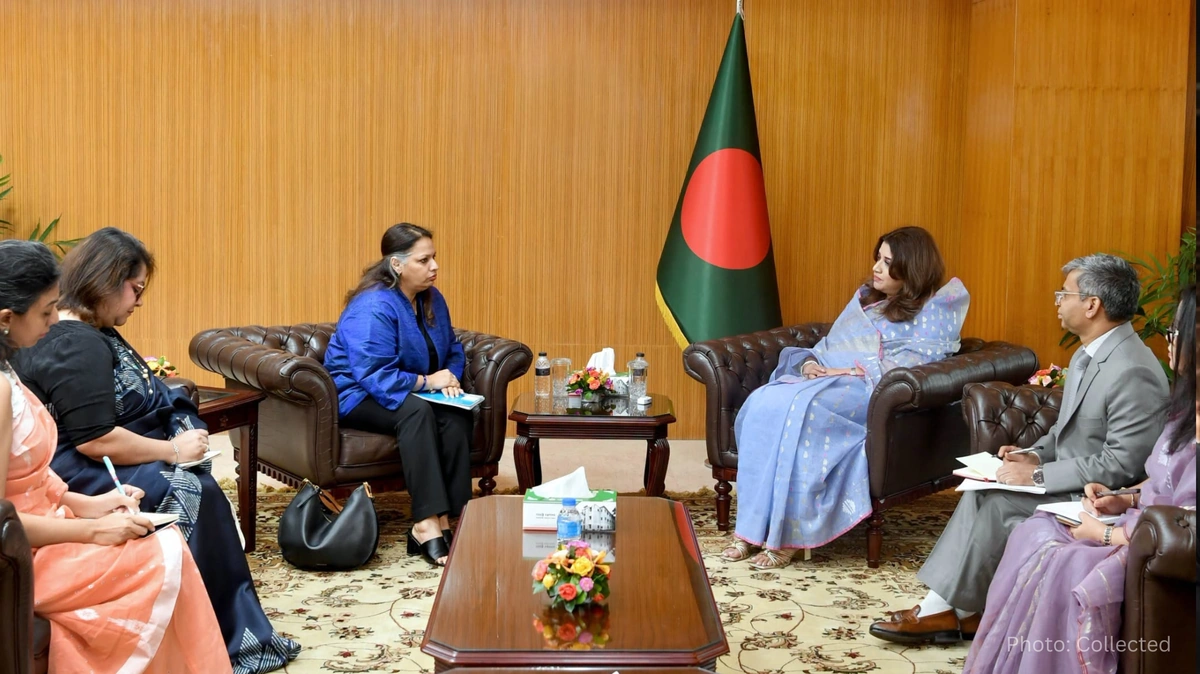
Bangladesh Seeks UN Women Support on Digital Harassment and Women’s Empowerment
-
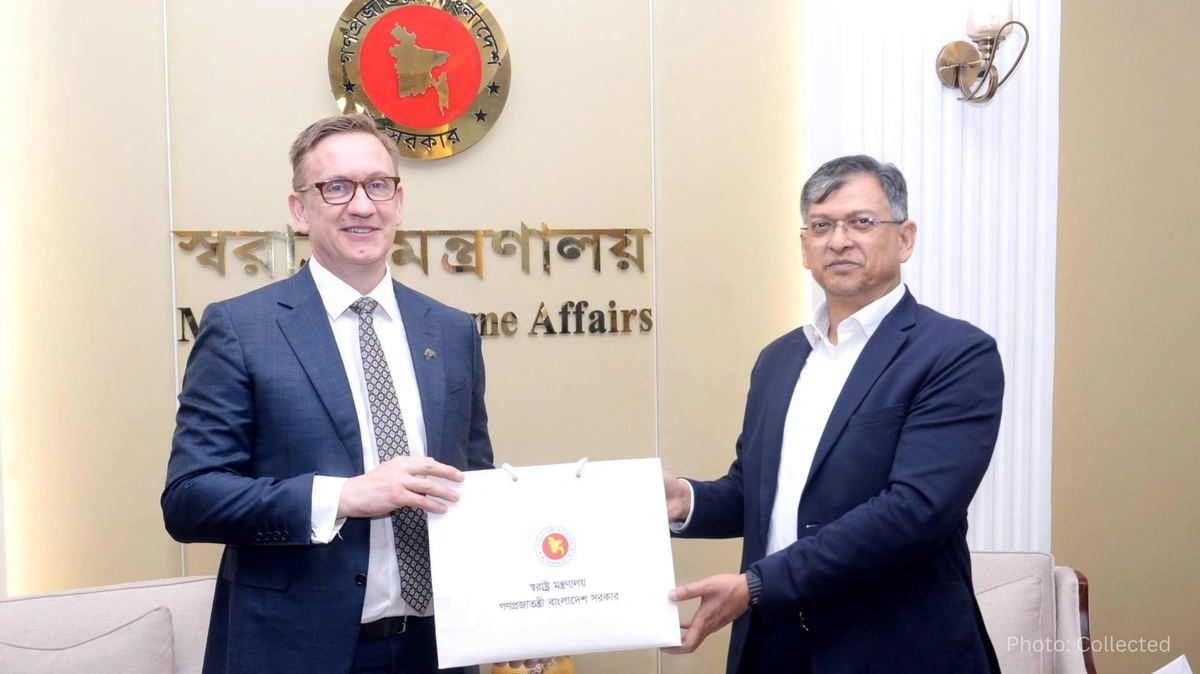
Bangladesh, Australia Discuss Human Trafficking, Irregular Migration and Rohingya Crisis
-

Bangladesh Plans Internet-Free Access to Mobile Banking and Financial Apps
-
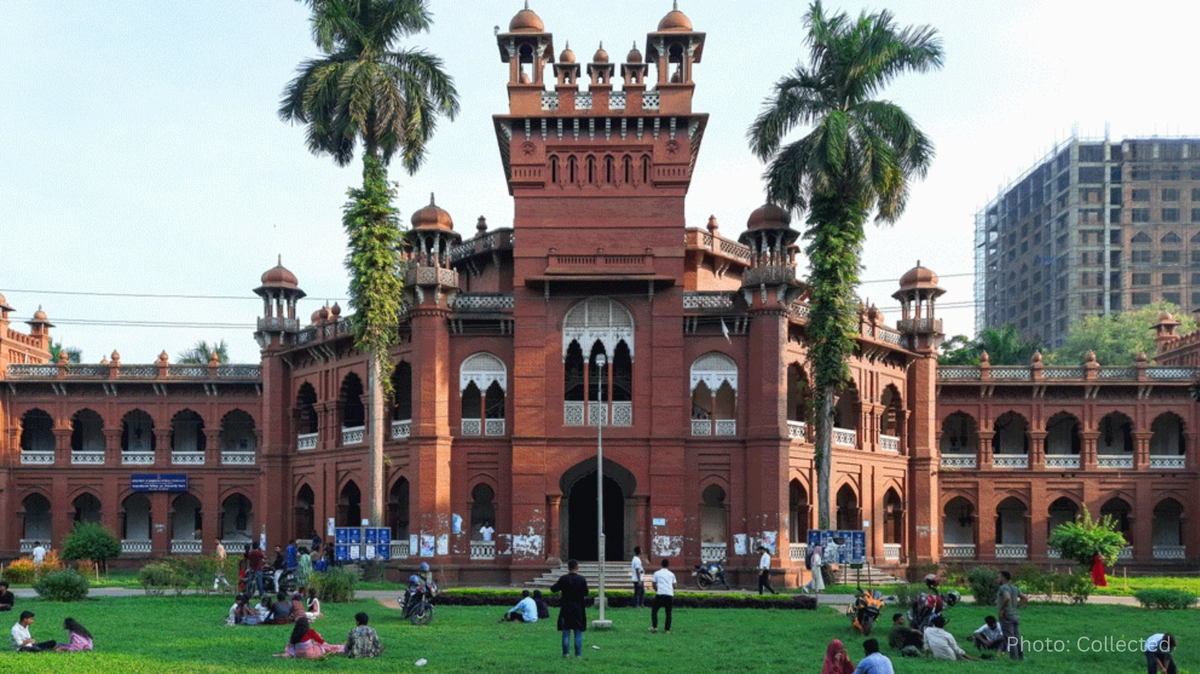
DU to Open Undergraduate Admission Applications on 11 November, Tests Begin 5 December


