How Sheikh Hasina rose and fell in politics
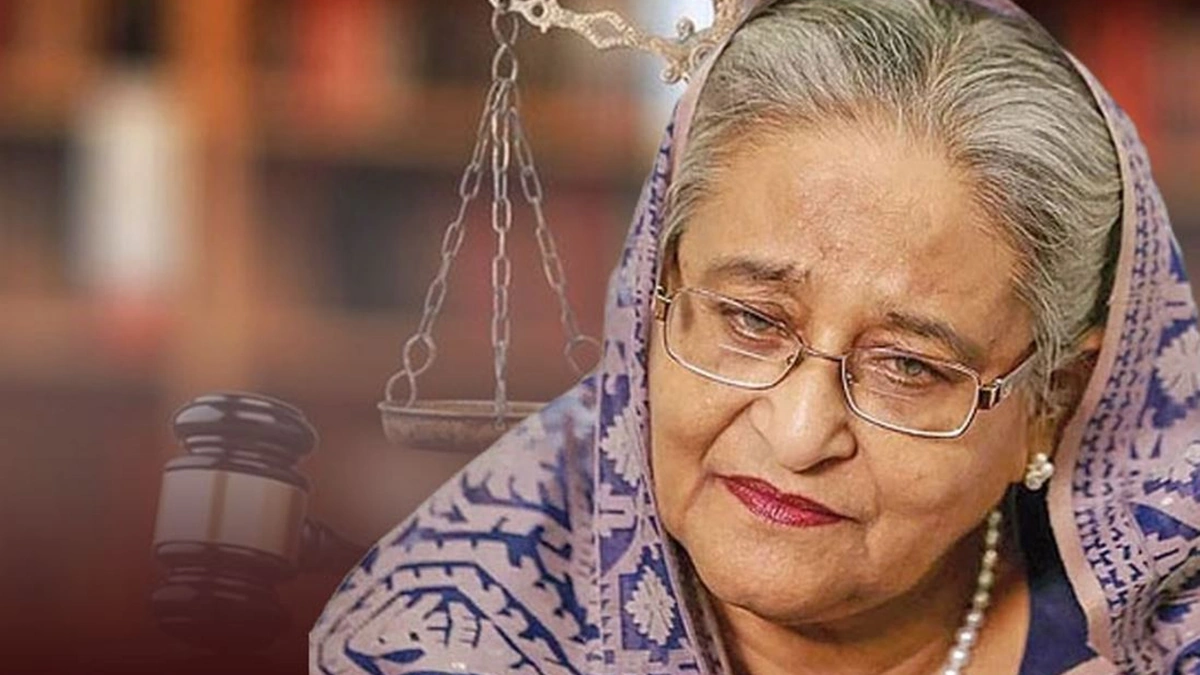
While in India she became the president of the Awami League, and now, from that same India, she has learned that her party’s activities have been banned and that she has been sentenced to death for crimes against humanity. Sheikh Hasina who holds the record as the world’s longest-serving female head of government has experienced both a dramatic rise and a dramatic fall in politics.
According to analysts, Sheikh Hasina has remained a highly visible figure in Bangladeshi politics for nearly 45 years sometimes as the president of the Awami League, sometimes as the leader of the opposition, and at other times as the Prime Minister.
Political analyst Mohiuddin Ahmed notes that she has been one of the central figures in the country’s political landscape for over four and a half decades. Whenever Bangladesh’s politics are discussed, Sheikh Hasina’s name inevitably comes up.
Critics argue that the party she has led for 44 years is now facing threats due to various decisions made during her latest tenure as the party’s top leader. Some opposition members have even called for a complete ban on the Awami League’s activities.
Awami League President While in India
In the 1975 military coup, Bangladesh’s founding president, Sheikh Mujibur Rahman, was killed along with his family. Sheikh Hasina and her sister Sheikh Rehana survived because they were abroad.
The Awami League was left cornered. In 1976, during the military government, the party registered anew under the Political Parties Regulation (PPR) and began to reemerge in the political field.
However, internal disputes over leadership caused fractures within the party. Later, under the initiative of leaders such as Abdur Razzak, Dr. Kamal Hossain, and Begum Zohra Tajuddin, Sheikh Hasina was brought back to lead the party.
In a conference held in February 1981, Sheikh Hasina, daughter of Sheikh Mujibur Rahman, was elected party president. At that time, she was still in voluntary exile in India. She returned to Bangladesh two months after being made party president.
Mohiuddin Ahmed notes that as the daughter of Bangabandhu, she enjoyed widespread acceptance within the party. Her leadership qualities allowed her to establish her influence over the party after becoming president. Many believe her active role in anti-dictatorship movements during Ershad’s rule and her ability to connect with the public also enhanced her acceptability outside the party.
First Female Opposition Leader, Grenade Attack, and Arrest
During the 1991 election campaign, Sheikh Hasina was confident of victory. However, she won 84 seats and became the second-largest party in parliament, making her the country’s first female opposition leader.
In the February 1996 elections, the Awami League protested alleged vote rigging and demanded a caretaker government. In the June 1996 elections, the party won 133 seats, and Sheikh Hasina became Prime Minister for the first time. Her government completed its five-year term and, in 2001, transferred power peacefully for the first time in Bangladesh’s history.
During the eighth parliamentary elections, the BNP-Jamaat coalition defeated the Awami League. In 2004, while serving as the opposition leader, Sheikh Hasina survived a grenade attack at an Awami League rally, which killed 24 people and injured many others.
Two years later, when the BNP government’s term ended, the Awami League insisted on a caretaker government, which led to political violence and the declaration of a state of emergency in 2007. Around this time, the controversial “Minus Two” formula emerged. Sheikh Hasina was arrested once in her long political career due to an extortion case.
Sixteen and a Half Years in Power and Fall
In the ninth national elections of 2008, the Awami League formed the government with a two-thirds majority, and Sheikh Hasina became Prime Minister for the second time.
However, a few months into her tenure, one of Bangladesh’s most controversial incidents occurred the BDR mutiny, in which 57 army officers were killed. There was widespread debate regarding the involvement of some senior Awami League leaders in the incident.
Meanwhile, the Awami League government began prosecuting crimes against humanity committed in 1971, targeting several leaders of the then Jamaat-e-Islami.
On 5 May 2013, Hefazat-e-Islam staged a sit-in at Dhaka’s Shapla Square demanding 13-point demands, which ended violently in a joint force operation. The Ministry of Home Affairs reported 28 deaths, though various human rights organizations claimed the toll was higher.
In 2018, protests over the safe roads movement and quota reforms in government jobs were also violently suppressed. Mohiuddin Ahmed says Sheikh Hasina used her party’s youth and student wings Jubo League and Chhatra League to crush these movements. Analysts note that in 2024, the government again followed a similar approach in suppressing the second phase of the quota reform protests, during which 1,400 people reportedly lost their lives between 1 July and 15 August according to a UN report.
The quota reform protests escalated into a movement demanding the government’s resignation. Facing the mass uprising on 5 August, Sheikh Hasina left the country for India. Mohiuddin Ahmed observes that she secured her safety by sending a few close associates and family members abroad while leaving the rest of the party to face the crisis.
Abolishment of Caretaker Government and Controversial Elections
Critics accuse Sheikh Hasina of undermining Bangladesh’s electoral system, starting with the abolition of the caretaker government system. Mohiuddin Ahmed believes she wanted a “permanent arrangement to stay in power” and sought absolute power, which she openly stated.
Following the abolition of the caretaker system, the three elections held in Bangladesh were widely criticized. The 2014 one-sided election, the 2018 ballot issues, and the 2024 allegations of dummy candidates all drew sharp criticism against the Awami League under Sheikh Hasina’s leadership.
There have also been numerous allegations of extrajudicial killings, suppression of opposition voices, and political repression during her tenure.
While these actions generated public anger, Sheikh Hasina received praise for infrastructure projects like the Padma Bridge and the metro rail system. However, her government has also faced allegations of widespread corruption in these and other projects.
Is a Political Comeback Possible?
Despite various allegations against Sheikh Hasina, her recent conviction for crimes against humanity and the death sentence raises questions about any possibility of her returning to politics. Analysts suggest that the answer will depend on who comes to power next and how they act.
Mohiuddin Ahmed adds, “If those who come after her perform worse than her, or in a similar manner, there could be a situation that allows Sheikh Hasina a political comeback.”
Related News
You may like




Tom Holland Says Marvel Has a Plan for the Next Spider-Man
August 1, 2026
Elected News
-
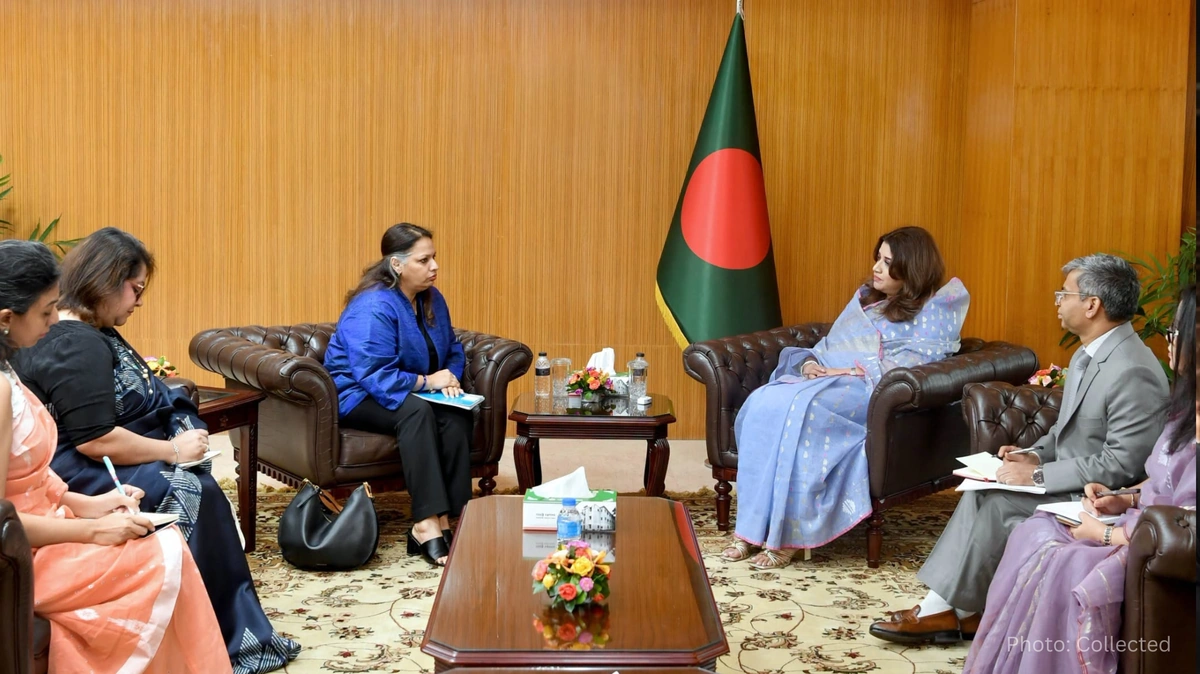
Bangladesh Seeks UN Women Support on Digital Harassment and Women’s Empowerment
-
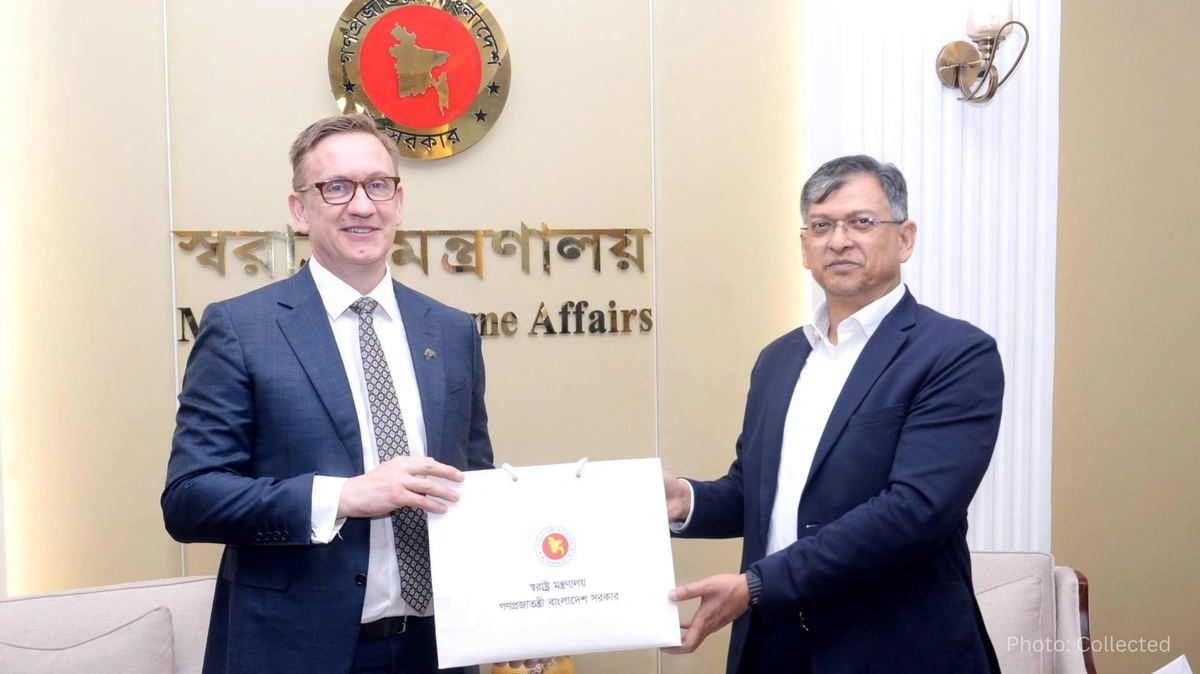
Bangladesh, Australia Discuss Human Trafficking, Irregular Migration and Rohingya Crisis
-

Bangladesh Plans Internet-Free Access to Mobile Banking and Financial Apps
-
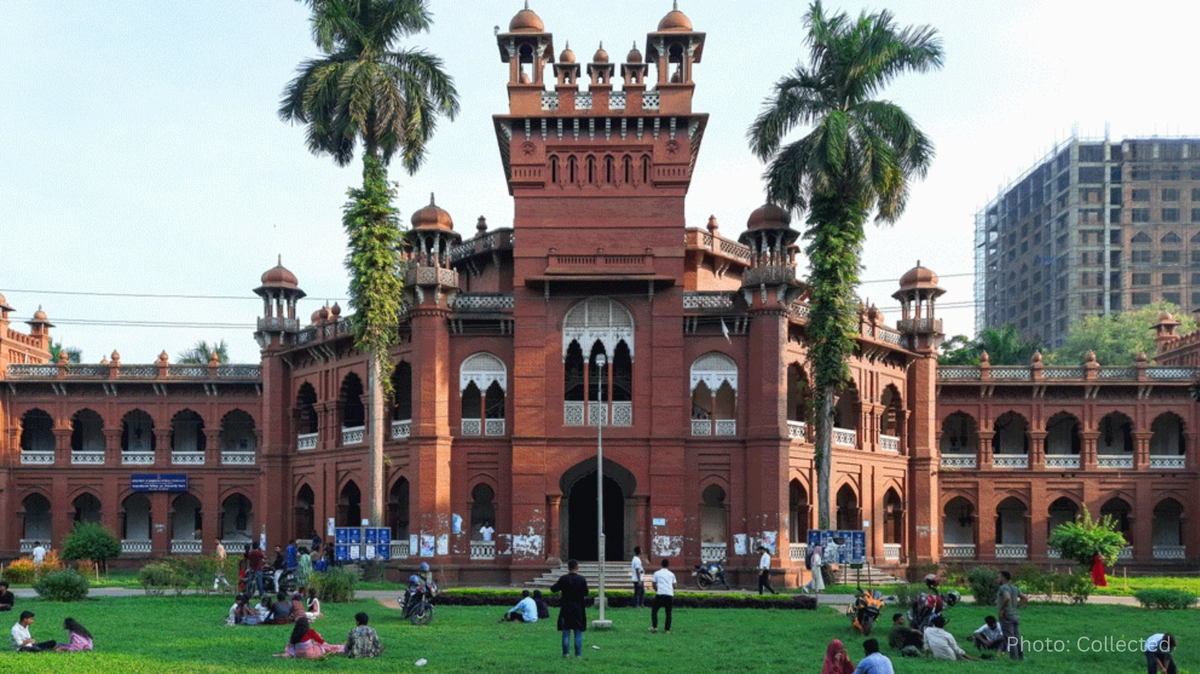
DU to Open Undergraduate Admission Applications on 11 November, Tests Begin 5 December


