Onion Prices Soar in Dhaka; Retail Rates Jump from Tk70 to Tk120 per kg in a Week
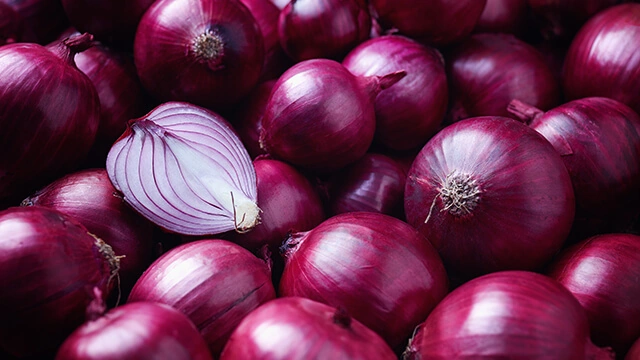
Onion prices in Dhaka have skyrocketed, with retail outlets now selling the kitchen staple for as high as Tk120 per kilogram, compared to just Tk70 last week. The surge in prices has raised concerns among consumers and market experts.
Onion prices have surged dramatically in Dhaka, with retail outlets now charging between Tk110 and Tk120 per kilogram, a rise of Tk40–50 in just one week. The sharp price hike has sparked frustration among consumers who are struggling with the sudden escalation of the essential commodity.
At wholesale markets, the price per palla (5 kg) has doubled from Tk260 to Tk520, with some traders charging as much as Tk540 per palla, indicating that wholesale rates have crossed Tk100 per kilogram. The drastic rise has been attributed to a combination of dwindling supply and increased demand, with traders citing that the supply has dwindled significantly compared to last week.
Traders like Shariful from Uttar Badda kitchen market pointed out that the price of onions had increased by Tk26–28 per kg within just two to three days. According to Aminul, another trader, the prices have been on the rise since the end of October due to shrinking supply.
Consumers, however, have expressed their dissatisfaction with the price surge. Fahmidul, a shopper at Karwan Bazar, stated, "Just three days ago, onions were Tk80 a kg. Now it's over Tk100. There's no logic behind such a sudden spike."
Despite complaints, wholesalers attribute the rise in prices to the increasing cost of onions at the source and blame middlemen for stockpiling the supply to inflate prices. "We had to buy at Tk4,000 per maund. Once we started selling, the market price jumped overnight," said Sanoar Hossain, a wholesaler at Uttar Badda.
Authorities have acknowledged that the price hike is partly seasonal, with the supply running low until new onions come in from the harvest. Zahidul Islam, Senior Agricultural Marketing Officer at the Department of Agricultural Marketing, explained that onion prices typically rise between late October and early December due to a gap in supply.
The situation has been exacerbated by import restrictions and high onion prices in neighboring India, which has added pressure on the domestic market. The Commerce Ministry is considering whether to allow imports to stabilize prices but is waiting for the local harvest to hit the market.
Farmers in the onion-producing regions, such as Pabna, Faridpur, and Rajbari, have also been affected by the rising prices, but they remain skeptical about the long-term sustainability of onion farming. "We lost money last year. Even though prices are high now, they drop sharply once new onions arrive," said Arshad Molla, a farmer from Sathia, Pabna.
The government has expressed hopes that the new harvest of murikata onions will soon alleviate the pressure. However, many traders and consumers are concerned about the impact of delayed harvests on the market.
Consumer rights groups, like the Consumers Association of Bangladesh (CAB), have raised concerns about market manipulation. "A vested group is taking advantage of the current political instability to create an artificial crisis. The government must intervene to stop these practices," said CAB Vice President Nazer Hossain.
As the price surge continues, experts are calling for stronger market monitoring to prevent further price manipulation and ensure fair pricing for consumers.
Related News




You may like




Tom Holland Says Marvel Has a Plan for the Next Spider-Man
August 1, 2026
Elected News
-

Bangladesh Seeks UN Women Support on Digital Harassment and Women’s Empowerment
-

Bangladesh, Australia Discuss Human Trafficking, Irregular Migration and Rohingya Crisis
-

Bangladesh Plans Internet-Free Access to Mobile Banking and Financial Apps
-

DU to Open Undergraduate Admission Applications on 11 November, Tests Begin 5 December


