Panchagarh's Tea Industry Thrives as Pruning Efforts Boost 500-Crore-Taka Industry
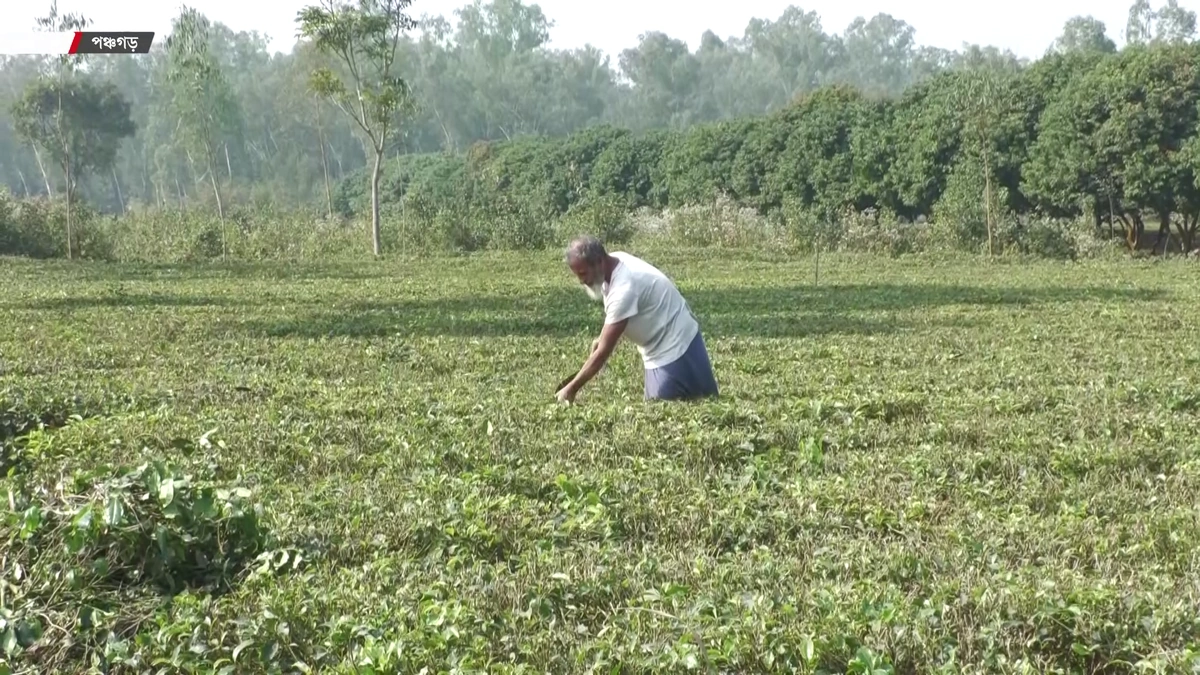
Tea Gardens in Panchagarh Witness Busy Pruning Activity Amid Efforts to Revive the Industry
The tea gardens in Panchagarh, the "capital of tea" in Bangladesh, are buzzing with activity as they begin the pruning process after a brief pause in tea picking and processing in the first week of January. This two-month window, during which tea plucking and processing plants close, is being used to care for the tea plants.
On the ground, workers are busy clearing weeds, cutting branches, and pruning the trees to ensure healthy growth and higher production in the upcoming season. This process, essential for ensuring healthy tea plants, guarantees optimal growth and a better harvest for the next season.
Tea garden owners and workers, despite facing several challenges over the years, have expressed optimism. With the help of the district administration and the Bangladesh Tea Board, the industry is now showing signs of recovery. However, challenges like pesticide shortages remain.
Jabbar Mia, a worker in the garden, explained that without the regular tea plucking season, they are focused on maintaining the plants by applying pesticides and fertilizers. With proper care, they expect a good harvest in two months.
Manik Khan, a tea garden owner, expressed that despite past issues with syndicates, the industry is now thriving, with good prices for tea. He hopes the trend continues and calls for strict measures to protect the industry.
In 2025, Panchagarh produced 1.72 million kilograms of tea, marking a significant increase from the previous year. With ongoing efforts to improve the quality and quantity of production, the tea industry in Panchagarh is poised for continued growth, contributing nearly 22% of the national tea production.
The district administration and the Bangladesh Tea Board have also undertaken several initiatives to ensure the protection of the nearly 500-crore-taka industry. Regular mobile courts have been conducted to maintain quality, with a clear commitment to safeguarding the industry for the future.
The tea cultivation in Panchagarh began in 2000 and has since expanded to surrounding areas, with 11,599.89 acres now dedicated to tea farming. As of 2025, the gardens in Panchagarh produced 9.77 million kilograms of green tea, from which 2.02 million kilograms of processed tea was produced. This marks a significant achievement for the region and the industry as a whole.
Related News
You may like




Tom Holland Says Marvel Has a Plan for the Next Spider-Man
August 1, 2026
Elected News
-

Bangladesh Seeks UN Women Support on Digital Harassment and Women’s Empowerment
-

Bangladesh, Australia Discuss Human Trafficking, Irregular Migration and Rohingya Crisis
-

Bangladesh Plans Internet-Free Access to Mobile Banking and Financial Apps
-
DU to Open Undergraduate Admission Applications on 11 November, Tests Begin 5 December


