Tangail saree nominated for inclusion in UNESCO’s list of cultural heritage
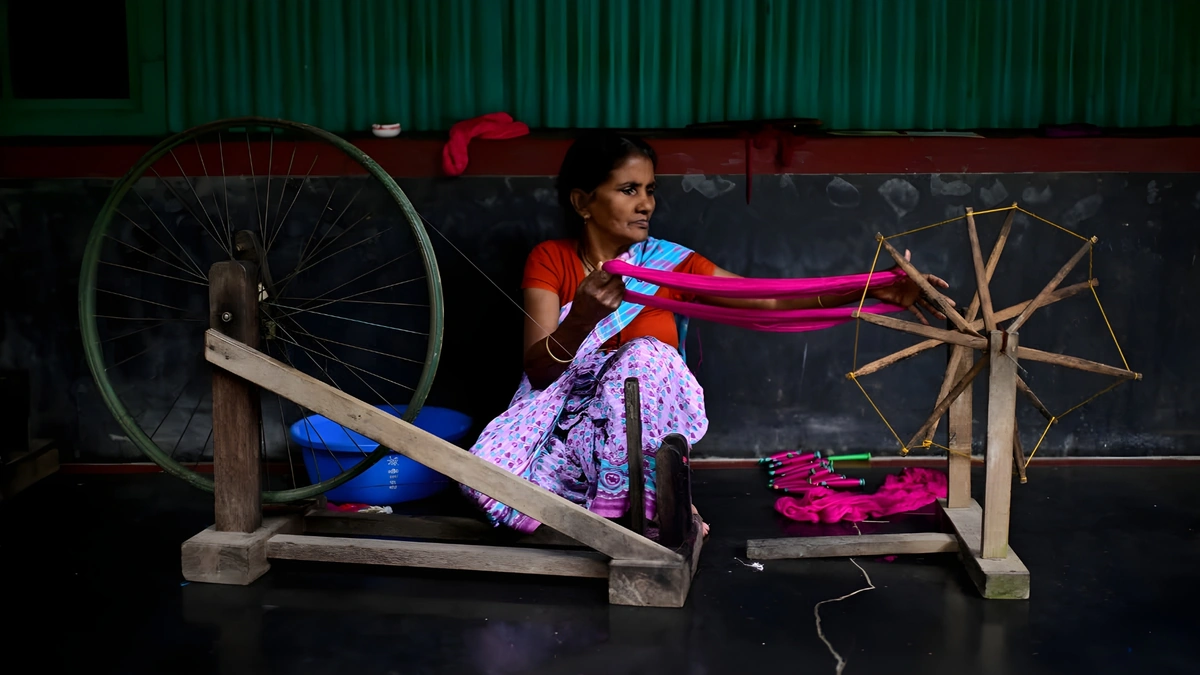
Just a short distance from Dhaka, in various workshops of Tangail, the rhythmic sounds of handloom weaving can be heard. Weavers use colorful silk and cotton threads to create the famous Tangail saree.
This handloom saree is named after the area where hundreds of weaver families reside. The saree is recognized as a cultural symbol of Bangladesh and is widely showcased across the Indian subcontinent during festivals and wedding ceremonies.
This centuries-old traditional saree weaving craft has been nominated this year for inclusion in UNESCO’s Intangible Cultural Heritage of Humanity list.
Each saree is crafted through a blend of tradition and artistry. It features aesthetic designs and intricate motifs inspired by local culture. Typically, men dye threads and weave the fabric to create the patterns, while women assist by spinning the threads on the charkha (spinning wheel).
However, with rising raw material costs and the prevalence of cheap, machine-made fabrics, fewer young people are interested in continuing the weaving profession. The weavers hope that UNESCO recognition and acknowledgment of the saree’s heritage will help preserve this craft for future generations.
The Tangail saree is not just a cultural symbol; it is also the source of livelihood for hundreds of weaver families.
Related News




You may like




Tom Holland Says Marvel Has a Plan for the Next Spider-Man
August 1, 2026
Elected News
-
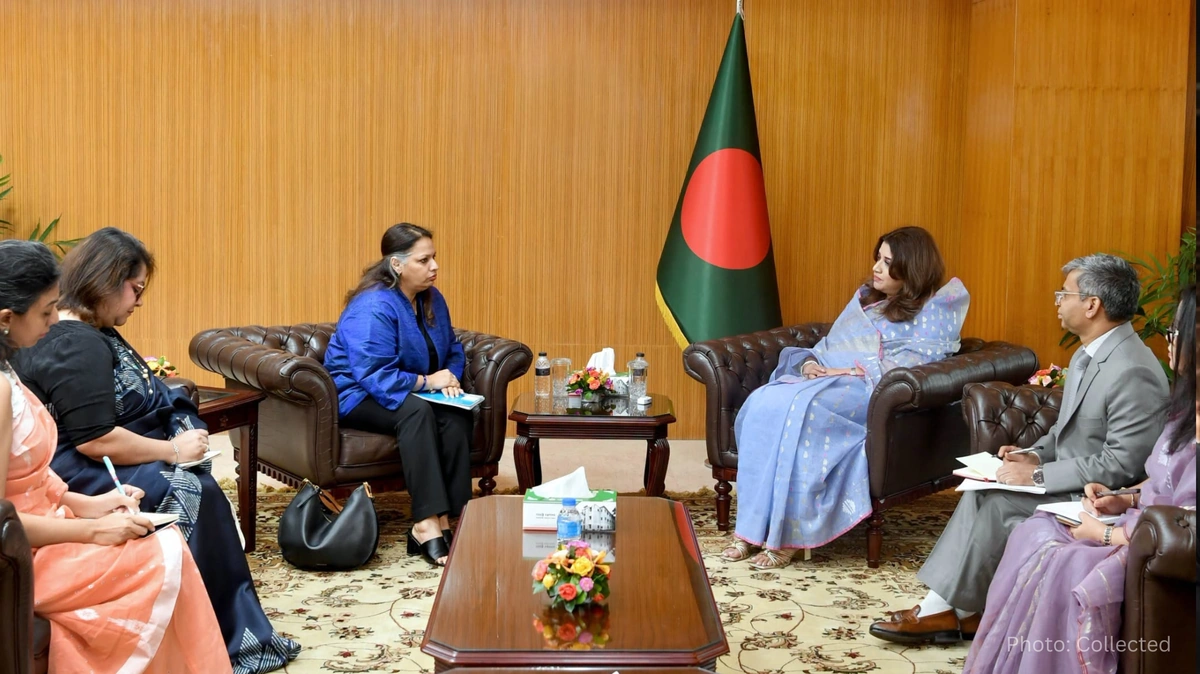
Bangladesh Seeks UN Women Support on Digital Harassment and Women’s Empowerment
-

Bangladesh, Australia Discuss Human Trafficking, Irregular Migration and Rohingya Crisis
-

Bangladesh Plans Internet-Free Access to Mobile Banking and Financial Apps
-
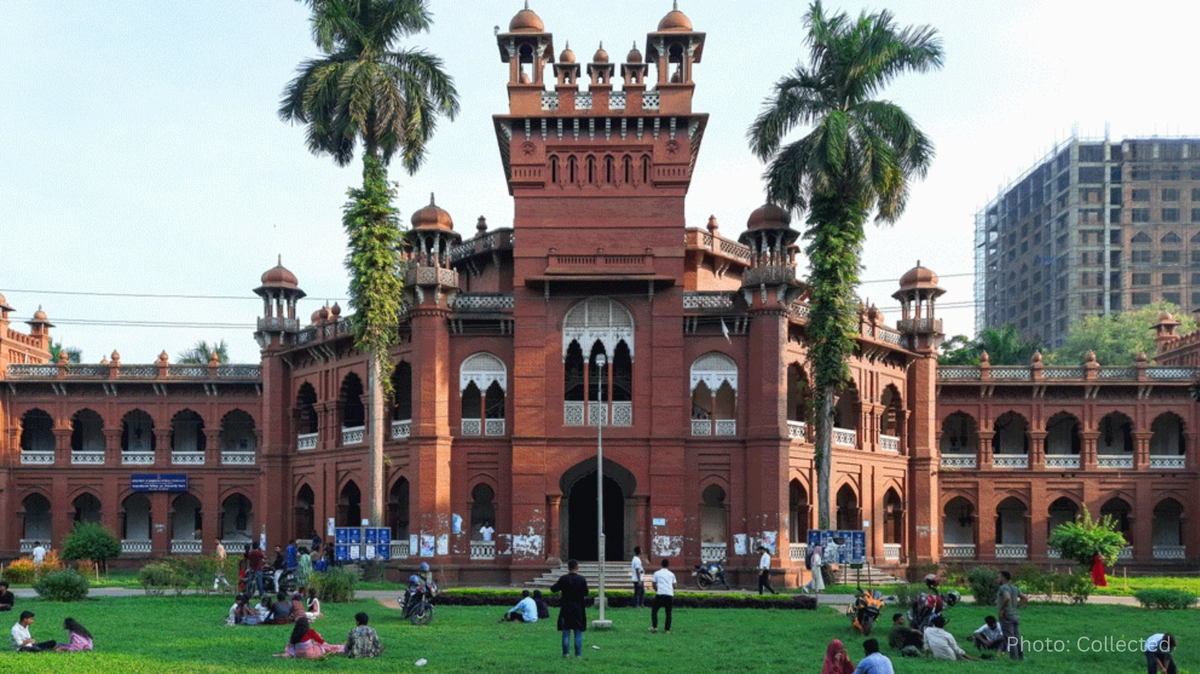
DU to Open Undergraduate Admission Applications on 11 November, Tests Begin 5 December


