What Happens If You Don’t Vote? Why a Single Ballot Can Change History
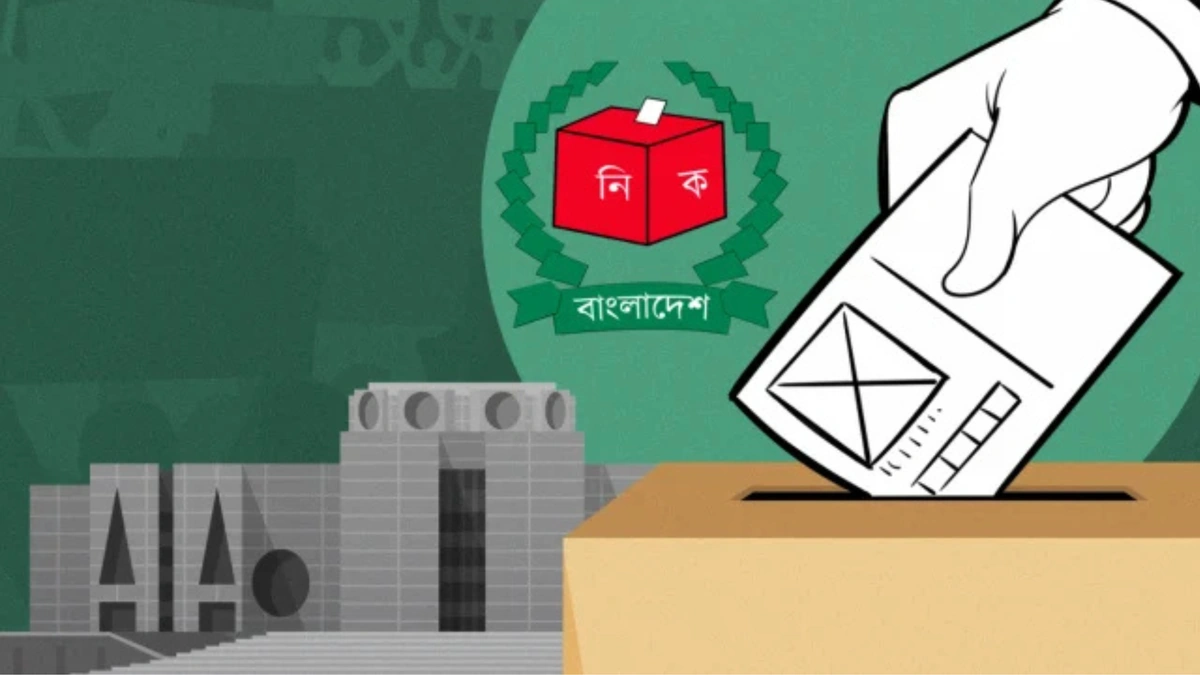
As Bangladesh heads into the 13th national parliamentary election, history offers powerful reminders that even one vote can alter political outcomes and shape a nation’s future.
Dhaka, February 11, 2026 — Millions of voters are set to cast their ballots in Bangladesh’s 13th national parliamentary election on February 12. Amid the election-day enthusiasm, a common but critical question often arises in the minds of voters: Does one vote really matter?
History repeatedly answers that question with a resounding yes. From local elections to global power shifts, narrow margins—sometimes as slim as a single vote—have changed governments, leadership, and even the course of nations.
One of the most cited examples comes from India’s 2008 Rajasthan Assembly election. Senior Congress leader C.P. Joshi, widely expected to become chief minister, lost his seat by just one vote. Joshi received 62,215 votes, while his rival secured 62,216—proving how a single ballot can overturn political expectations.
Similar instances are found closer to home. In Bangladesh’s Nilphamari district in 2021, a union parishad member election was decided by a margin of one vote. In Dhaka University’s 2025 DUCSU election, the assistant general secretary post in S.M. Hall was decided by just two votes, dramatically changing student leadership outcomes.
Globally, the impact of razor-thin margins is even more striking. In 1999, Indian Prime Minister Atal Bihari Vajpayee’s government collapsed after losing a parliamentary confidence vote by a single vote. In the United States, George W. Bush won the 2000 presidential election after securing Florida by just 537 votes—only a fraction of a percentage point—ultimately determining the occupant of the White House.
Perhaps most historically significant was France’s 1875 vote to abolish the monarchy and establish a republic. The proposal passed by a margin of just one vote, permanently reshaping the country’s political system.
These examples underline a central truth of democracy: no voter is insignificant. Each ballot carries the potential to influence leadership, policy, and national direction. Choosing not to vote is, in effect, surrendering that influence to others.
As Bangladesh prepares to choose its representatives for the next five years, the message from history is clear—democracy is built one vote at a time, and every single vote counts.
Related News
You may like




Tom Holland Says Marvel Has a Plan for the Next Spider-Man
August 1, 2026
Elected News
-
Bangladesh Seeks UN Women Support on Digital Harassment and Women’s Empowerment
-

Bangladesh, Australia Discuss Human Trafficking, Irregular Migration and Rohingya Crisis
-

Bangladesh Plans Internet-Free Access to Mobile Banking and Financial Apps
-
DU to Open Undergraduate Admission Applications on 11 November, Tests Begin 5 December


