World Bank to back Dhaka slum model projects, minister says
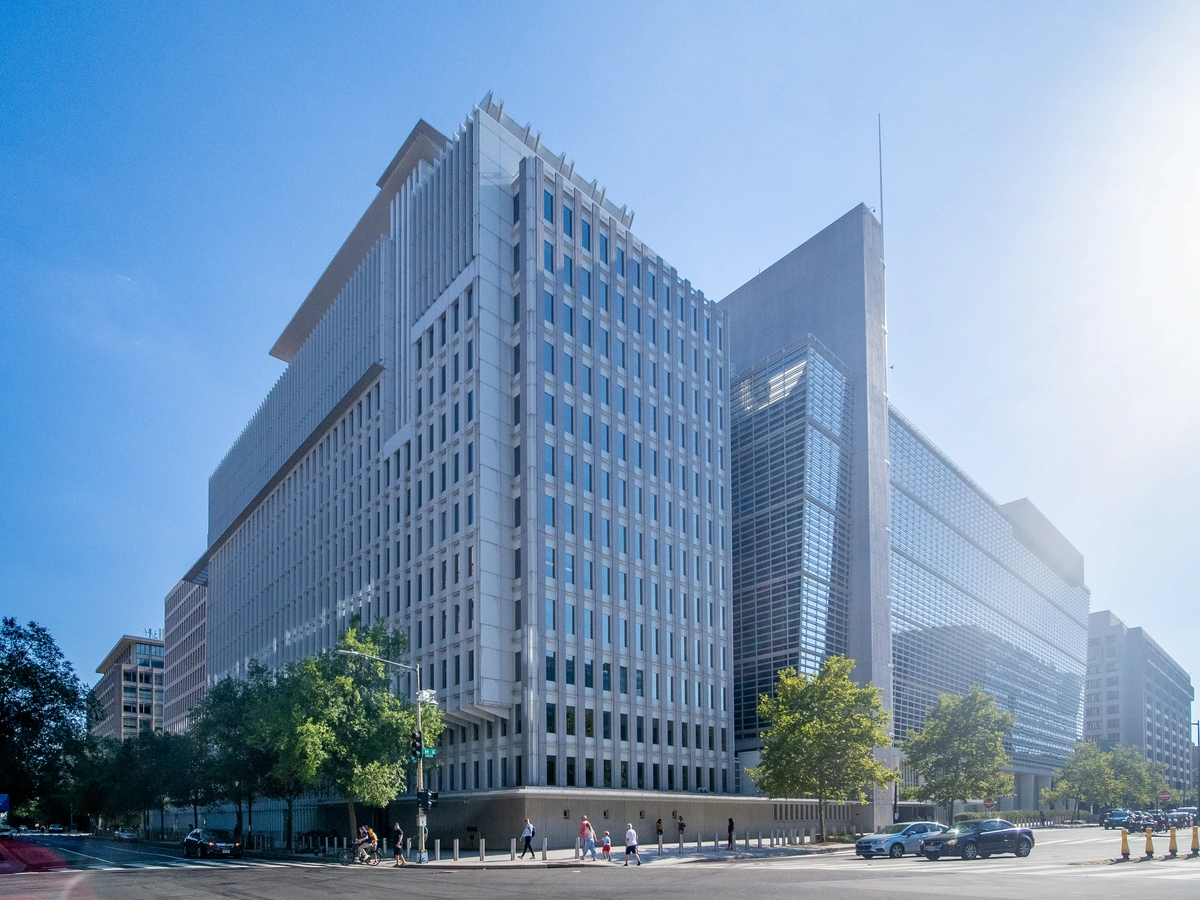
The Bangladesh government plans to launch World Bank-backed model projects to improve living standards in Dhaka slums. Local Government Minister Abdul Moyeen Khan announced the initiative following a meeting with a World Bank delegation.
The Bangladesh government has announced plans to introduce 'model projects' aimed at improving the living standards of low-income residents in Dhaka slums, with financial and technical support from the World Bank. Local Government Minister Abdul Moyeen Khan revealed the development on Monday at the Secretariat, following a meeting with a World Bank delegation.
Speaking to journalists, the minister stated that the global lender has agreed to back the programme. The World Bank delegation was led by Jean Pesme, the organisation's division director for Bangladesh and Bhutan. The initiative specifically targets informal settlements in the capital, including the well-known slums of Korail and Bhashantek.
The minister highlighted the significant strain on the capital's infrastructure, noting that many estimates suggest between 20 and 30 million people now live in Dhaka. He said the government has held discussions with the World Bank to make the city more liveable and comfortable, adding that the bank has agreed to extend its full cooperation in these efforts.
Outlining the government's focus on urban slum dwellers, Khan stressed the need to uplift low-income citizens who work day and night while living in informal settlements. He said the government has identified one or two slums, such as Korail, Bhashantek, or a few similar settlements, to serve as models for the programme.
The minister said the government hopes to establish these model projects within the next year or two to improve the livelihoods of poor and working-class people. When asked about the projected budget for the scheme, Khan noted that the initiative remains in the planning phase and that financial details would be disclosed once finalised.
During the briefing, the minister also mentioned that the World Bank has already agreed to provide $200 million to build climate resilience and sustain livelihoods in Bangladesh's coastal regions. This separate funding stream highlights the broader scope of the institution's engagement with the country's development challenges.
Khan described the World Bank as one of Bangladesh's premier development partners and explained why Dhaka favours the institution over bilateral lenders. He stated that taking bilateral loans from other countries entails high interest rates, whereas the World Bank offers financing at the lowest rates, which is why Bangladesh always prioritises the institution.
Following the meeting, World Bank Division Director Jean Pesme told reporters that he had held 'very fruitful discussions' with the minister regarding broader local government issues. Praising the government's ambition to make the capital more habitable, Pesme said they discussed how they can support the improvement of the most challenging parts of the city through pilot projects that can serve as models.
Pesme added that the World Bank shared international experiences and, in alignment with Bangladesh's context, wants to work alongside other development partners to launch small-scale initiatives that will bring about real change in residents' lives. The collaboration aims to address the complex urban challenges facing Dhaka's growing population through targeted, evidence-based interventions.
You may like
India considers rice export duties as domestic prices rise
November 23, 2026

China trade surplus hits $1 trillion as tech exports reach 33%
November 23, 2026

India and Singapore AI partnership could challenge US and China
November 23, 2026
Sanofi and KSrelief partner to expand vaccine access in crisis zones
November 23, 2026
Elected News
-
Bangladesh Seeks UN Women Support on Digital Harassment and Women’s Empowerment
-
Bangladesh, Australia Discuss Human Trafficking, Irregular Migration and Rohingya Crisis
-
Bangladesh Plans Internet-Free Access to Mobile Banking and Financial Apps
-
DU to Open Undergraduate Admission Applications on 11 November, Tests Begin 5 December


