OpenAI files counterclaims accusing Apple of stealing trade secrets
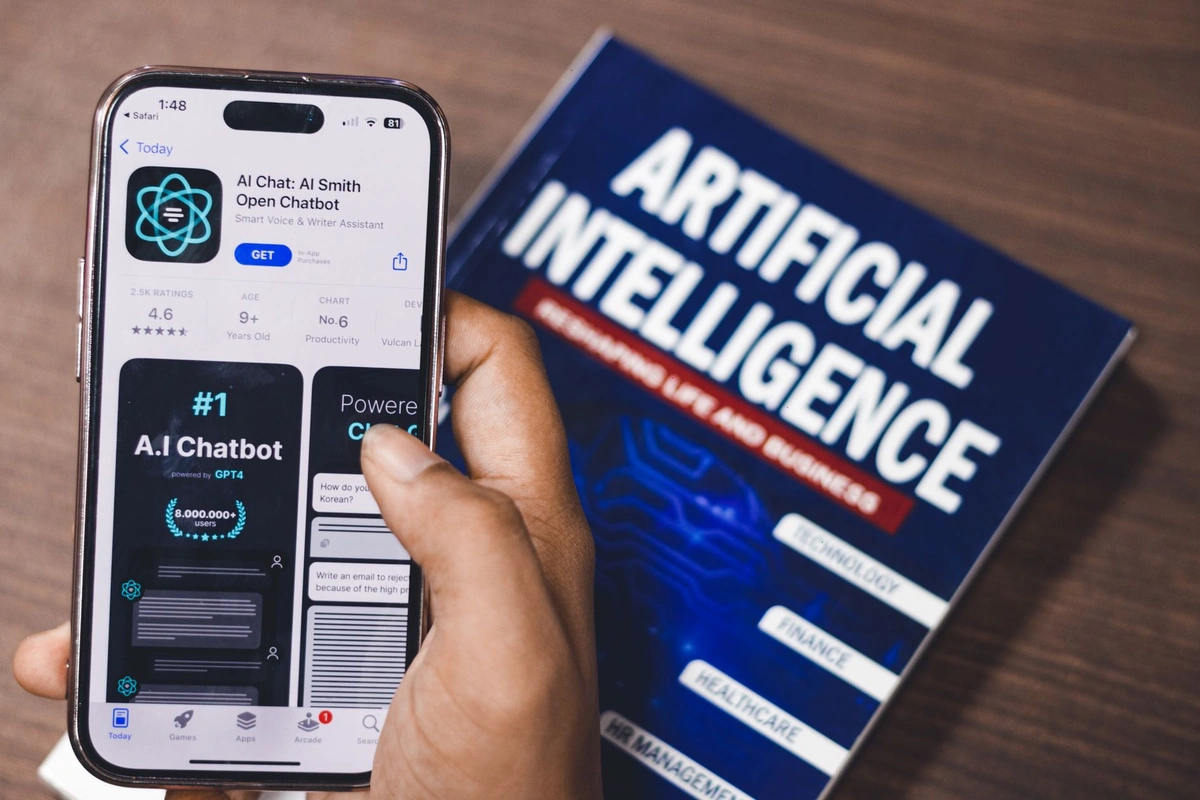
OpenAI has filed counterclaims against Apple in a California federal court, accusing the iPhone maker of stealing trade secrets and obstructing hardware access. The legal action follows an earlier lawsuit by Apple alleging employee poaching.
OpenAI has filed legal counterclaims against Apple in a California federal court, accusing the technology giant of stealing trade secrets and blocking its access to hardware suppliers. The filing comes in response to an earlier lawsuit brought by Apple, which previously alleged that OpenAI had poached its employees to acquire proprietary technology. Relations between the two corporations have deteriorated sharply as the race to build advanced artificial intelligence systems fuels an intense battle for engineering talent and intellectual property.
In the court documents submitted on Friday, OpenAI alleged that Apple maintains employment practices deliberately structured to trap workers and prevent them from contributing to rival technologies. The ChatGPT maker stated that it is currently developing artificial intelligence-enabled personal electronic devices designed to challenge Apple on its core territory. According to OpenAI, these hardware ambitions threaten traditional operating systems and could eventually draw consumer attention away from the iPhone.
The legal filings further claim that Apple secured confidential information by re-hiring a former employee who had spent six months working at OpenAI. During that tenure, the individual allegedly gained access to sensitive details regarding unreleased devices and future hardware roadmaps. OpenAI noted in the court filing that the timing of the employee's departure suggests the primary motivation for joining might have been the acquisition of confidential documents.
Earlier in July, Apple initiated legal proceedings against OpenAI and two former employees, claiming they misappropriated trade secrets to support the artificial intelligence creator's entry into consumer hardware. OpenAI has consistently denied those initial allegations, maintaining that its recruitment methods are lawful and that its competitive push into hardware is independent. Industry analysts suggest that OpenAI is actively developing a proprietary smartphone or alternative electronic device to challenge established market leaders.
The unfolding litigation highlights a broader strategic struggle for dominance over next-generation artificial intelligence hardware that may bypass conventional apps and operating systems entirely. As artificial intelligence integration reshapes consumer electronics, both firms view control over future interface devices as critical to long-term commercial survival. OpenAI warned in its court filings that Apple's legal and institutional measures are designed to preemptively stifle this emerging hardware competition.
OpenAI also used the Friday filing to criticise Apple's internal data management practices, stating that the company encourages staff to utilise personal devices and accounts for professional tasks. The filing alleges that Apple subsequently hinders departing workers from separating personal and professional data, allowing the firm to monitor former employees and intimidate others considering moves to competing technology firms. OpenAI disclosed that 400 former Apple employees have joined its workforce to date amid this ongoing corporate migration.
Representatives for both Apple and OpenAI did not immediately respond to requests for comment regarding the latest legal developments in the California federal court. Legal experts anticipate that the proceedings will involve extensive discovery regarding hiring practices, intellectual property handling, and the internal development schedules of both corporate entities. The court has yet to set a date for the next scheduled hearing in the mounting legal conflict.
You may like

Bangladesh to replace mouja land rates with market-based valuation
November 28, 2026

Netherlands lobbies against US MATCH Act over chip export controls
November 27, 2026

Taiwan holds nuclear power referendum amid rising energy demand
November 27, 2026
Elected News
-

Bangladesh Seeks UN Women Support on Digital Harassment and Women’s Empowerment
-

Bangladesh, Australia Discuss Human Trafficking, Irregular Migration and Rohingya Crisis
-

Bangladesh Plans Internet-Free Access to Mobile Banking and Financial Apps
-

DU to Open Undergraduate Admission Applications on 11 November, Tests Begin 5 December


