Plastic Pollution in Rivers Reaches Alarming Levels, Threatening Ecosystems and Public Health
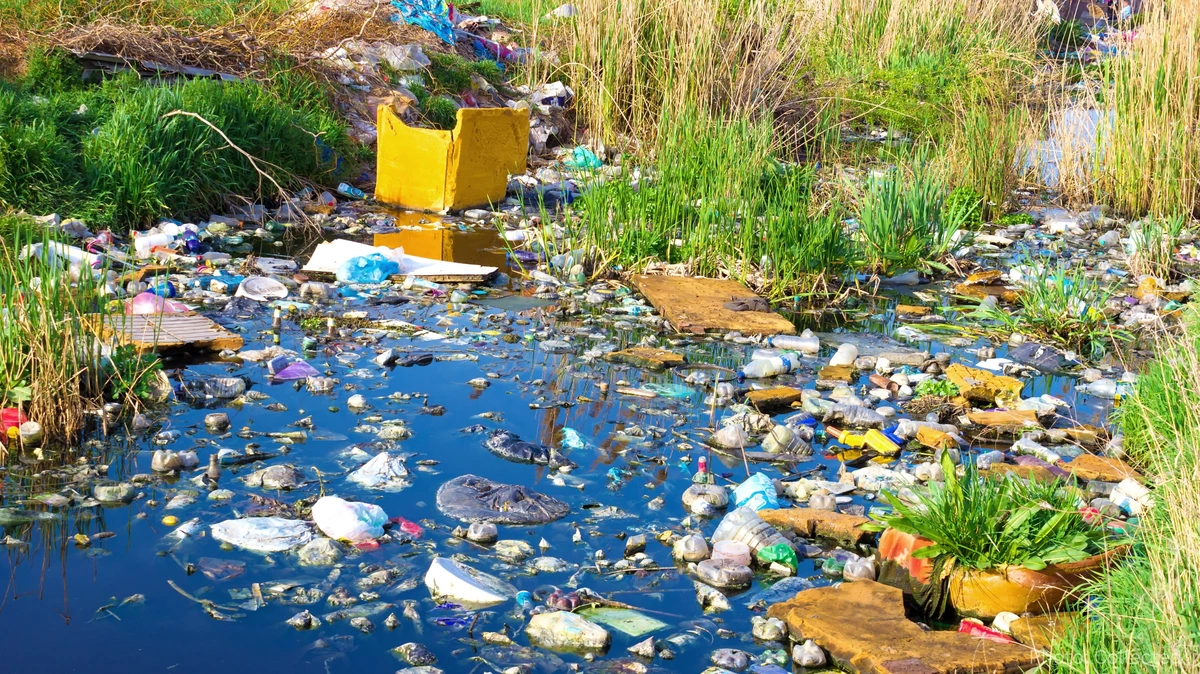
Environmental experts are raising concerns over the growing volume of plastic waste entering rivers, warning that unchecked pollution is damaging aquatic ecosystems, endangering wildlife, and creating long-term risks for human health and local economies.
Plastic pollution in rivers has become a major environmental challenge across the world, with scientists and conservationists warning that waterways are increasingly serving as conduits carrying millions of tonnes of plastic waste into oceans each year. The problem has sparked renewed calls for stronger waste management systems, public awareness campaigns, and coordinated policy action to address one of the most persistent forms of pollution.
Rivers play a vital role in supporting biodiversity, providing drinking water, sustaining agriculture, and supporting economic activities. However, many waterways are now burdened with plastic bottles, shopping bags, food packaging, fishing gear, and other discarded materials that accumulate along riverbanks and float through aquatic ecosystems.
Environmental studies indicate that a significant portion of marine plastic pollution originates from rivers. Once plastic enters a river system, it can travel hundreds of kilometres before eventually reaching coastal areas and oceans, where it continues to pose environmental threats for decades or even centuries.
Experts note that plastic waste does not simply disappear. Instead, larger items gradually break down into smaller fragments known as microplastics. These tiny particles can contaminate water sources and enter the food chain through fish and other aquatic organisms, creating concerns about long-term ecological and human health impacts.
In many developing countries, rapid urbanisation, inadequate waste collection systems, and improper disposal practices have contributed to rising levels of river pollution. During heavy rainfall and flooding, plastic waste from streets, drains, and open dumping sites is often washed directly into rivers, worsening the problem.
Bangladesh, with its extensive network of rivers and waterways, faces particular challenges in managing plastic pollution. Environmental groups have repeatedly highlighted concerns about waste accumulation in major rivers flowing through densely populated urban areas. Plastic debris can obstruct drainage systems, contribute to waterlogging, and reduce water quality.
Aquatic wildlife is among the most visible victims of plastic pollution. Fish, birds, turtles, and other species may become entangled in discarded plastic materials or mistakenly consume plastic fragments, often leading to injury, starvation, or death. Scientists warn that continued pollution could disrupt entire ecosystems and reduce biodiversity in affected regions.
Fishermen and communities dependent on rivers for their livelihoods are also experiencing the consequences. Polluted waterways can reduce fish populations, affect tourism potential, and increase maintenance costs for boats and fishing equipment. In some areas, clogged waterways have become a growing obstacle to transportation and navigation.
Public health experts are increasingly concerned about the presence of microplastics in drinking water and food supplies. Although research into the full health implications remains ongoing, scientists continue to investigate how prolonged exposure to plastic particles may affect human health.
Governments, environmental organisations, and community groups have launched various initiatives to tackle the issue. River clean-up campaigns, recycling programs, bans on certain single-use plastic products, and public awareness efforts have been introduced in many countries to reduce plastic waste generation and improve disposal practices.
Educational institutions and youth-led environmental movements have also played an important role in promoting sustainable behaviour. Awareness campaigns encouraging reusable alternatives to disposable plastic products are gaining traction among consumers and businesses alike.
However, experts caution that clean-up efforts alone will not solve the problem. They argue that long-term solutions require systemic changes, including improved waste management infrastructure, stronger enforcement of environmental regulations, expanded recycling capacity, and greater corporate responsibility in reducing plastic packaging.
Technological innovations are also emerging as part of the response. Researchers and entrepreneurs are developing biodegradable materials, advanced recycling technologies, and river-based waste collection systems designed to intercept plastic before it reaches larger bodies of water.
International cooperation remains crucial because rivers often cross national boundaries, making plastic pollution a shared environmental challenge. Global initiatives aimed at reducing plastic waste and promoting sustainable consumption are increasingly becoming part of broader environmental and climate discussions.
In conclusion, plastic pollution in rivers represents a growing environmental crisis with far-reaching consequences for ecosystems, economies, and public health. While awareness of the problem has increased significantly in recent years, experts stress that meaningful progress will depend on sustained action from governments, businesses, communities, and individuals. Protecting rivers from plastic waste is not only an environmental necessity but also a critical step toward ensuring a healthier and more sustainable future for generations to come.
Related News



You may like




Tom Holland Says Marvel Has a Plan for the Next Spider-Man
August 1, 2026
Elected News
-
Bangladesh Seeks UN Women Support on Digital Harassment and Women’s Empowerment
-
Bangladesh, Australia Discuss Human Trafficking, Irregular Migration and Rohingya Crisis
-
Bangladesh Plans Internet-Free Access to Mobile Banking and Financial Apps
-
DU to Open Undergraduate Admission Applications on 11 November, Tests Begin 5 December


