Sea Level Rise Threatens Coastal Communities as Climate Challenges Intensify
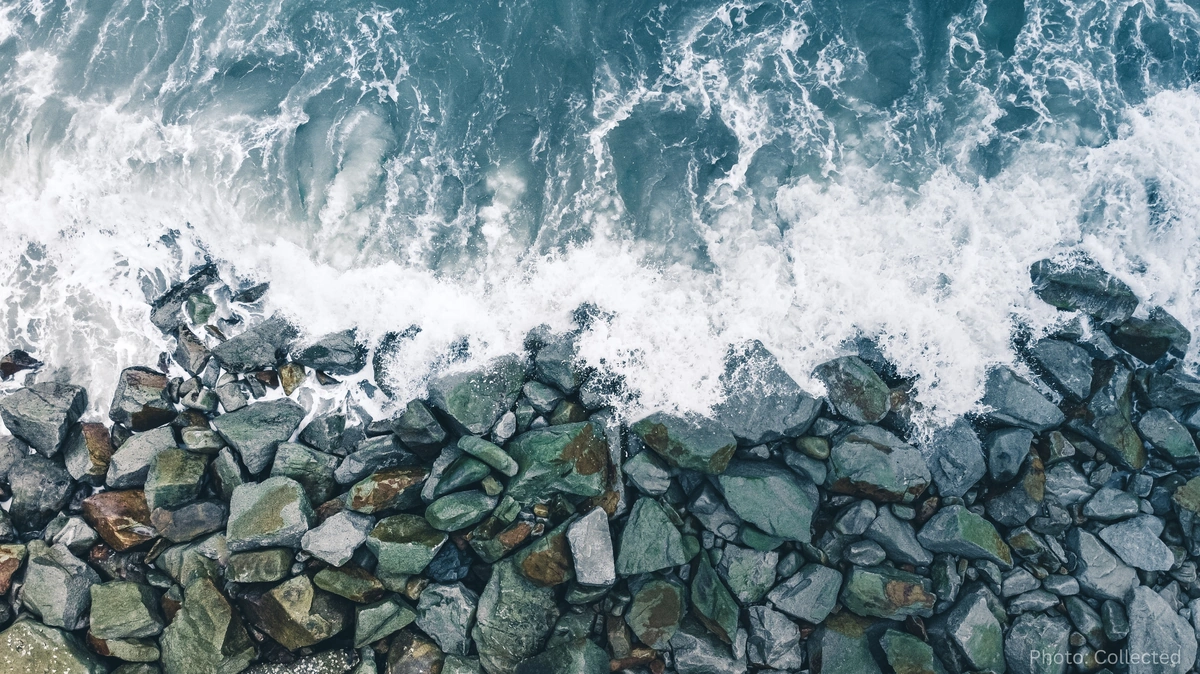
Rising sea levels driven by climate change are posing growing risks to coastal communities worldwide, with experts warning of increased flooding, land loss, displacement, and economic disruption in vulnerable regions.
Sea level rise has emerged as one of the most pressing consequences of climate change, threatening millions of people who live in coastal areas across the globe. Scientists and environmental experts warn that accelerating ocean expansion and melting ice sheets are increasing the risk of flooding, erosion, saltwater intrusion, and population displacement, particularly in low-lying regions.
For countries with extensive coastlines, the challenge is becoming increasingly urgent. Coastal communities often depend on agriculture, fisheries, tourism, and maritime industries for their livelihoods, making them especially vulnerable to environmental changes linked to rising seas.
According to climate researchers, global sea levels have been rising steadily over the past century, with the rate of increase accelerating in recent decades. The primary drivers are the thermal expansion of seawater as oceans warm and the melting of glaciers and polar ice sheets due to rising global temperatures.
In South Asia, the threat is particularly significant. Bangladesh, with its vast coastal belt and densely populated delta regions, is considered one of the countries most vulnerable to sea level rise. Experts caution that even modest increases in sea levels could affect millions of residents living in coastal districts by increasing the frequency of tidal flooding and land erosion.
Communities along coastlines are already experiencing visible changes. Farmers in some areas report declining crop yields due to saltwater intrusion into agricultural land. As seawater penetrates rivers, canals, and groundwater sources, freshwater supplies become increasingly difficult to maintain, affecting both agriculture and household consumption.
Fishing communities are also facing uncertainty. Changes in coastal ecosystems, shifting fish populations, and increasing storm intensity can disrupt traditional livelihoods that have supported families for generations. Many coastal residents are being forced to adapt to rapidly changing environmental conditions.
One of the most serious concerns associated with sea level rise is displacement. Environmental experts warn that continued coastal erosion and repeated flooding may force some communities to relocate in the coming decades. This could place additional pressure on urban areas as climate-affected populations migrate in search of housing, employment, and security.
Infrastructure is equally at risk. Roads, bridges, ports, schools, healthcare facilities, and power systems located in coastal zones face increasing exposure to flooding and storm surges. The cost of repairing and protecting these assets is expected to rise significantly in the years ahead.
Governments and international organizations are responding through a combination of adaptation and mitigation strategies. Coastal embankments, flood barriers, mangrove restoration projects, and improved drainage systems are being implemented in many vulnerable regions to reduce the impact of rising waters.
Mangrove forests have gained particular attention as a natural defense mechanism. These ecosystems help stabilize coastlines, reduce erosion, absorb wave energy, and provide habitats for marine life. Environmental specialists argue that protecting and expanding mangrove coverage can play a vital role in strengthening coastal resilience.
Climate adaptation efforts also include improved early warning systems, disaster preparedness programs, and climate-resilient housing initiatives. Many communities are receiving training and support to better prepare for floods, cyclones, and other climate-related hazards.
However, experts emphasize that adaptation alone may not be sufficient if global greenhouse gas emissions continue to rise. They argue that reducing carbon emissions remains essential to slowing the pace of climate change and limiting future sea level increases.
International climate negotiations continue to focus on supporting vulnerable countries through financing, technology transfer, and capacity-building programs. Developing nations have repeatedly called for greater assistance from wealthier countries, arguing that those most affected by climate change often contribute the least to global emissions.
Scientists stress that the impacts of sea level rise are not a distant concern but a present reality already affecting communities around the world. The decisions made today regarding climate policy, environmental protection, and sustainable development will significantly influence how future generations cope with these challenges.
In conclusion, sea level rise represents a growing threat to coastal communities, economies, and ecosystems. While adaptation measures can help reduce risks, long-term resilience will depend on a combination of local action, international cooperation, and meaningful efforts to address the root causes of climate change. As coastal populations continue to face mounting pressures, the need for urgent and coordinated responses has never been greater.
Related News





You may like




Tom Holland Says Marvel Has a Plan for the Next Spider-Man
August 1, 2026
Elected News
-
Bangladesh Seeks UN Women Support on Digital Harassment and Women’s Empowerment
-
Bangladesh, Australia Discuss Human Trafficking, Irregular Migration and Rohingya Crisis
-
Bangladesh Plans Internet-Free Access to Mobile Banking and Financial Apps
-
DU to Open Undergraduate Admission Applications on 11 November, Tests Begin 5 December


