Hathazari sweet red chillies reach Middle East markets
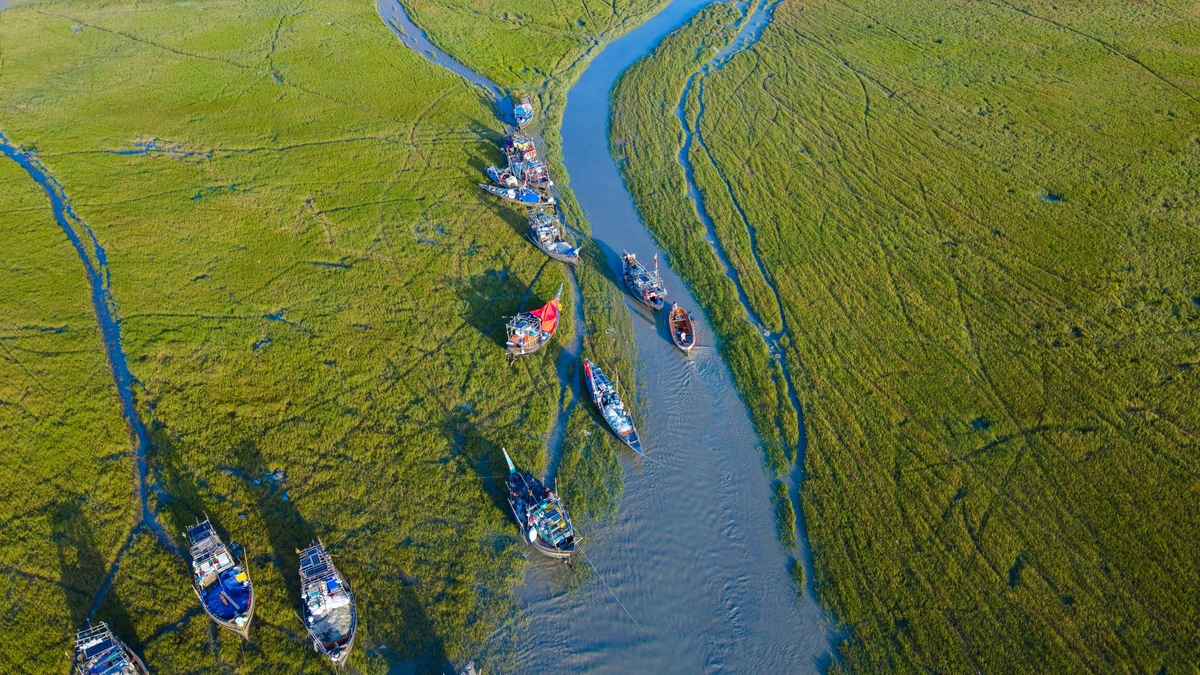
The traditional Hathazari sweet red chilli is gaining international reach in the Middle East. Local authorities are now working to expand cultivation and secure official recognition for the crop.
The traditional sweet red chilli of Hathazari, a variety native to the fertile banks of the Halda River in Chattogram, is now being exported to several countries in the Middle East. Renowned for its mild pungency and distinctive sweet-scented aroma, the crop has long been a staple of local culinary heritage in Bangladesh, prized by cooks for the vibrant colour and flavour it adds to dishes.
Cultivated primarily during the Rabi, or winter, season, these chillies are grown across hundreds of acres in unions such as Gumanmardan, Nangalmora, Chhipatali, Mekhal and Garduara. Farmers report that growing a single crop requires an investment of approximately Tk 20,000 to 30,000, with earnings typically ranging between Tk 40,000 and 60,000 per season. The plants, which grow to a height of 3.5 to 4 feet, produce between 50 and 80 chillies each, with a maturity period of 120 to 130 days.
In local markets, the price of the chillies fluctuates based on demand, currently fetching between Tk 350 and 600 per kilogram. According to the Upazila Agriculture Office, this variety commands a premium of Tk 50 to 100 per kilogram over other common local chillies. Alamgir Hossain, a local seller, noted that prices in Hathazari town often range from Tk 500 to 550 per kilogram. Residents like Minuwara Begum highlight the high demand for the product, noting that it often costs at least Tk 200 more than varieties sourced from other districts, with many families having the chillies ground to send to relatives living abroad.
The variety is also grown throughout the wider Halda River basin, including the neighbouring upazilas of Raozan and Fatikchhari. While the same seeds are used across these regions, the Hathazari-grown chillies remain the most highly valued by buyers. In Hathazari town, the chillies are sold every Sunday and Thursday in a dedicated alley known as 'Morichhata' on Kachari Road.
Despite their popularity, the variety faces significant challenges. Traditional practices regarding cultivation, seed production and storage have weakened the original genetic traits of the plant, making it more susceptible to pests and diseases. Consequently, many farmers have begun shifting toward hybrid chilli varieties, placing the indigenous Halda chilli at risk of decline.
To address these concerns, the Upazila Agriculture Office has recommended a series of coordinated initiatives. These include funded research programmes to collect and characterise Halda chilli germplasm, as well as training for farmers in pest management and the production of pure seeds. The office also advocates for the use of organic fertilisers, such as vermin-compost and Trichoderma-compost, to restore soil health.
The government is currently supporting production and marketing efforts by helping farmers form cooperatives known as 'Halda Chilli Producer Groups'. These groups receive technical assistance to encourage entrepreneurship in processing and marketing the crop. Furthermore, authorities are working to brand the chilli and secure Geographical Indication (GI) registration to protect its status as a local agricultural heritage.
Mohammad Mezbah Uddin, the Agriculture Officer for Hathazari Upazila, confirmed that the Department of Agricultural Extension has begun an expansion project following directives from the State Minister for Land. Cultivation efforts have already commenced on 22 bighas of land. Through intensive care and monitoring, officials aim to secure GI status for the Halda chilli in the near future while encouraging more farmers to return to its cultivation.
You may like
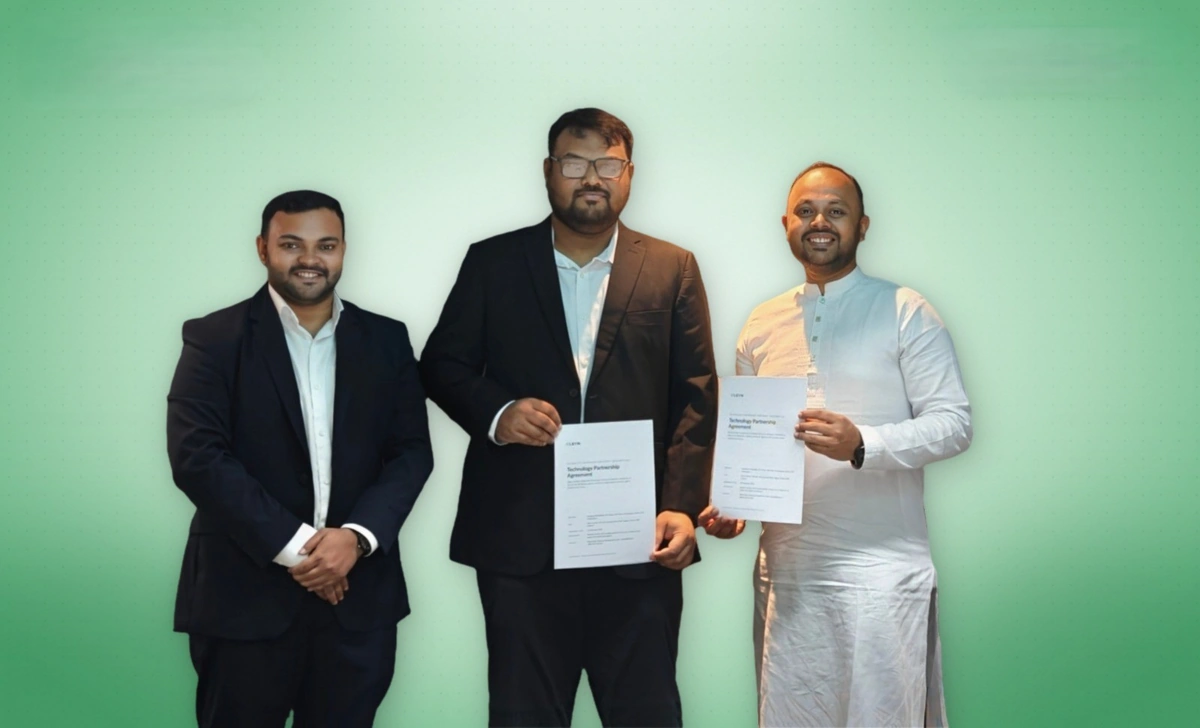
Oleyn and Medipulse Worldwide Sign Technology Partnership Agreement
November 23, 2026

OpenAI leaders propose industry-wide AI development limits
November 23, 2026

NATO member states debate AI integration and sovereignty at Izmir summit
November 23, 2026
Lebanese villagers return to wrecked homes in Zawtar al-Gharbiyah
November 23, 2026
Elected News
-
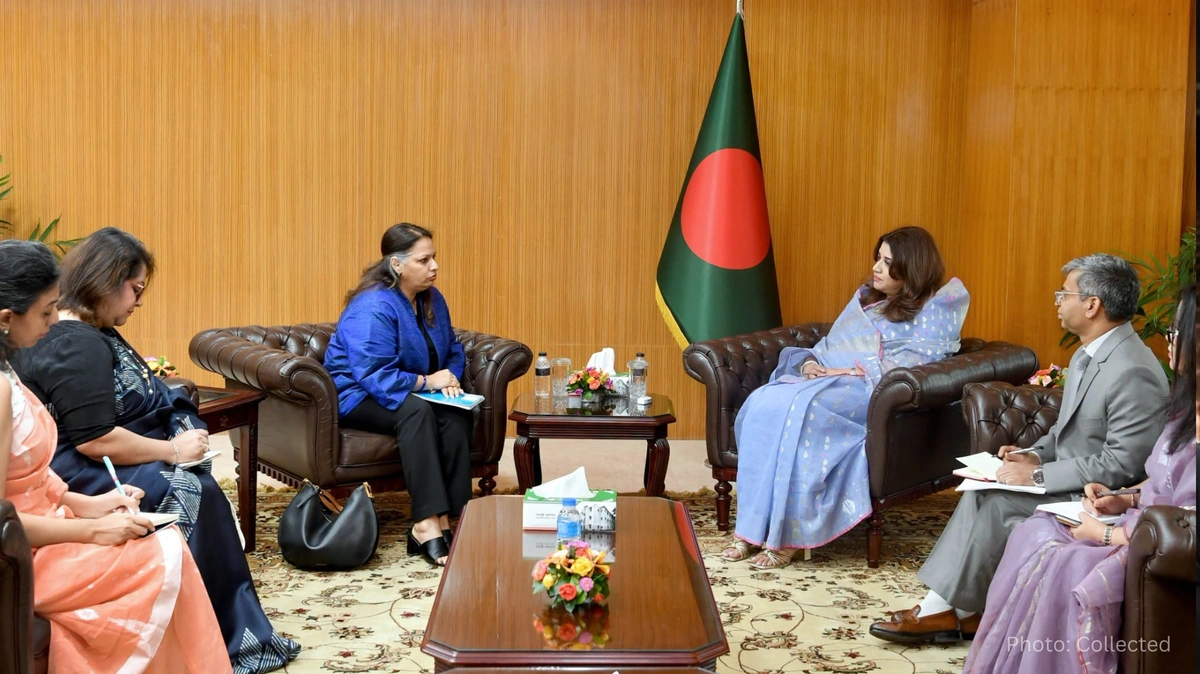
Bangladesh Seeks UN Women Support on Digital Harassment and Women’s Empowerment
-
Bangladesh, Australia Discuss Human Trafficking, Irregular Migration and Rohingya Crisis
-

Bangladesh Plans Internet-Free Access to Mobile Banking and Financial Apps
-
DU to Open Undergraduate Admission Applications on 11 November, Tests Begin 5 December


