Singapore GDP grows 6.2% in first three quarters of 2026
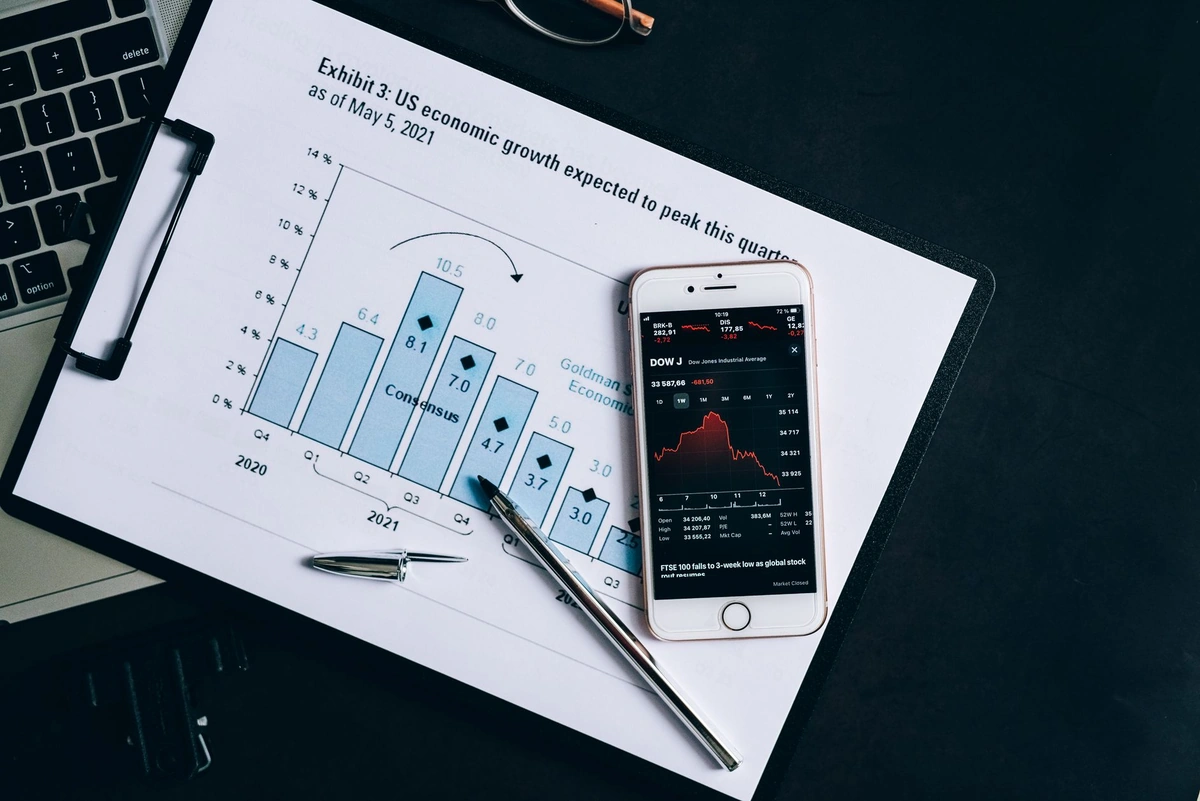
Singapore's economy grew 6.2% year-on-year in the first three quarters of 2026, driven by AI-related demand. The Ministry of Trade and Industry expects growth to moderate in 2027 as global AI investment slows.
Singapore’s economy expanded by 6.2 per cent year-on-year in the first three quarters of 2026, the Ministry of Trade and Industry (METI) reported. The growth was driven primarily by strong demand for artificial intelligence-related goods and services, which boosted the manufacturing and wholesale trade sectors.
On a quarter-on-quarter seasonally adjusted basis, the economy grew by 1.5 per cent, a moderation from the 1.8 per cent expansion recorded in the second quarter. METI noted that the external demand outlook for the year has improved compared with its assessment in August, despite elevated energy prices and tighter monetary policy in several major economies.
The ministry previously upgraded Singapore’s growth forecast in August, raising it from an earlier range of 2 per cent to 4 per cent. The current performance aligns with a headline forecast of around 6 per cent for the full year. METI stated that the acceleration in AI-related production and exports, driven by a stronger-than-expected buildout of data centres, is expected to continue for the remainder of 2026.
Sectoral Performance
Growth in the third quarter was led by the wholesale trade, manufacturing, and finance and insurance sectors, according to METI. In wholesale trade, the machinery, equipment, and supplies segment saw strong growth due to AI-related demand. Similarly, the electronics and precision engineering clusters within manufacturing benefited from increased orders for AI hardware.
The finance and insurance sector also contributed to the expansion, underpinned by credit growth and fee-generating activities. However, the retail trade and food and beverage services sectors contracted. METI attributed this decline partly to a sustained shift in local spending abroad, as outbound travel increased during the quarter.
Outlook for 2027
Looking ahead, METI expects Singapore’s GDP growth to moderate in 2027. This projection is set against a backdrop of softening growth in most of the country’s key trading partners. The ministry noted that the pace of growth in new AI investments is expected to slow from its high level in 2026, which will likely dampen the expansion in AI-linked sectors.
Globally, GDP growth in the United States is expected to ease as restrictive monetary policy and weaker real wage growth weigh on investment and consumption. In China, growth is projected to slow as export growth softens amid moderating global AI-related demand and sluggish domestic consumption. Conversely, GDP growth in the Eurozone is forecast to pick up, supported by firm household consumption and stronger manufacturing activity driven by defence-related spending.
For Southeast Asia, growth is projected to ease as the pace of expansion in both AI investments and AI-related exports moderates from their high levels in 2026. METI also highlighted that oil supply from the Middle East is expected to recover gradually, supported by the increased use of alternative transport routes such as pipelines within the Gulf. This recovery should lead to easing global energy prices and inflationary pressures over 2027.
Risks and Sectoral Projections
Despite the positive outlook, METI identified several downside risks to the global economy. Concerns about the sustainability of the global AI cycle could trigger sharper corrections in financial markets, with potential spillovers to broader economic activity. Furthermore, any escalation of the conflict in the Middle East could lead to fresh spikes in energy commodity prices, dampening global growth through tighter financial conditions.
For Singapore, sectors linked to AI-related demand, including electronics, precision engineering, and machinery wholesale, will continue to be supported by sustained demand, though their pace of expansion is expected to moderate. The projected recovery in global oil supply is likely to support a modest pickup in petroleum output in the chemicals cluster and wholesale volumes in the fuels and chemicals segment.
The transport engineering cluster is expected to grow, driven by ongoing multi-year capacity expansions in the aerospace segment and strong orders for aircraft maintenance, repair, and overhaul. The information and communications sector will also see a boost from strong demand for digital transformation and AI-related services. The finance and insurance sector is expected to register firm growth, supported by sustained investment activity, although tighter global financial conditions could weigh on credit growth.
Domestically, the construction sector is projected to post steady growth, supported by expansions in public residential building and civil engineering works. However, consumer-facing sectors such as retail trade and food and beverage services may remain weighed down by the continued shift in local spending abroad and a sustained increase in outbound travel. METI noted that the outlook for these sectors remains subdued.
The ministry emphasized that while the external demand outlook has improved, economic and political uncertainties in external economies could still weigh on investment and consumption. Singapore’s economy remains resilient, but the moderation in global growth and AI investment cycles will require careful management of sectoral shifts in the coming year.
You may like

China names Shenzhou 24 crew with first Pakistani astronaut
November 24, 2026

Fed officials weigh AI inflation risks ahead of rate decision
November 24, 2026

Bangladesh resumes worker recruitment for Malaysian market
November 24, 2026
Elected News
-

Bangladesh Seeks UN Women Support on Digital Harassment and Women’s Empowerment
-

Bangladesh, Australia Discuss Human Trafficking, Irregular Migration and Rohingya Crisis
-

Bangladesh Plans Internet-Free Access to Mobile Banking and Financial Apps
-

DU to Open Undergraduate Admission Applications on 11 November, Tests Begin 5 December


