Singapore rejects US tariff proposals over structural capacity probe
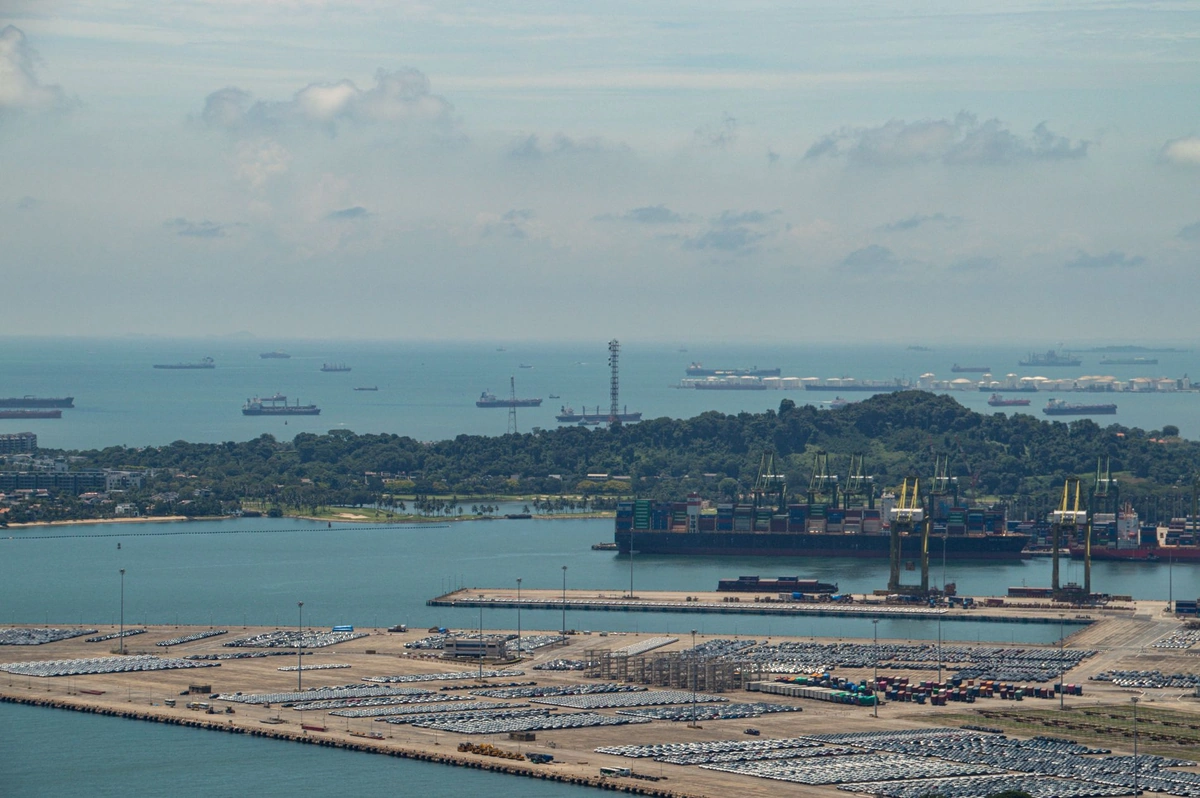
Singapore's Ministry of Energy, Trade and Industry has expressed disappointment over proposed US tariffs of up to 20 per cent. The ministry argued that the findings fail to reflect Singapore's outward-oriented economy and compliance with global rules.
Singapore's Ministry of Energy, Trade and Industry (METI) expressed disappointment with proposed US tariffs, stating findings fail to account for Singapore's economic structure. The reaction follows a move by the Office of the United States Trade Representative (USTR) proposing tariffs of up to 20 per cent on goods from Singapore, excluding certain products and taking existing Section 301 levies into account.
METI stated that Singapore's economic policies do not protect its domestic market or subsidise manufacturing for export. The ministry emphasised that its global trade surplus reflects an outward and market-oriented economy, alongside its status as a trusted business and trading hub. Furthermore, officials noted that free trade agreements seek to lower barriers to trade and investments while remaining fully compliant with World Trade Organization rules.
Under the US-Singapore Free Trade Agreement (USSFTA), Singapore levies no tariffs on US exports, while the US committed to levying no tariffs on imports from Singapore. METI pointed out that since the agreement was signed, the US has enjoyed a consistent trade surplus with Singapore for over 20 years. Specifically, the US enjoyed a trade surplus with Singapore of US$27 billion in 2024 and US$33 billion in 2025.
The US administration launched a structural excess capacity probe into Singapore and 15 other economies in March, defining structural excess capacity as an economy persistently producing more than it would under market-oriented conditions. The USTR stated that Singapore contributed to excess capacity through various acts and policies that channel resources and financing towards manufacturing expansion. The latest proposed tariffs also target 13 other economies, including China, Japan and the European Union.
The proposed tariff rate could be adjusted to 10 per cent if Singapore reaches a trade agreement with the US or concludes other negotiations responsive to the investigation findings, according to the USTR report. METI stated that it has engaged the USTR actively throughout the investigation and thoroughly addressed queries and concerns. The ministry added that it would submit further comments during the upcoming public consultation period and continue engaging the USTR constructively to explore ways to reduce the tariff.
Trade tensions between the two nations have seen several developments over recent years. On 5 April 2025, baseline taxes took effect following earlier US measures, prompting Singapore to establish a task force while declining to impose retaliatory tariffs. Following subsequent legal developments in the US, a 12.5 per cent tariff was imposed on a range of Singaporean exports on 24 July 2026, following a Section 301 investigation regarding forced labour. About one-third of Singapore's domestic exports to the US were affected by that levy, though Singapore maintained that it does not condone forced labour and operates a comprehensive framework to tackle such practices domestically.
You may like
Malaysia explores AI wealth fund to distribute economic gains
November 26, 2026
Bangladesh banking sector hit by 18 months of widespread layoffs
November 26, 2026

EU launches 50 billion euro fund for AI and quantum to cut US reliance
November 26, 2026
US targets 14 trading partners with new tariffs after midterms
November 26, 2026
Elected News
-
Bangladesh Seeks UN Women Support on Digital Harassment and Women’s Empowerment
-
Bangladesh, Australia Discuss Human Trafficking, Irregular Migration and Rohingya Crisis
-
Bangladesh Plans Internet-Free Access to Mobile Banking and Financial Apps
-
DU to Open Undergraduate Admission Applications on 11 November, Tests Begin 5 December


