US targets 14 trading partners with new tariffs after midterms
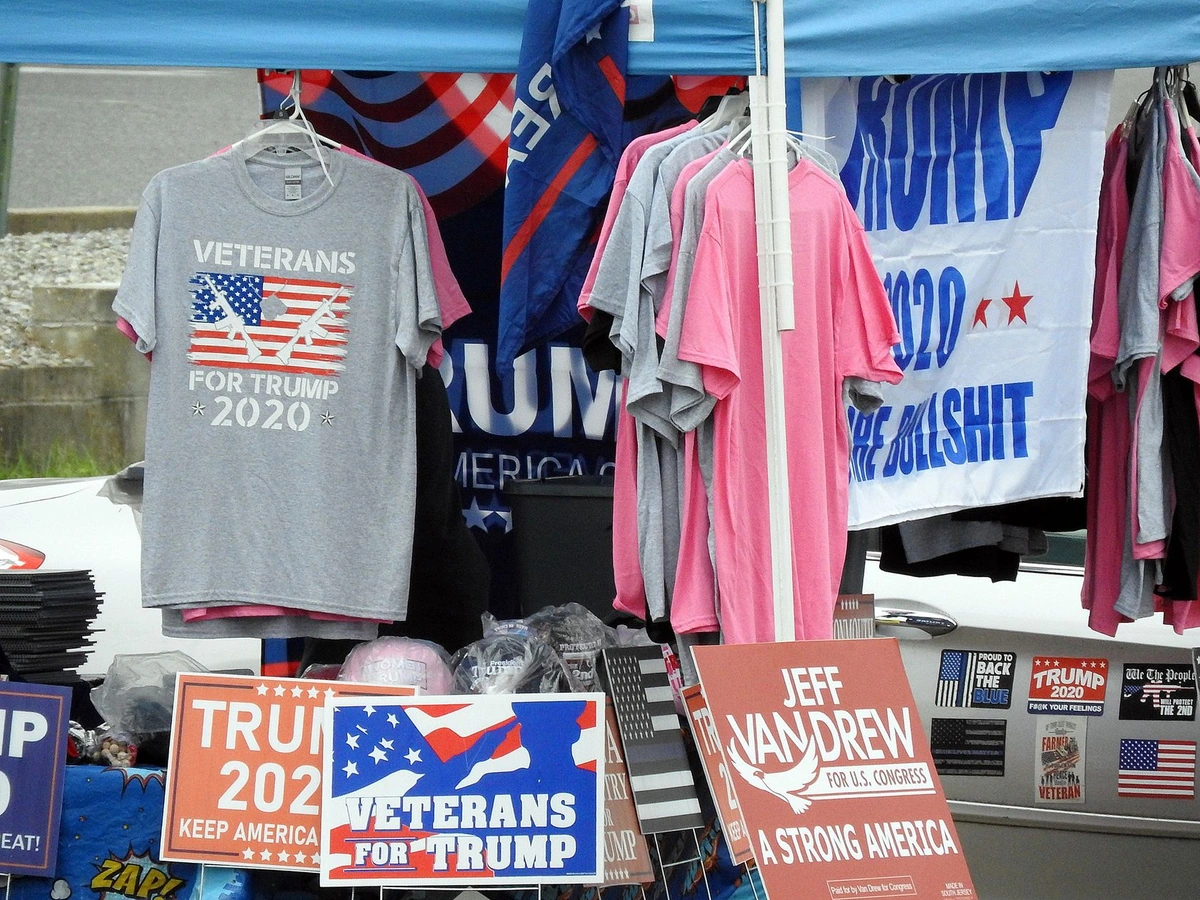
The United States administration announced new tariffs on goods from 14 major trading partners, including China, Japan and the European Union. The move follows midterm elections where Republicans suffered losses over economic concerns and inflation.
The United States administration announced a new round of tariffs on goods from 14 major trading partners, including China, Japan and the European Union. The announcement on Nov 25 follows midterm elections held three weeks ago where US voters punished Republicans over an economy and inflation that many attributed to tariff policies. With Democrats set to control Congress for the final two years of Donald Trump's presidency, tariffs are taking on added importance as a potent economic tool that the executive branch can wield without legislative approval.
US officials and other people familiar with the president's thinking stated that Trump sees tariffs as a way to wring concessions from foreign leaders, force corporate CEOs to build plants in the US, raise cash for the government and curry favour with blue-collar voters. After a midterm defeat that threatens to constrain his domestic agenda, Trump is eager to demonstrate that he remains capable of driving economic policy and exercising power even as his legislative clout diminishes. Speaking to CNBC on Nov 23, Trump acknowledged the policy could come with costs, stating that there is always that little headache during a transition period while touting new factories being built in the US because of tariffs.
Some Republicans in Congress quickly blamed the tariff policy for the party's midterm losses. Exit polls conducted by SSRS on behalf of a consortium of US media outlets showed that two-thirds of voters said Trump's tariff policies hurt the national economy, while 21% said they helped and 12% found no difference. Yale University's Budget Lab estimated earlier in November that tariffs raised US household costs by US$900 (S$1,161) annually. A former senior US trade official who served under Trump said the midterm rout likely moderated the proposed tariff rates, given that stiffer rates could trigger fresh concerns over affordability.
The administration proposed new tariffs that would increase duties on targeted imports with maximum rates of 20% to 40%, though completed or pending trade deals would generally limit them to 10% to 20%. The policy follows an eight-month review of trading partners' practices and revamps a set of tariffs that Trump imposed in 2025 and the Supreme Court struck down as illegal in February. Jamieson Greer made the tariff announcement with little fanfare on the eve of the US Thanksgiving holiday, and Trump made no public remarks on the matter, marking a contrast with his Liberation Day tariff announcement in the White House Rose Garden in 2025.
Despite the muted rollout, the market reaction was swift, with the benchmark S&P 500 closing down a quarter of a percentage point on Nov 25 following the announcement. Days earlier, Trump also roiled markets with efforts to restore Jensen Huang as chief executive officer of Nvidia, a surprise move that tested the bounds of presidential intervention in private markets. Stock markets initially rallied on Huang's return before paring back gains.
Democrats seized on the tariff news, stating that Trump was ignoring voter anger about high costs and inflation, which have also been fueled by Trump's decision to attack Iran and spark a conflict that has significantly disrupted oil production and shipping. Several Democrats also argued that by punishing allies, the policy did little to thwart China's aggressive trade practices. Incoming House Majority Leader Katherine Clark, a Massachusetts Democrat, wrote on X that Republicans have learned nothing.
White House spokesman Matthew Middleton stated that putting a stop to American workers, farmers, and businesses being ripped off by lopsided trade agreements is a key foundation of the president's Make America Great Again movement. Middleton added that the administration would continue fighting to lower costs and noted that tariffs have brought a new revenue source to the federal government following the passage of the 2025 One Big Beautiful Bill Act, which cemented lower individual tax rates. While the election focused heavily on rising fuel prices and the cost of living, Trump has made reducing the US trade deficit a cornerstone of his administration.
The protectionist policies drew support from some blue-collar labour groups that historically backed Democrats. United Steelworkers International President Roxanne Brown called the administration's actions long overdue on Wednesday, noting support from a union that endorsed Trump's Democratic opponent Kamala Harris in 2024. Conversely, Republican US Representative Don Bacon of Nebraska, a Trump critic who is retiring from Congress, called tariffs a tax on American consumers, blamed high inflation and lower wage growth for Republican losses, and urged lawmakers to reclaim authority over import duties.
You may like

Japan targets AI leadership, plans to cut foreign AI reliance
November 26, 2026

FCC authorises SpaceX to deploy 1 million AI data-center satellites
November 26, 2026
US Army to detonate 9,700lb lead azide stockpile in Iowa
November 25, 2026
U.S. jury convicts Huawei of trade secret theft and bank fraud
November 25, 2026
Elected News
-

Bangladesh Seeks UN Women Support on Digital Harassment and Women’s Empowerment
-

Bangladesh, Australia Discuss Human Trafficking, Irregular Migration and Rohingya Crisis
-

Bangladesh Plans Internet-Free Access to Mobile Banking and Financial Apps
-

DU to Open Undergraduate Admission Applications on 11 November, Tests Begin 5 December


