Martial Arts to Become Mandatory for Classes IV and V in Primary Schools
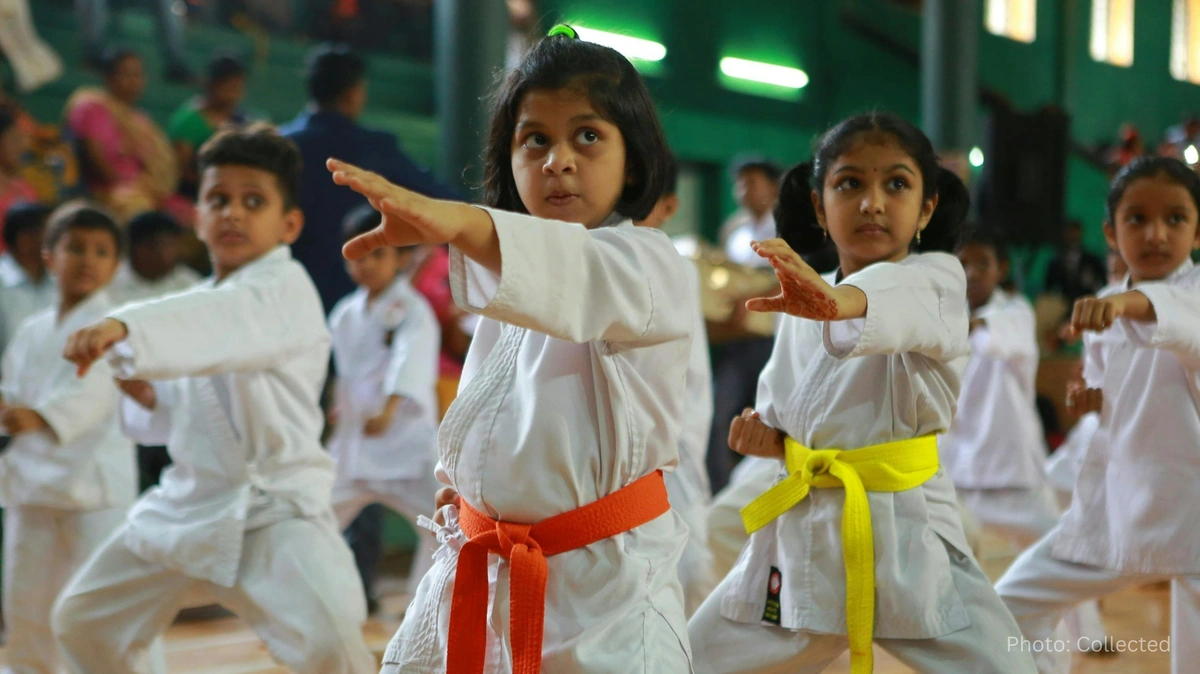
The government plans to make martial arts part of compulsory physical education for fourth- and fifth-grade students, aiming to improve fitness, discipline, confidence, self-control and self-defence skills.
Martial arts training is set to become a compulsory part of the physical education curriculum for students in Classes IV and V at primary schools across Bangladesh, State Minister for Primary and Mass Education Bobby Hajjaj announced on Friday.
The initiative is intended to support children's physical and mental development while helping them build confidence, discipline, patience and self-control. The government also expects martial arts training to equip students with basic self-defence skills and encourage them to adopt a positive approach to conflict.
Hajjaj made the announcement while attending the Bangladesh Kyokushin Karate Association's Black Belt Award Ceremony 2026 as the chief guest at Rangs Bhaban in the capital's Bijoy Sarani.
Addressing the event, the state minister said martial arts should not be viewed only as a method of self-defence. According to him, regular training can help students develop discipline, confidence, patience and a constructive mindset from an early age.
He also said martial arts can teach children to avoid unnecessary violence and conflict. By learning self-control and responsible behaviour, students can develop qualities that will help them contribute positively to society.
The government is also planning to expand karate and other martial arts training programmes to primary schools nationwide. Hajjaj urged relevant karate organisations to prepare practical plans for introducing training programmes across the country's primary education system.
He assured the organisations that the government would provide necessary support for implementing the initiative. The expansion is expected to require cooperation among education authorities, schools, sports organisations and qualified instructors.
The move comes as authorities seek to strengthen sports and physical education programmes in primary schools. Beyond improving physical fitness, structured sports activities can help children develop concentration, teamwork, discipline and confidence.
Martial arts can also provide students with regular physical activity while teaching them to follow structured training routines. The emphasis on patience and self-control may further help children develop healthy ways of responding to difficult situations.
Hajjaj stressed the importance of expanding sports and martial arts opportunities to help develop a healthy, confident and patriotic younger generation. He encouraged sports organisations to work with schools to make training programmes accessible to students across the country.
The state minister also spoke about his personal connection with karate. He recalled that he began karate training in 1991 and said watching the performances at the ceremony brought back memories of his early days in the sport.
The ceremony also celebrated the achievements of karate practitioners who had successfully completed their training. Hajjaj presented certificates and black belts to successful participants and congratulated them on reaching the required level.
The proposed curriculum change would bring martial arts into compulsory physical education for students in Classes IV and V, rather than limiting such activities to optional extracurricular programmes. Details regarding the training structure, instructor requirements, school facilities and implementation schedule are expected to be worked out as the initiative progresses.
A nationwide programme would require sufficient numbers of trained instructors as well as appropriate arrangements to ensure that students can participate safely and consistently. Schools may also need to adjust physical education schedules and facilities to accommodate the additional training.
If implemented successfully, the initiative could provide a large number of primary school students with access to organised martial arts training while strengthening the role of sports in children's overall development.
The government believes that combining academic education with physical activities such as martial arts can help students develop skills that extend beyond the classroom. The programme is therefore expected to contribute not only to physical fitness and self-defence awareness but also to the development of discipline, confidence and responsible behaviour among young learners.
Related News
You may like


Tom Holland Says Marvel Has a Plan for the Next Spider-Man
August 1, 2026
Elected News
-
Bangladesh Seeks UN Women Support on Digital Harassment and Women’s Empowerment
-
Bangladesh, Australia Discuss Human Trafficking, Irregular Migration and Rohingya Crisis
-
Bangladesh Plans Internet-Free Access to Mobile Banking and Financial Apps
-
DU to Open Undergraduate Admission Applications on 11 November, Tests Begin 5 December


