Combating Child Malnutrition Requires Stronger Nutrition, Healthcare and Community Support
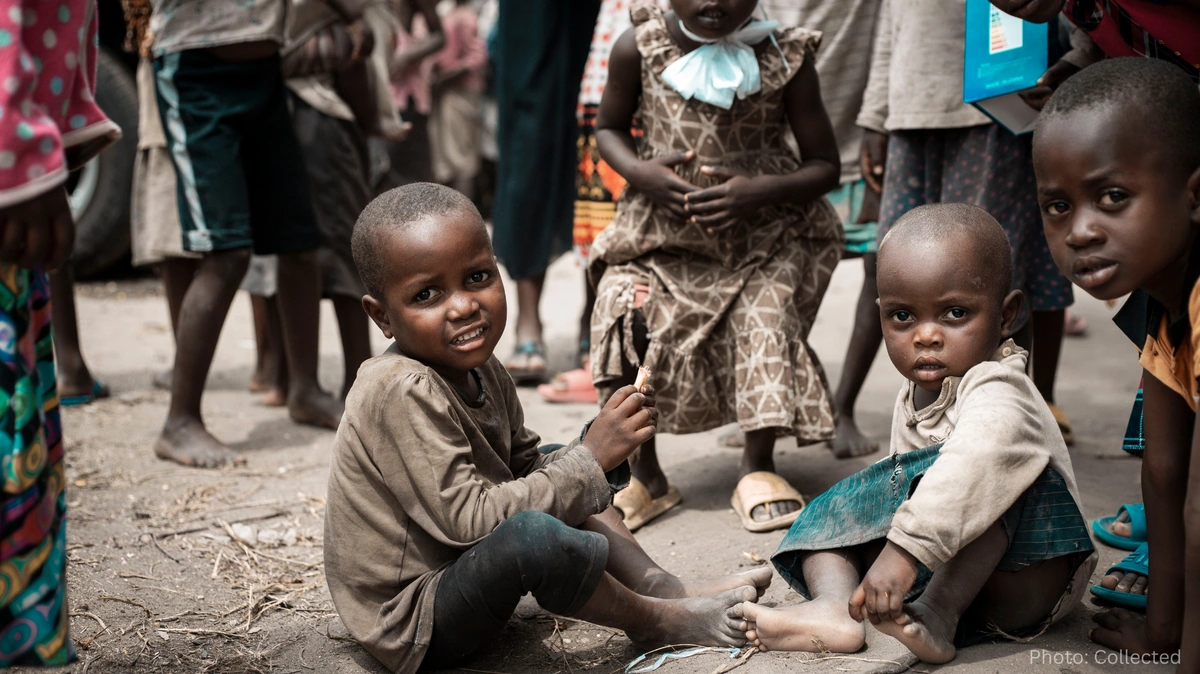
Child malnutrition remains one of the leading public health challenges in many developing countries, affecting physical growth, cognitive development and long-term health outcomes. Experts say reducing malnutrition requires coordinated efforts involving healthcare, food security, maternal nutrition, education and social protection.
Child malnutrition continues to pose a major challenge to global public health, particularly in low- and middle-income countries where millions of children remain vulnerable to inadequate nutrition, preventable illnesses and poor living conditions. Health experts warn that unless comprehensive measures are strengthened, malnutrition will continue to undermine children's growth, education and future economic potential.
Malnutrition refers to deficiencies, excesses or imbalances in a person's intake of nutrients. Among children, undernutrition including stunting, wasting and underweight is the most common concern. These conditions can weaken the immune system, delay physical and mental development and increase the risk of severe illness and premature death.
Public health specialists say the first 1,000 days of a child's life from pregnancy to a child's second birthday represent the most critical period for healthy growth and brain development. Adequate maternal nutrition during pregnancy, safe childbirth and proper infant feeding practices are considered essential to reducing the risk of lifelong health complications.
Exclusive breastfeeding for the first six months of life remains one of the most effective strategies to improve child nutrition. Breast milk provides all the nutrients and antibodies infants need during early life while reducing the risk of infections that can contribute to malnutrition. After six months, experts recommend introducing safe, nutritious complementary foods while continuing breastfeeding up to two years of age or beyond.
Healthcare professionals emphasize that a balanced diet rich in proteins, vitamins, minerals and healthy fats is crucial for children's healthy development. Foods such as eggs, fish, meat, milk, lentils, beans, fruits, vegetables and fortified cereals help provide essential nutrients needed for growth and immune function.
Food insecurity remains a major driver of child malnutrition. Families facing poverty often struggle to provide sufficient quantities of nutritious food, while rising food prices can further limit access to healthy diets. Social protection programmes, school feeding initiatives and targeted food assistance have proven effective in supporting vulnerable households and improving children's nutritional status.
Poor sanitation and unsafe drinking water also contribute significantly to malnutrition. Frequent diarrhoeal diseases and intestinal infections reduce the body's ability to absorb nutrients, creating a cycle of illness and undernutrition. Expanding access to clean water, sanitation facilities and hygiene education is therefore considered a key component of nutrition programmes.
Routine healthcare services play an equally important role. Regular growth monitoring, childhood immunization, vitamin A supplementation, iron and folic acid programmes and early treatment of common illnesses help prevent nutritional deterioration and support healthy development. Community health workers are often the first point of contact for identifying children at risk and referring them for appropriate care.
Nutrition education for parents and caregivers is another critical element in addressing malnutrition. Experts say many cases can be prevented by improving awareness about age-appropriate feeding practices, food preparation, dietary diversity and recognizing early signs of nutritional deficiency.
In Bangladesh and many other developing countries, government agencies and development partners continue implementing community-based nutrition programmes aimed at reducing childhood stunting and improving maternal health. These initiatives often combine nutritional support, healthcare services, education and poverty reduction measures to address the multiple causes of malnutrition simultaneously.
Agricultural development can also contribute to improved nutrition by increasing the availability of diverse, affordable and nutritious foods. Encouraging home gardening, livestock farming and local food production helps families gain better access to fresh vegetables, fruits and protein-rich foods throughout the year.
Experts stress that tackling child malnutrition requires cooperation among governments, healthcare providers, educational institutions, humanitarian organizations and local communities. Investments in maternal health, food security, clean water, education and primary healthcare are viewed as essential pillars of long-term progress.
As countries continue working toward global nutrition and sustainable development goals, public health specialists emphasize that every child deserves access to adequate nutrition, quality healthcare and a safe environment. Strengthening these foundations not only improves survival and well-being but also contributes to healthier, more productive societies in the decades ahead.
Related News




You may like




Tom Holland Says Marvel Has a Plan for the Next Spider-Man
August 1, 2026
Elected News
-
Bangladesh Seeks UN Women Support on Digital Harassment and Women’s Empowerment
-
Bangladesh, Australia Discuss Human Trafficking, Irregular Migration and Rohingya Crisis
-
Bangladesh Plans Internet-Free Access to Mobile Banking and Financial Apps
-
DU to Open Undergraduate Admission Applications on 11 November, Tests Begin 5 December


