WHO says Ebola responders trapped in Ituri maternity ward after 24-hour attack
By Health Desk
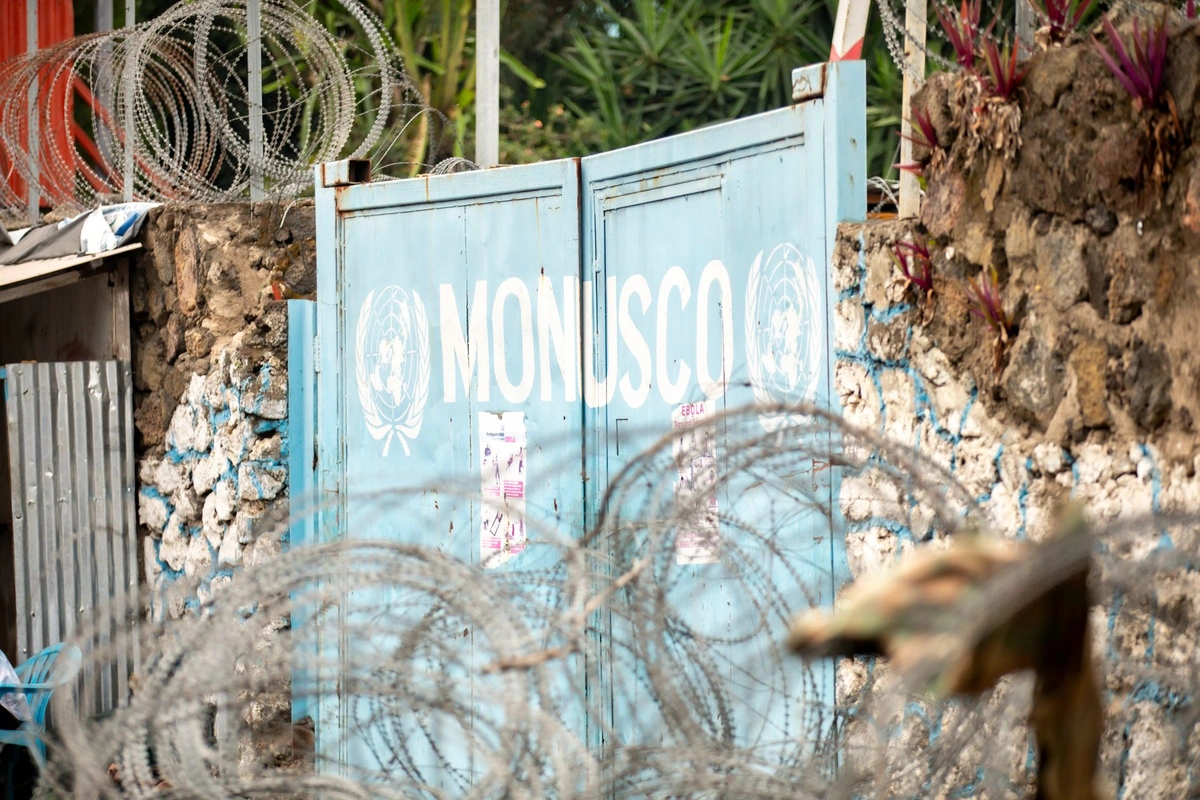
WHO Director-General Tedros Adhanom Ghebreyesus said Ebola responders were trapped in a maternity ward in Ituri, DRC, for over 24 hours due to heavy fighting. The violence complicates efforts to contain the ongoing Ebola outbreak in the region.
World Health Organization (WHO) Director-General Tedros Adhanom Ghebreyesus stated on Sunday that heavy fighting near a hospital in Ituri province, Democratic Republic of the Congo (DRC), forced Ebola responders and agency staff to take cover in a maternity ward for more than 24 hours. The clashes occurred in an area close to where the current Ebola outbreak was first detected, disrupting critical response efforts and placing patients, families, and health workers at grave risk.
In a post on the social media platform X, Mr. Ghebreyesus described the situation as one where staff were forced to shelter "for their lives." He confirmed that the WHO was working with humanitarian partners to secure a safe evacuation for the trapped personnel. The WHO chief called for the immediate safe passage of the staff and for the protection of hospital facilities, medical personnel, and patients.
The incident highlights the severe intersection of armed conflict and public health emergencies in eastern DRC. Mr. Ghebreyesus noted that attacks across the region have increased since late October, seriously affecting the ability to contain the virus. The violence has made it extremely difficult for health workers to operate in areas where the disease is spreading.
The United Nations’ Senior Ebola Response Coordinator, Julien Harneis, had earlier warned that the security situation was worsening. Speaking to journalists in Geneva on 13 November, Mr. Harneis stated that more people had been killed by Allied Democratic Forces (ADF) fighters than by the Ebola virus in recent days. He described the violence in tens of villages across the south of Ituri and North Kivu provinces as going unnoticed, noting that people were scared and furious at the lack of action.
Mr. Harneis emphasized the danger faced by medical teams, stating that following up contact tracing in areas where the ADF is operating is a very hazardous idea. The ADF has been responsible for repeated attacks and human rights abuses against civilians in eastern DRC for more than two decades. This persistent insecurity is cited by the WHO as one of the main obstacles to containing the Ebola virus.
Ituri province remains the epicentre of the outbreak of Ebola disease caused by the Bundibugyo virus. The province accounts for more than two-thirds of all confirmed cases and nearly 60 per cent of newly reported infections. A total of eight provinces in the DRC have been impacted by the outbreak, which continues to spread more than six months after it was first declared.
According to figures released on 20 November, the outbreak has resulted in 11,762 confirmed cases, including 5,775 deaths, across 68 health zones in the eight affected provinces. Ituri remains the hardest-hit province, with a cumulative total of more than 8,000 confirmed cases and 3,791 deaths. This represents a case fatality rate of 47 per cent in the province.
The latest epidemiological update reported 39 new confirmed cases, with 23 of those recorded in Ituri. A high proportion of deaths continue to occur in communities and outside dedicated treatment centres, particularly among young children. This trend highlights significant challenges in early case detection and access to care in the region.
The WHO has verified more than 87 attacks on healthcare facilities in the DRC since 1 January. These attacks have hampered response efforts and increased the risk to health workers. The organization continues to coordinate with partners to ensure the safety of its staff and the continuity of essential health services in the affected areas.
The ongoing conflict in eastern DRC poses a significant threat to the global health response. The combination of a highly transmissible virus and active armed conflict creates a complex humanitarian crisis. International organizations are urging for immediate measures to protect health infrastructure and personnel to prevent further spread of the disease.
You may like

Trust Bank and Chittagong Port Authority launch TrustPort Connect
November 23, 2026
India considers rice export duties as domestic prices rise
November 23, 2026

China trade surplus hits $1 trillion as tech exports reach 33%
November 23, 2026

India and Singapore AI partnership could challenge US and China
November 23, 2026
Elected News
-
Bangladesh Seeks UN Women Support on Digital Harassment and Women’s Empowerment
-

Bangladesh, Australia Discuss Human Trafficking, Irregular Migration and Rohingya Crisis
-

Bangladesh Plans Internet-Free Access to Mobile Banking and Financial Apps
-

DU to Open Undergraduate Admission Applications on 11 November, Tests Begin 5 December


