West Bengal minister says India will take Bangladesh by December 16
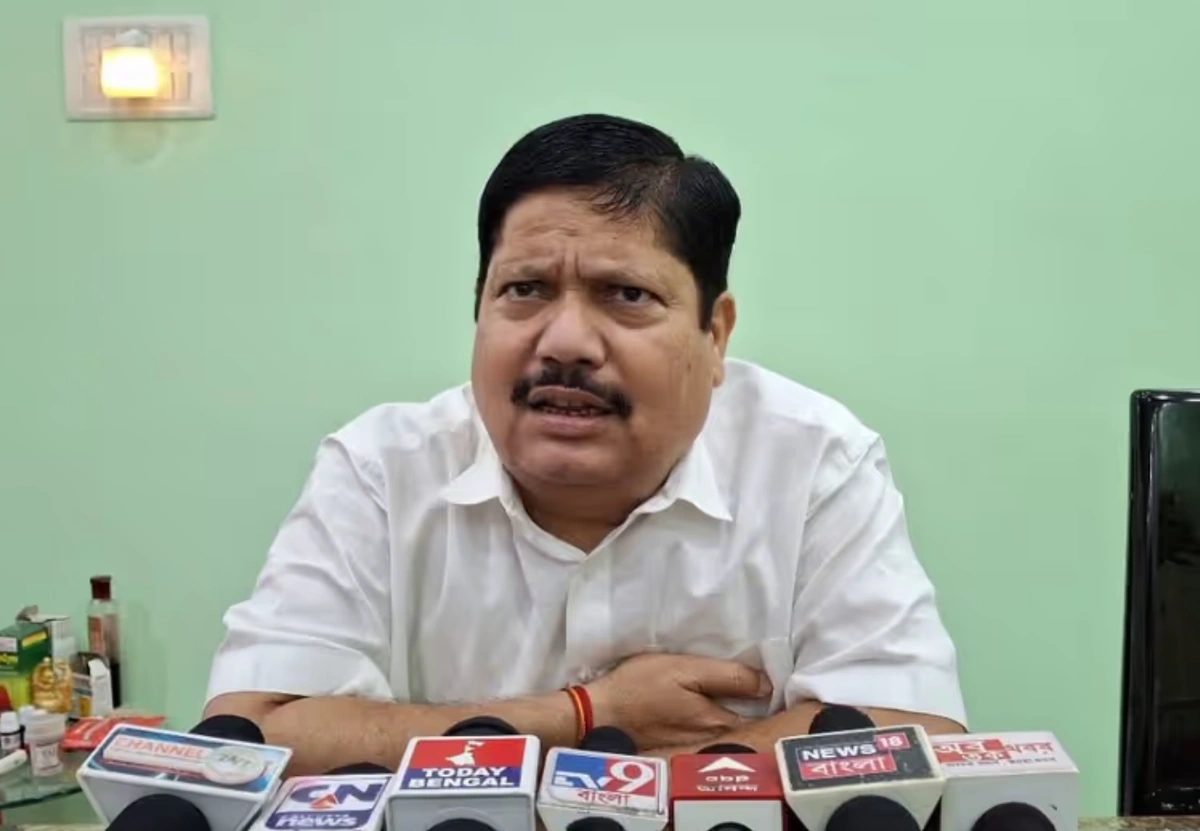
West Bengal Transport Minister Arjun Singh stated that India will 'take Bangladesh' by December 16, citing alleged violence against Hindus. Chief Minister Sudip Bandyopadhyay declined to comment on the political situation but outlined border security policies.
West Bengal Transport Minister Arjun Singh told journalists on Tuesday night that the state would 'take Bangladesh' by December 16. Speaking in Kolkata, Singh said: 'By December 16, we will take Bangladesh. We cannot let Bangladesh go. We must take revenge for the way Hindus have been killed there. There is no doubt about it.' The remarks, made by a senior minister of the Indian state government, represent a significant escalation in rhetoric regarding the relationship between India and its neighbour, Bangladesh.
The statement comes amid heightened tensions along the India-Bangladesh border. Reports have emerged of arson in Hindu homes and attacks on Awami League workers and supporters in multiple areas of Bangladesh. These allegations have raised concerns among the Hindu community in West Bengal, a state that shares a long and porous border with Bangladesh. The source material notes that the situation in Bangladesh is described as 'burning' or highly volatile in the context of former Prime Minister Sheikh Hasina's planned return.
Former Prime Minister Sheikh Hasina has stated that she intends to return to Bangladesh by December 16. Her planned return has intensified fears of further instability in the region. The timing of Singh's remarks, made on the night before the referenced date, has drawn significant attention to the diplomatic and security implications for the two neighbours. The minister linked his statement directly to the alleged killing of Hindus, framing the proposed action as a form of retribution for these events.
West Bengal Chief Minister Sudip Bandyopadhyay addressed the situation on Monday. He declined to comment directly on the political developments in Bangladesh or on Sheikh Hasina personally. Instead, he stated that he would try to bring the issue to the attention of the Ministry of External Affairs in New Delhi. Bandyopadhyay emphasised that the border is currently 'very strictly secured'. He noted that the situation is not unique to West Bengal, as people from Tripura, Meghalaya, and other border states also have relatives living in Bangladesh.
The Chief Minister stated that at least 2 crore, or 20 million, people from West Bengal have relatives residing in Bangladesh. He explained that this large number of cross-border family ties contributes to the anxiety felt by the local population. He acknowledged that the situation in Bangladesh is a matter of concern for people in West Bengal, but he maintained that he would not make direct comments on the internal political affairs of the neighbouring country. He specifically stated that he would not comment on Sheikh Hasina.
Regarding the movement of people across the border, Bandyopadhyay outlined the state's policy on illegal immigration. He said that those who enter illegally will not be sent to jail but will be sent back directly. He confirmed that holding stations have been created specifically for this purpose. Action, he stated, will be taken against those who become illegal immigrants, lack valid documents, or whose visas expire. This policy aims to manage the flow of people while maintaining strict control over the border.
However, the Chief Minister also highlighted a humanitarian exception. He stated that individuals coming from Bangladesh to India on medical visas will be provided with medical facilities for humanitarian reasons. This distinction underscores the complex mix of security concerns and human ties that characterise the relationship between the two countries. The government is attempting to balance strict border enforcement with compassionate treatment of those seeking medical care.
The remarks by the Transport Minister have sparked debate over the appropriate tone for inter-state and international discourse. While the Chief Minister maintained a cautious and administrative focus on border management, the Transport Minister's language invoked historical grievances and collective action. The discrepancy in tone between the two senior officials of the West Bengal government highlights the internal political dynamics at play. The use of such strong language by a sitting minister has the potential to inflame public sentiment on both sides of the border.
Bangladesh and India share one of the longest international borders in the world. The region has a history of cross-border movement, trade, and cultural exchange, but also of tension related to immigration, security, and political instability. The current situation, marked by allegations of communal violence in Bangladesh and the anticipated return of a former head of government, has placed additional strain on these relations. The border area is sensitive, with significant populations on both sides having deep social and economic connections.
Observers note that the reference to 'revenge' for the killing of Hindus is a sensitive topic that touches on historical narratives and current political mobilisation. The use of such language by a sitting minister has the potential to inflame public sentiment on both sides of the border. The Indian government's central authorities have not yet issued a formal response to the specific remarks made by Arjun Singh. The situation remains fluid as December 16 approaches.
The security forces in West Bengal have been placed on high alert to prevent any cross-border incidents. The Ministry of External Affairs is monitoring the situation closely, and diplomatic channels are expected to remain active. The focus for now is on maintaining stability along the border and managing the flow of people and goods in an orderly manner. The coming days will be critical in determining whether the situation remains contained or if it leads to a broader diplomatic crisis.
The incident serves as a reminder of the delicate balance required in managing neighbourhood relations in South Asia. While the two countries have deep economic and strategic ties, political rhetoric can quickly escalate tensions. The statement by Arjun Singh, combined with the context of Sheikh Hasina's planned return and alleged violence in Bangladesh, creates a complex diplomatic environment. The response from central Indian authorities and the reaction from Bangladesh will be key in shaping the next phase of this development.
You may like

Bengal Commercial Bank partners with Dhaka North City Corporation
November 25, 2026

Meta faces legal action from Kenyan moderators over PTSD and AI layoffs
November 25, 2026
West Bengal minister says India will take Bangladesh by December 16
November 25, 2026

Last time IPL said NO This year Mustafiz says NO to IPL
November 25, 2026
Elected News
-
Bangladesh Seeks UN Women Support on Digital Harassment and Women’s Empowerment
-
Bangladesh, Australia Discuss Human Trafficking, Irregular Migration and Rohingya Crisis
-

Bangladesh Plans Internet-Free Access to Mobile Banking and Financial Apps
-

DU to Open Undergraduate Admission Applications on 11 November, Tests Begin 5 December


