Deadly Respiratory Virus Spreads Across Gaza
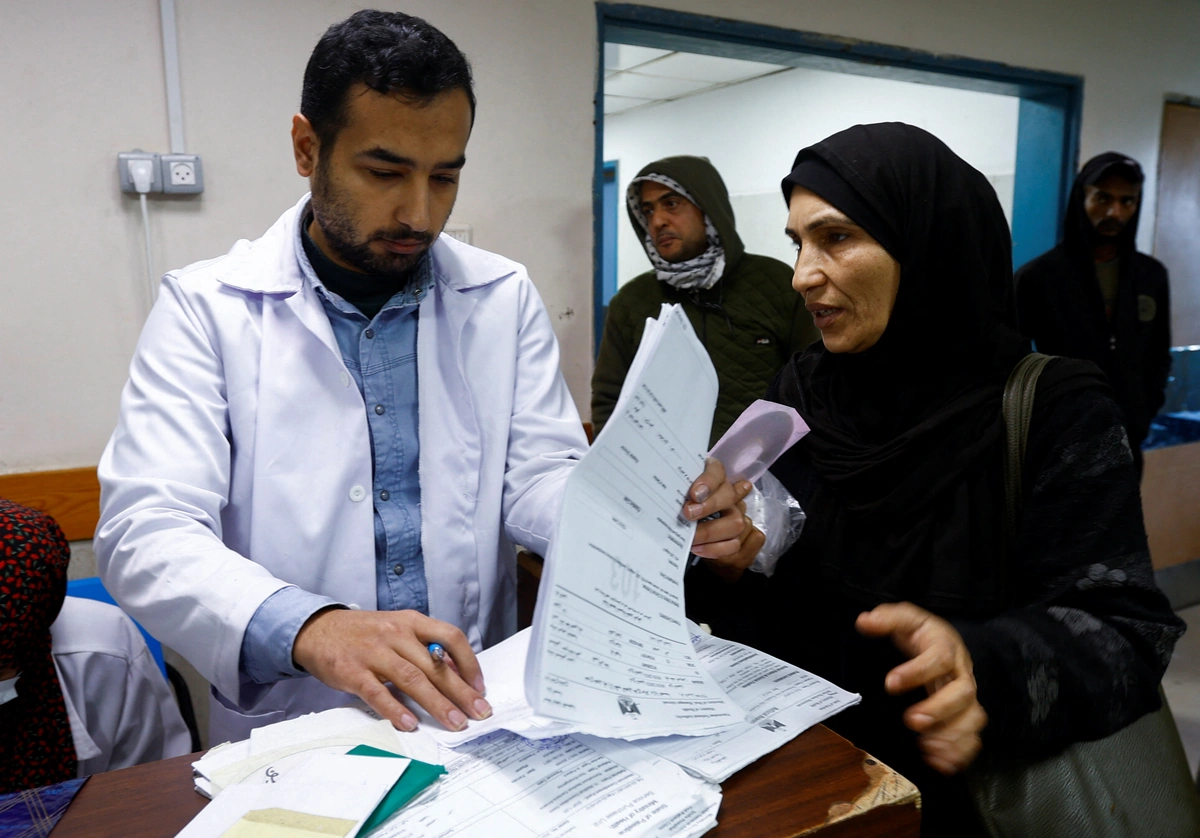
Hospitals report deaths as malnutrition, lack of vaccines and blocked medical supplies fuel a fast-spreading outbreak. Children, the elderly and chronically ill patients are the worst affected.
A dangerous respiratory virus is spreading rapidly across the Gaza Strip, claiming lives and pushing the territory’s already fragile health system toward collapse, health officials have warned.
Mohammed Abu Salmiya, medical director of Al-Shifa Medical Complex in Gaza City, said hospitals are recording rising deaths linked to the outbreak, particularly among children, older adults and patients suffering from chronic illnesses.
He described the situation as an “unprecedented health catastrophe,” saying the virus is spreading across all age groups due to severe malnutrition, prolonged psychological trauma and the near-total absence of vaccination coverage.
According to hospital officials, patients are experiencing prolonged symptoms lasting up to two weeks, including high fever, intense joint and bone pain, persistent headaches and vomiting. In many cases, the illness progresses into acute pneumonia, significantly increasing the risk of death.
Doctors warned that critical shortages of medicines, oxygen, diagnostic equipment and vaccines—caused by ongoing restrictions on medical supplies—have severely limited hospitals’ ability to respond, cautioning that without urgent international intervention, the health crisis could rapidly worsen.
Mohammed Abu Salmiya, medical director of Al-Shifa Medical Complex in Gaza City, said hospitals are recording rising deaths linked to the outbreak, particularly among children, older adults and patients suffering from chronic illnesses.
He described the situation as an “unprecedented health catastrophe,” saying the virus is spreading across all age groups due to severe malnutrition, prolonged psychological trauma and the near-total absence of vaccination coverage.
According to hospital officials, patients are experiencing prolonged symptoms lasting up to two weeks, including high fever, intense joint and bone pain, persistent headaches and vomiting. In many cases, the illness progresses into acute pneumonia, significantly increasing the risk of death.
Doctors warned that critical shortages of medicines, oxygen, diagnostic equipment and vaccines—caused by ongoing restrictions on medical supplies—have severely limited hospitals’ ability to respond, cautioning that without urgent international intervention, the health crisis could rapidly worsen.
Related News





You may like




Tom Holland Says Marvel Has a Plan for the Next Spider-Man
August 1, 2026
Elected News
-

Bangladesh Seeks UN Women Support on Digital Harassment and Women’s Empowerment
-

Bangladesh, Australia Discuss Human Trafficking, Irregular Migration and Rohingya Crisis
-

Bangladesh Plans Internet-Free Access to Mobile Banking and Financial Apps
-

DU to Open Undergraduate Admission Applications on 11 November, Tests Begin 5 December


