France calls EU budget proposal deeply disappointing
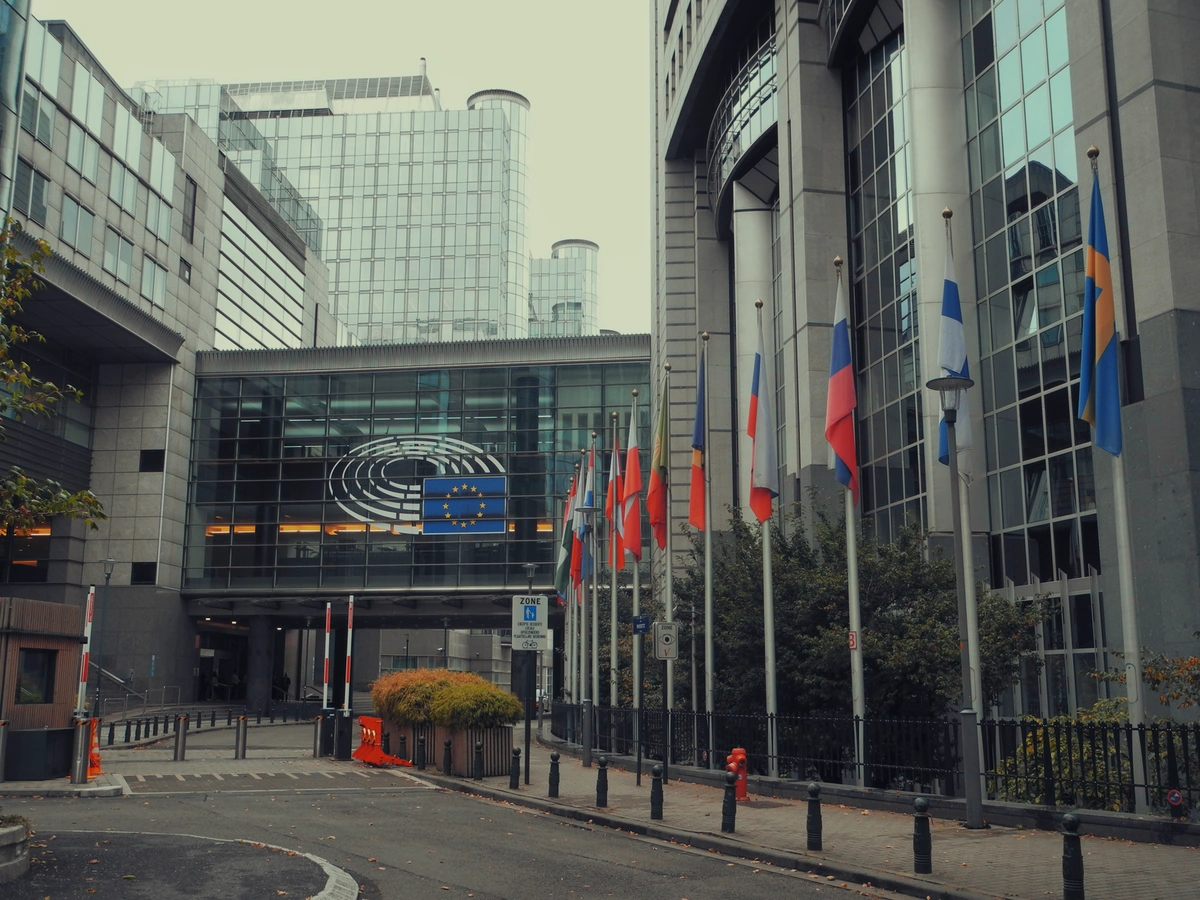
The French presidency described the latest EU budget proposal as deeply disappointing, particularly regarding farmer support. European Council President Antonio Costa circulated the draft for the 2028-2034 period on Saturday.
The French presidency has described the latest negotiating proposal for the European Union's next long-term budget as "deeply disappointing," stating that it does not provide a sufficient basis for an agreement among member states.
In a statement released on Saturday, the presidency of France, which currently holds the rotating presidency of the EU, criticised the draft circulated by European Council President Antonio Costa. The statement noted that the proposal falls well short of requirements, particularly concerning the Common Agricultural Policy (CAP), which is the EU's primary mechanism for supporting the agricultural sector.
The French government specifically highlighted the inadequacy of the proposal in guaranteeing income support for farmers. According to the statement, the current draft fails to address the economic pressures facing the agricultural community, a sector that has been a source of significant political tension within the bloc in recent years.
European Council President Antonio Costa circulated the new proposal to the 27 member states on Saturday. The document outlines the financial framework for the EU's policies for the period from 2028 to 2034. The budget is the primary financial instrument through which the EU funds its various initiatives, ranging from agricultural subsidies to research, development, and industrial competitiveness.
The EU budget is a complex and often contentious negotiation. It determines how the bloc allocates funds to support its citizens and industries, including efforts to compete with major global economies such as China and the United States in technology and manufacturing sectors. The 2028-2034 period is particularly significant as it will define the EU's strategic priorities in a shifting geopolitical landscape.
The French criticism arrives at a critical juncture in the budget negotiations. Member states have differing priorities, with some advocating for increased spending on defence and digital infrastructure, while others, including France, insist on maintaining robust support for agriculture. The Common Agricultural Policy has historically been a cornerstone of EU cohesion, providing direct payments to farmers to stabilise their incomes and ensure food security.
The statement from the French presidency emphasised that the proposal, as it stands, is not a viable foundation for consensus. This suggests that further negotiations and potential revisions to the draft will be necessary before member states can reach a final agreement. The EU's legislative process requires a high degree of consensus, particularly on matters of long-term financial planning.
The reaction in Paris underscores the importance of the agricultural sector to the French economy and political narrative. France is one of the EU's largest agricultural producers, and its farmers have been vocal in their demands for fairer market conditions and adequate financial support. The French government has consistently argued that the EU must protect its agricultural base against external competition and internal market distortions.
The proposal from President Costa is expected to undergo further scrutiny by the European Commission and the European Parliament, as well as by the member state governments. The next steps in the process will likely involve detailed discussions on specific budget lines, with a focus on areas of disagreement such as agriculture, cohesion funds, and defence spending.
The EU's budget negotiations are often protracted, involving multiple rounds of talks between the European Council, the European Parliament, and the European Commission. The 2028-2034 budget will be the first to be fully implemented under the current geopolitical and economic conditions, making its structure and priorities a matter of significant strategic importance for the bloc.
The French presidency's statement does not specify alternative figures or detailed policy changes, but it sets a firm tone for the upcoming negotiations. By labelling the proposal "deeply disappointing," France is signalling its intention to push for a more favourable outcome for its agricultural sector and other key economic interests.
The EU's 27 member states must agree on the overall budget ceiling and the allocation of funds across different policy areas. The Common Agricultural Policy typically accounts for a significant portion of the EU's expenditure, although its share has gradually decreased in recent years as the bloc has expanded and new priorities have emerged.
The criticism from France is likely to influence the negotiating dynamics in Brussels. Other member states that rely heavily on agricultural subsidies may align with France's position, while others may advocate for a more balanced approach that includes increased spending on innovation and security.
The European Council President's role is to facilitate agreement among member states, and the circulation of the new proposal marks a key step in that process. The next phase will involve intensive consultations to bridge the gaps between different national positions and to craft a budget that can secure the necessary approvals.
The outcome of these negotiations will have far-reaching implications for the EU's economic policy and its ability to project influence on the global stage. The budget will shape the bloc's response to challenges such as climate change, digital transformation, and geopolitical competition, making it a central issue in European politics for the coming years.
You may like
UN AI weapons talks collapse in Geneva over Russian objections
November 21, 2026

President and Prime Minister mark Armed Forces Day in Dhaka
November 21, 2026
France calls EU budget proposal deeply disappointing
November 21, 2026

Bangladesh PM Tarique Rahman issues message for 13th National SME Fair
November 21, 2026
Elected News
-
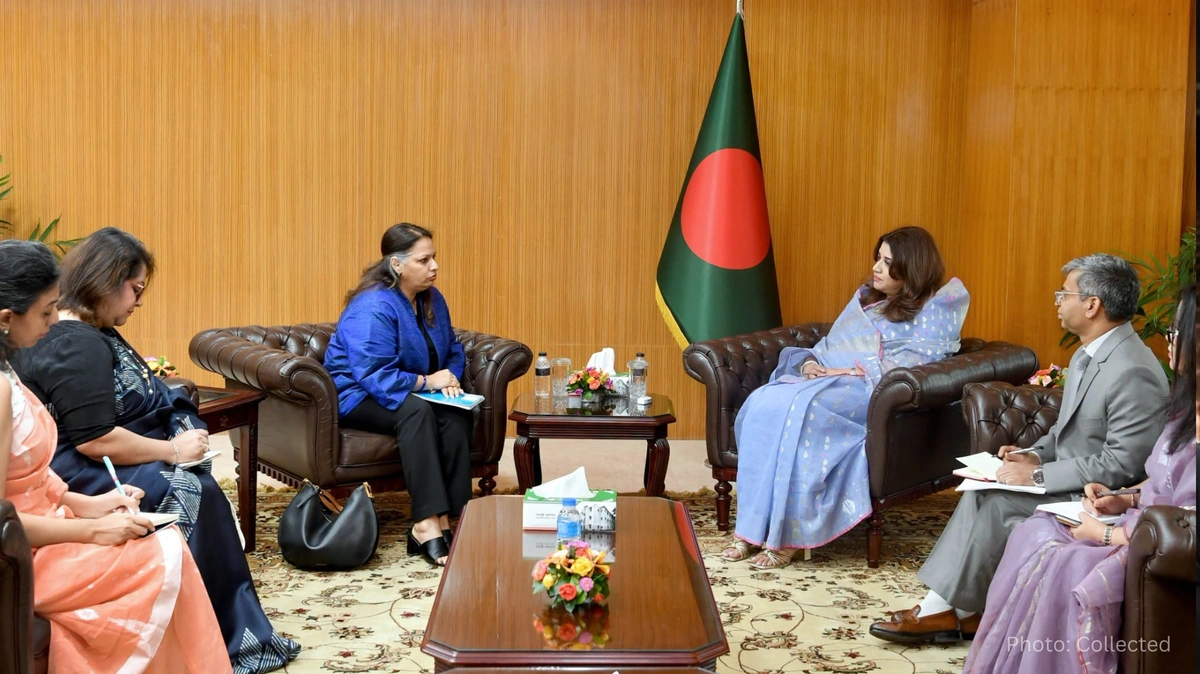
Bangladesh Seeks UN Women Support on Digital Harassment and Women’s Empowerment
-

Bangladesh, Australia Discuss Human Trafficking, Irregular Migration and Rohingya Crisis
-

Bangladesh Plans Internet-Free Access to Mobile Banking and Financial Apps
-

DU to Open Undergraduate Admission Applications on 11 November, Tests Begin 5 December


