From Greenland to Ukraine, Trump’s Centralized Diplomacy Jolts US Allies
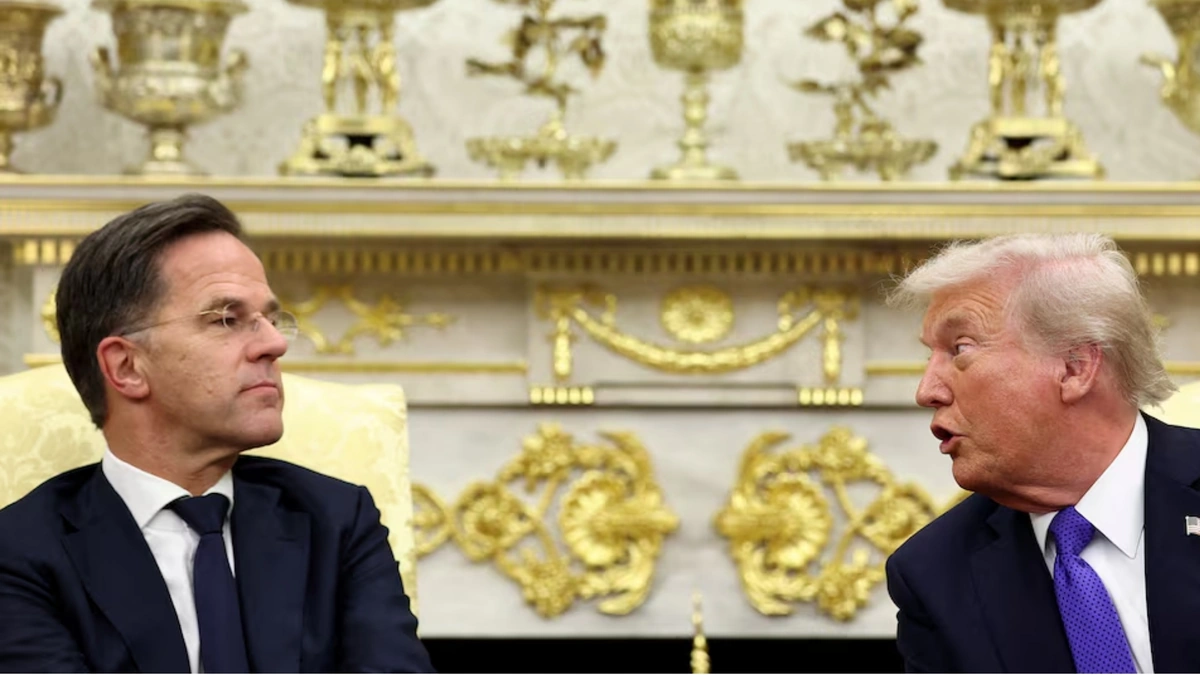
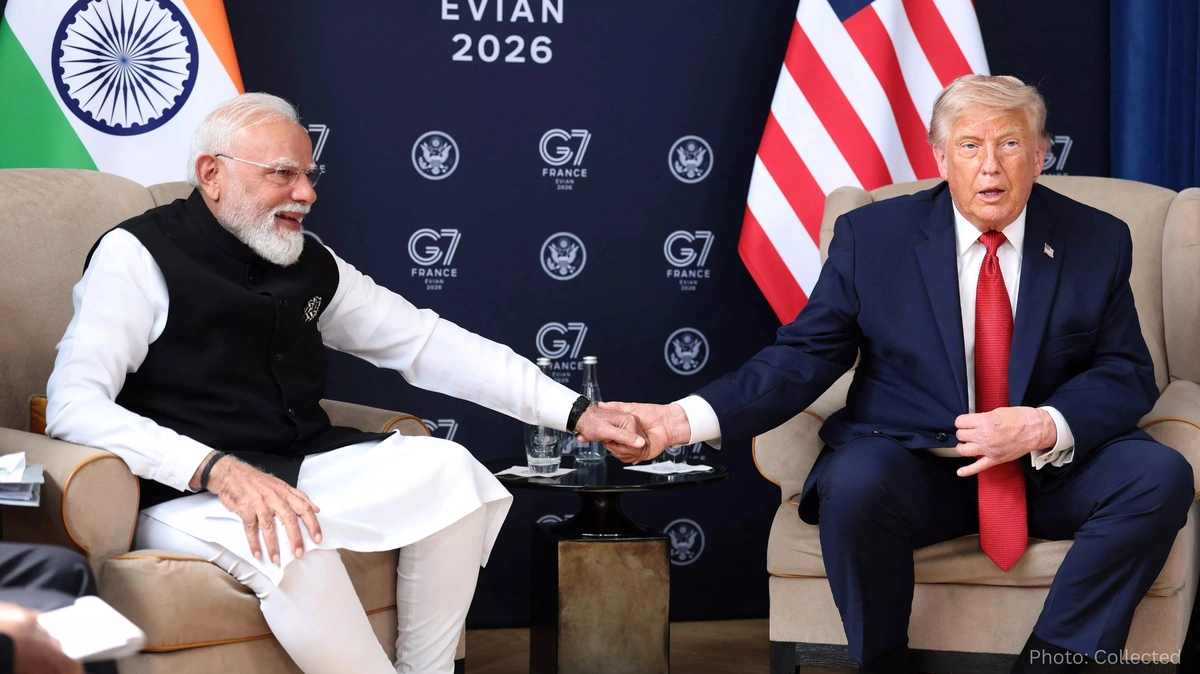
Allies say US foreign policy under President Donald Trump is being shaped by a narrow inner circle, sidelining diplomats and creating sudden reversals. Moves on Greenland, tariffs and security have left European partners scrambling to adjust.
When officials from the United States, Denmark and Greenland met last month in Greenland’s capital, the discussions were routine and reassuring, according to multiple sources familiar with the talks. There was no mention of a US military or financial takeover of the Danish territory, and the meeting followed established diplomatic norms.
Less than two weeks later, the situation changed abruptly. Donald Trump announced the appointment of a special envoy to Greenland, Jeff Landry, who posted on social media that he would help “make Greenland part of the U.S.” The statement shocked Danish officials, alarmed Greenlandic authorities, and blindsided senior US officials working on European and NATO affairs, sources said.
The episode reflected a broader pattern in Trump’s foreign policymaking, which has often bypassed traditional diplomatic and national security channels. Unlike previous US administrations, where policy was shaped through extensive coordination with diplomats and security experts, Trump’s decisions have frequently emerged from a small circle of trusted aides.
Recent moves - including implied threats to seize Greenland, proposals for new tariffs on US allies, and efforts to pressure Denmark -appeared to be driven primarily by Trump himself and a handful of close advisers. According to Reuters, those involved included Commerce Secretary Howard Lutnick, who floated the idea of tariffs, as well as Vice President JD Vance and Secretary of State Marco Rubio, who sought to dissuade Trump from considering military action.
Allies say the resulting policy swings - from Greenland to Ukraine -have created diplomatic whiplash, complicating coordination within NATO and straining long-standing transatlantic relationships.
Less than two weeks later, the situation changed abruptly. Donald Trump announced the appointment of a special envoy to Greenland, Jeff Landry, who posted on social media that he would help “make Greenland part of the U.S.” The statement shocked Danish officials, alarmed Greenlandic authorities, and blindsided senior US officials working on European and NATO affairs, sources said.
The episode reflected a broader pattern in Trump’s foreign policymaking, which has often bypassed traditional diplomatic and national security channels. Unlike previous US administrations, where policy was shaped through extensive coordination with diplomats and security experts, Trump’s decisions have frequently emerged from a small circle of trusted aides.
Recent moves - including implied threats to seize Greenland, proposals for new tariffs on US allies, and efforts to pressure Denmark -appeared to be driven primarily by Trump himself and a handful of close advisers. According to Reuters, those involved included Commerce Secretary Howard Lutnick, who floated the idea of tariffs, as well as Vice President JD Vance and Secretary of State Marco Rubio, who sought to dissuade Trump from considering military action.
Allies say the resulting policy swings - from Greenland to Ukraine -have created diplomatic whiplash, complicating coordination within NATO and straining long-standing transatlantic relationships.
Related News

You may like



Tom Holland Says Marvel Has a Plan for the Next Spider-Man
August 1, 2026
Elected News
-
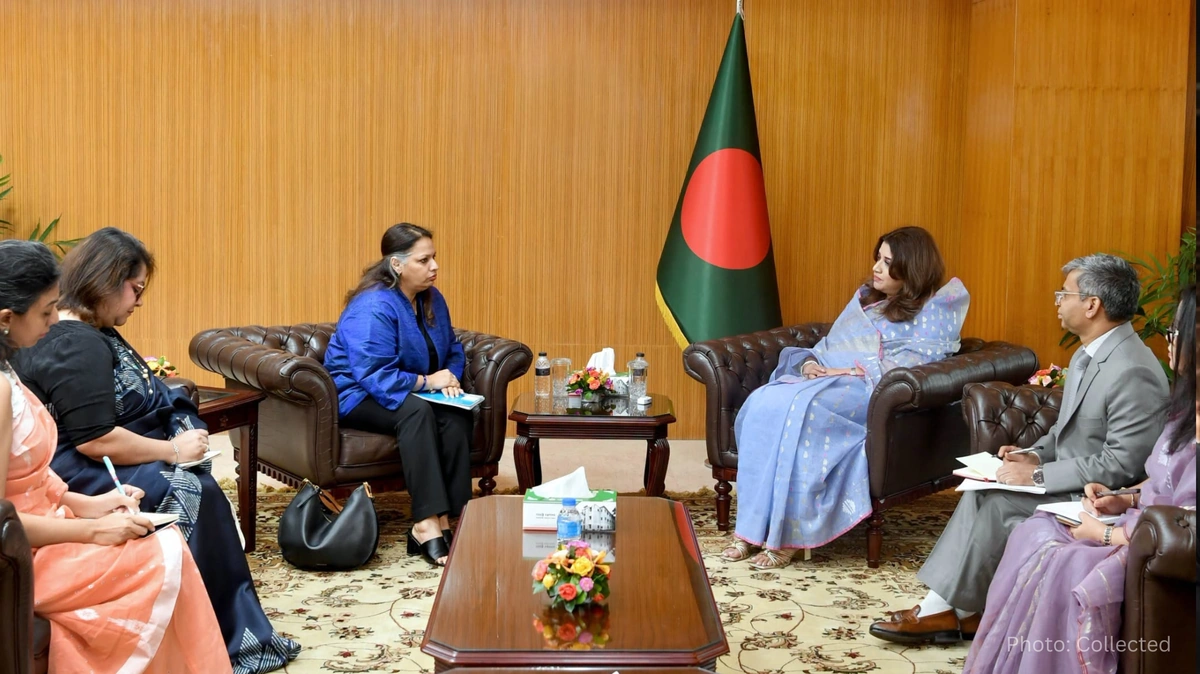
Bangladesh Seeks UN Women Support on Digital Harassment and Women’s Empowerment
-
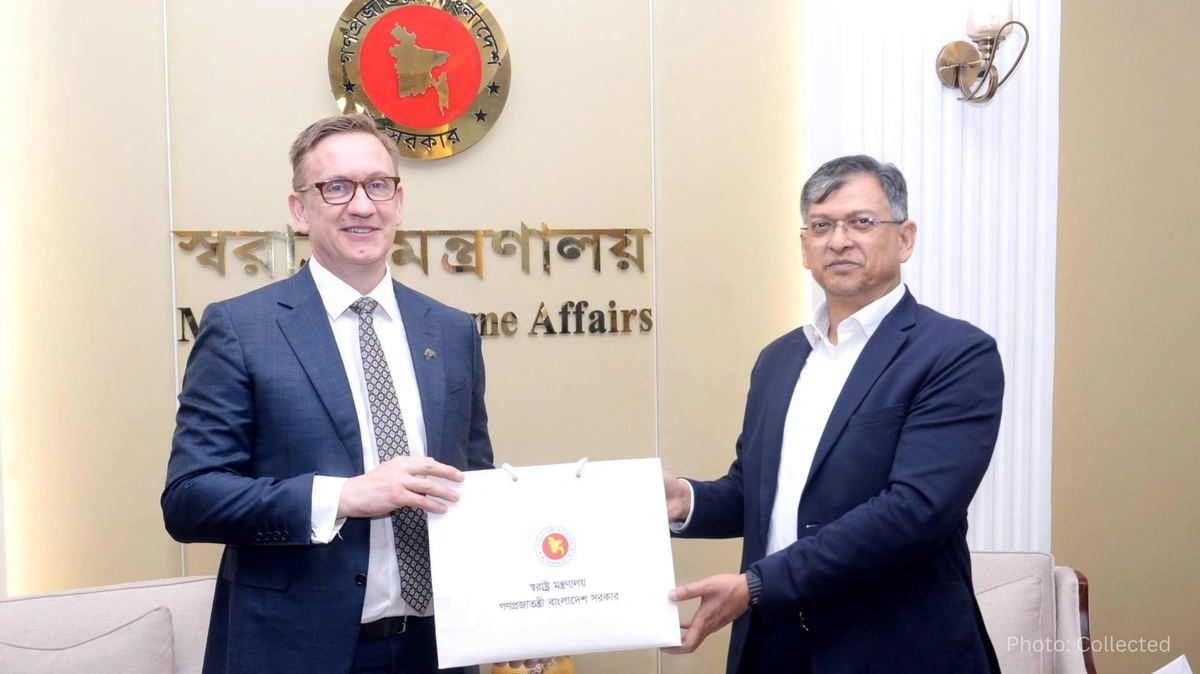
Bangladesh, Australia Discuss Human Trafficking, Irregular Migration and Rohingya Crisis
-

Bangladesh Plans Internet-Free Access to Mobile Banking and Financial Apps
-

DU to Open Undergraduate Admission Applications on 11 November, Tests Begin 5 December


